
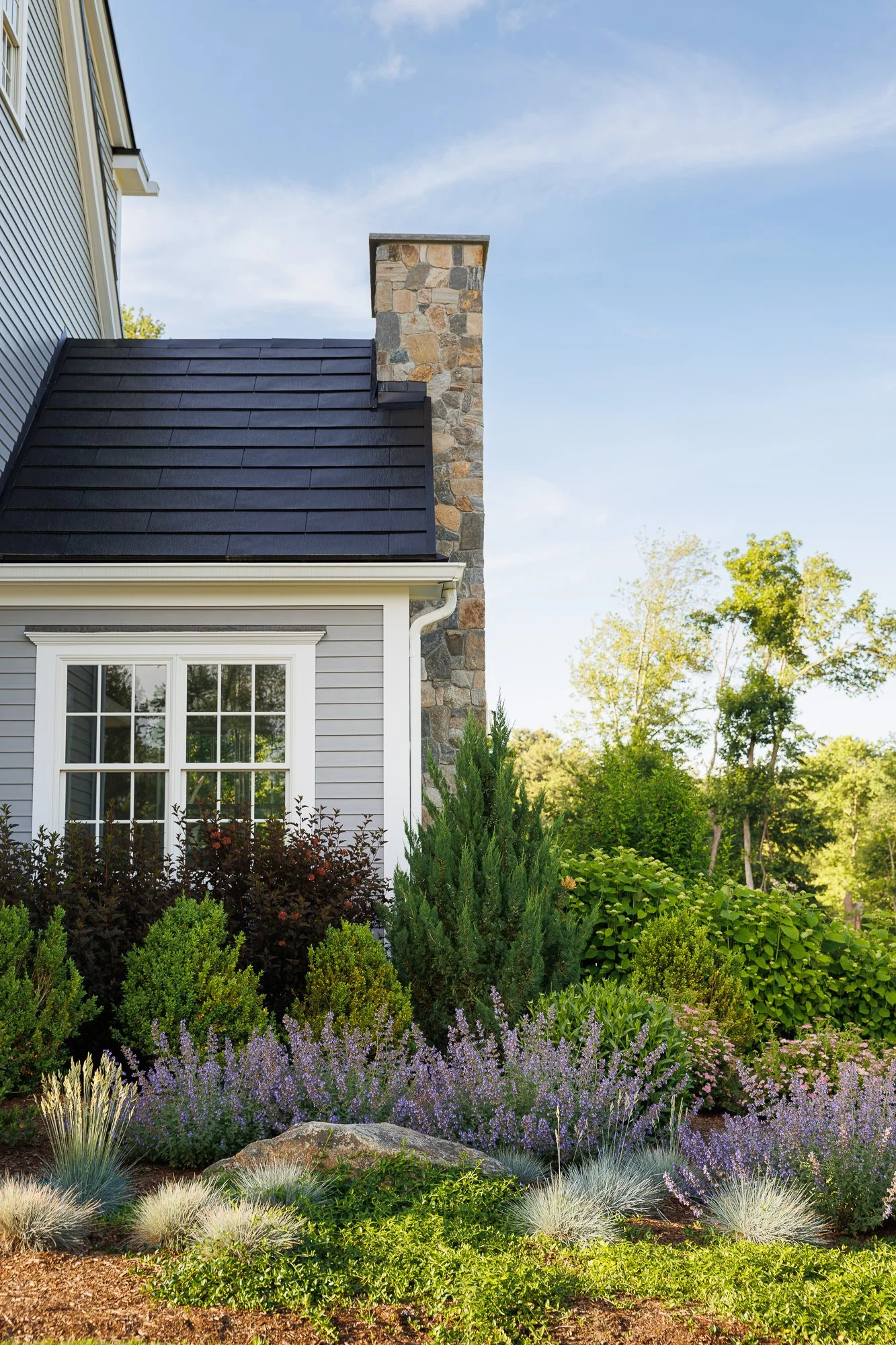
Designing With Depth: How Layering Creates a More Beautiful Landscape
Discover how landscape layering brings depth, seasonal color, texture, and balance to your yard through thoughtfully planned trees, shrubs, perennials, evergreens, and natural garden elements.
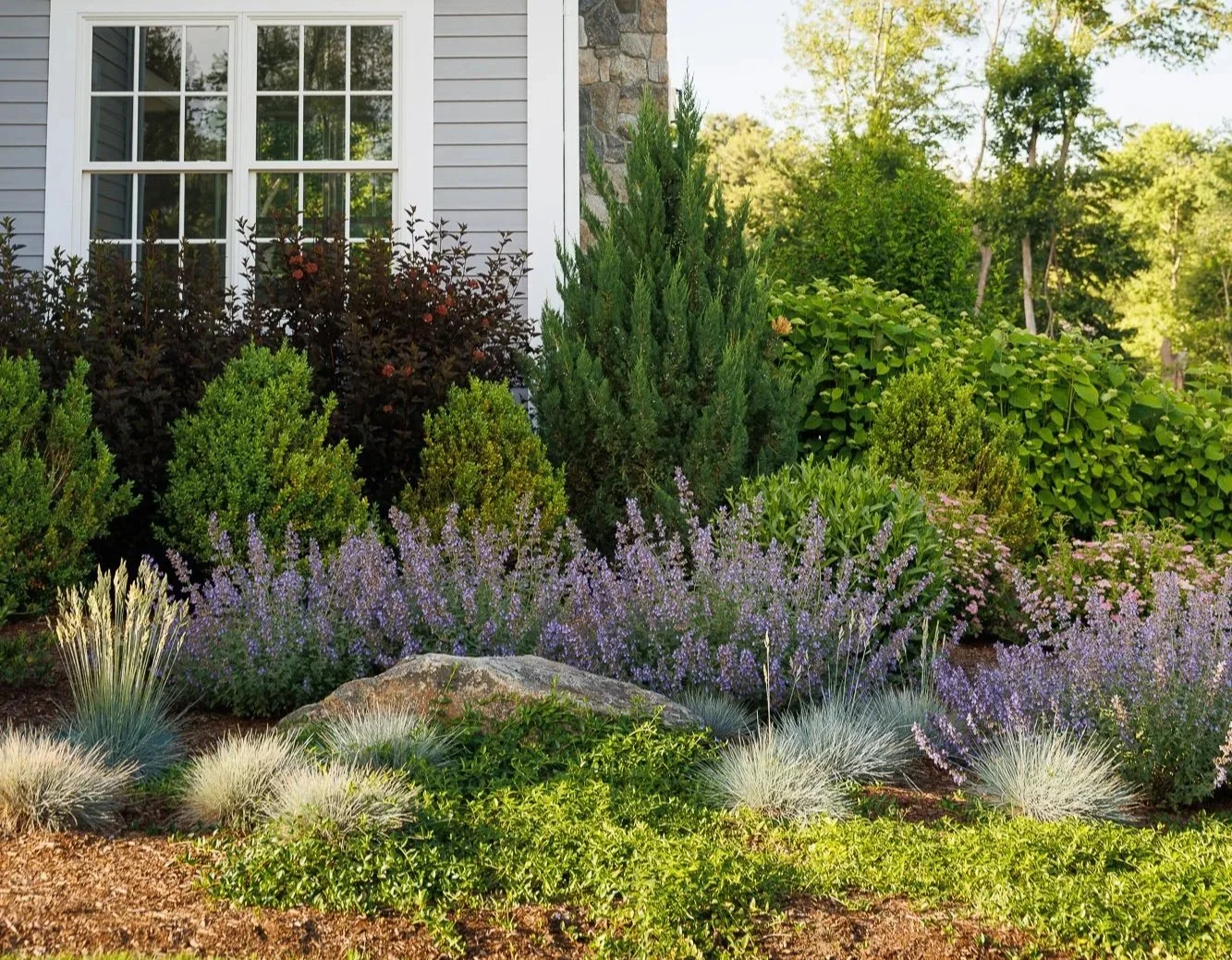
A well-designed garden is rarely made up of plants that are all the same size, shape, or height. The landscapes that feel most natural and visually complete often use landscape layering to create depth, movement, and interest. By arranging trees, shrubs, perennials, and ground-level elements in thoughtful relationships, a yard can feel fuller and more cohesive without appearing crowded.
At Ahronian Landscaping & Design, we use landscape design principles to consider not only which plants belong in a garden, but also how they will relate to one another as they grow. Successful layered plantings help guide the eye through the property, create a sequence of color and texture, and connect the home to the surrounding environment.
Begin With the Largest Landscape Elements
Layering generally begins with the tallest elements in the landscape. Mature trees, woodland edges, and existing evergreens often form the backdrop of the design. From there, smaller ornamental trees and large shrubs can help transition the eye toward medium-height shrubs, perennials, and low-growing plants.
This gradual change in height is especially important when a property borders a wooded area. Instead of moving abruptly from tall peripheral trees to a flat lawn, planting beds can scale the height downward toward the home. The result feels more natural and makes the entire property appear connected.
This approach also benefits homeowners from inside the house. The garden beds closest to the home are often what you see when looking through your windows. Thoughtful landscape layering creates an attractive foreground while preserving views of taller trees and the wider property beyond.
Create Seasonal Color Through Plant Selection
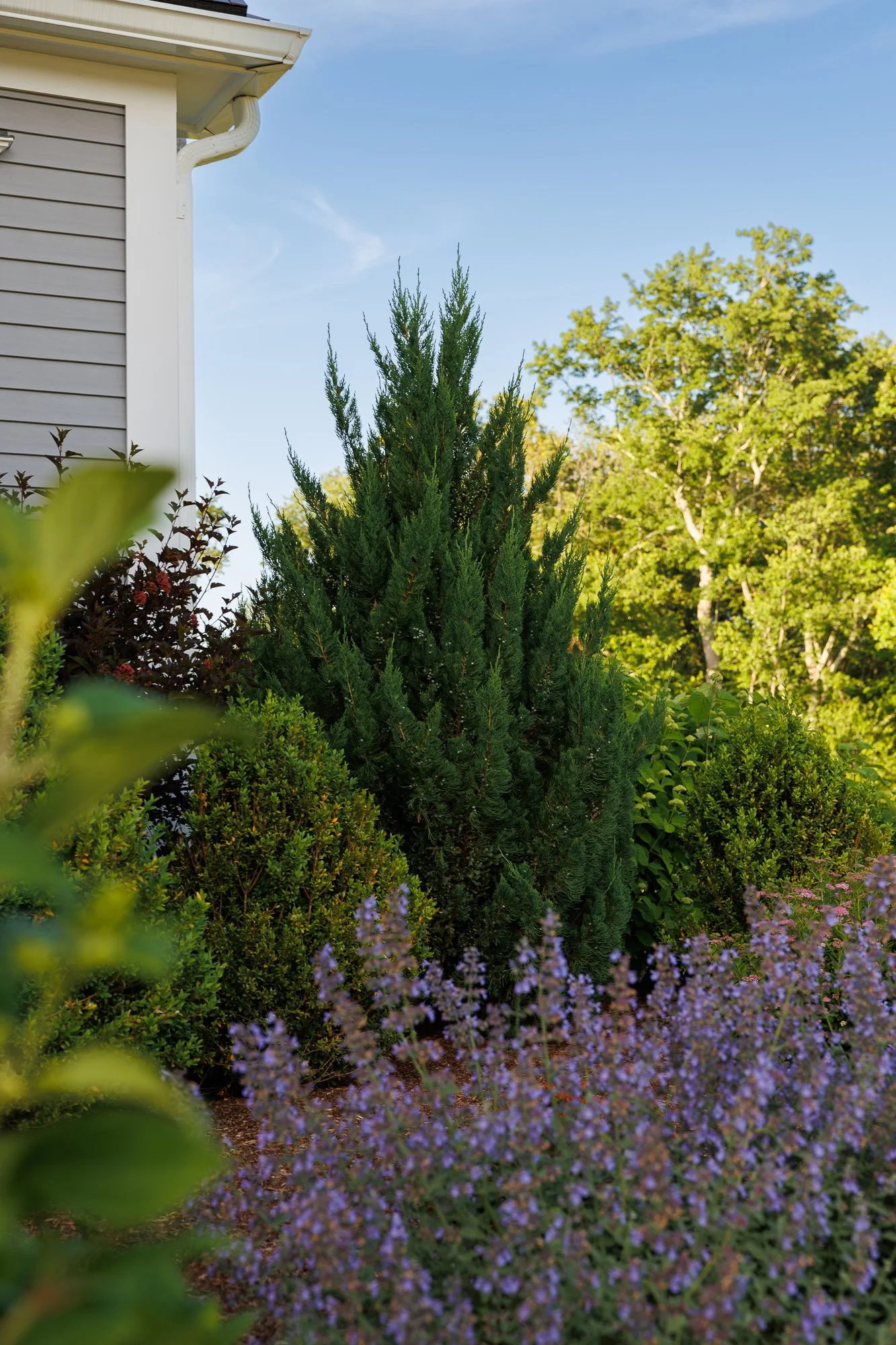
Plants should not all reach their peak at the same moment. A successful planting plan creates a sequence of seasonal color, allowing different plants to take the spotlight throughout the year.
Spring bulbs and flowering shrubs may begin the display, followed by summer perennials and trees with ornamental blooms. Late-blooming perennials, colorful foliage, and ornamental grasses can then carry the garden into fall. By choosing plants with different bloom times, the landscape continues to change rather than peaking for only a few weeks.
Planning for seasonal color also makes established gardens more rewarding. As one bloom fades, another plant begins to flower or reveal a new foliage color. This creates an evolving landscape that offers something different every time you step outside.
Use Texture to Add Visual Interest
Color often receives the most attention in garden planning, but texture can be just as important. Broad leaves, delicate flowers, fine grasses, glossy evergreens, and deeply veined foliage all interact differently with light and movement.
Combining contrasting textures keeps layered plantings from blending into one indistinct mass. A soft ornamental grass may sit beside a dense shrub, while a perennial with bold foliage can provide contrast against smaller leaves. These combinations add detail and character even when fewer plants are in bloom.
Incorporate Evergreens for Winter Structure
Deciduous plants provide flowers and seasonal changes, but evergreens give the garden a dependable framework. Using evergreen trees and shrubs of different heights provides winter interest and ensures the yard retains form after perennials disappear and deciduous plants lose their leaves.
Evergreens can anchor corners, soften foundations, provide screening, and connect planting beds throughout the property. Smaller evergreen shrubs can be repeated within beds, while larger specimens create focal points or transition the landscape toward existing trees.
Finish the Front of the Garden
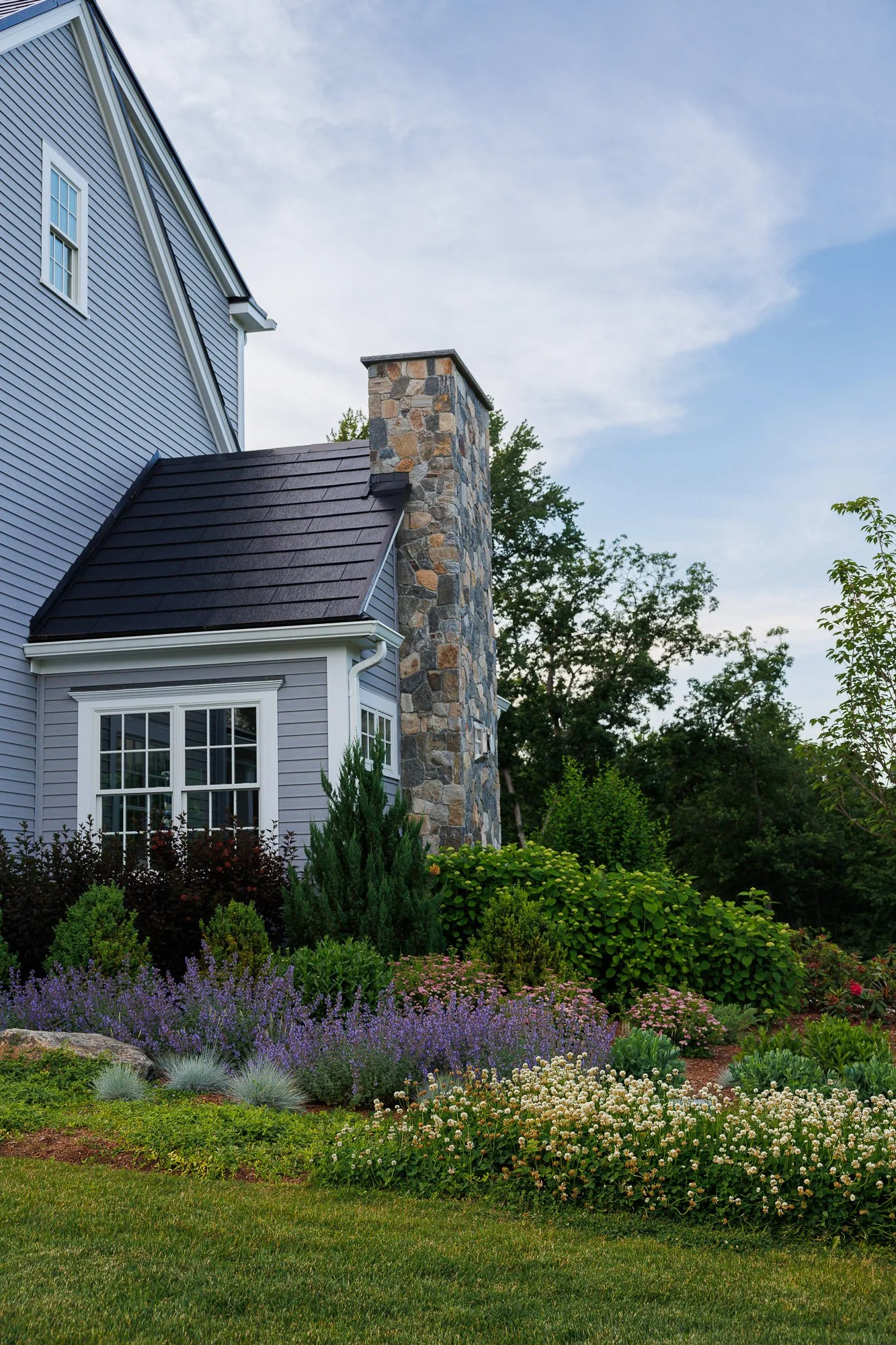
The lowest layer helps soften the edge of a planting bed and creates a finished transition to the lawn, patio, or walkway. Ground covers are especially useful at the front of beds, where they can fill open soil, reduce the visual impact of mulch, and bring texture closer to the viewer.
Low perennials and spreading plants can also help create a gradual progression from taller shrubs to the bed’s edge. Proper spacing remains important so each plant has room to develop without overwhelming nearby features.
Add Natural Elements Beyond Plants
Plants are not the only components used to create layers. Garden stones can break up large planting areas, add natural appeal, and provide visual interest between groups of foliage. Their permanent structure is especially valuable during winter, when many plants are dormant.
Stone can also connect a garden to nearby walls, walkways, patios, or natural woodland areas. When placed carefully, these elements look like an intentional part of the landscape rather than a separate decoration.
Keep the Entire Property in Balance
Every layer must relate to the overall property. Landscape scale considers the height and width of the house, the size of mature trees, the dimensions of planting beds, and the amount of open space around them.
Plants that are too small may look disconnected beside a large home, while oversized shrubs can block windows or overwhelm a narrow bed. Thoughtful landscape design creates balance by selecting plants that are appropriately sized for their surroundings, both at installation and at maturity.
Repetition also helps keep the yard cohesive. Using the same plant, texture, or material in more than one area creates visual connections and allows the landscape to flow naturally from one space to another.
A Landscape Designed to Grow Beautifully
Effective landscape layering is about creating relationships between plants, structures, and views. Trees provide the backdrop, shrubs build depth, perennials bring changing color, and lower elements finish the design. Each layer has a purpose, but together they create a landscape that feels complete.
At Ahronian Landscaping & Design, our landscape design process considers how every plant will grow, change, and contribute to the property over time. Through carefully planned layered plantings, we create gardens that offer lasting structure, seasonal beauty, and a cohesive connection between your home and its surroundings.
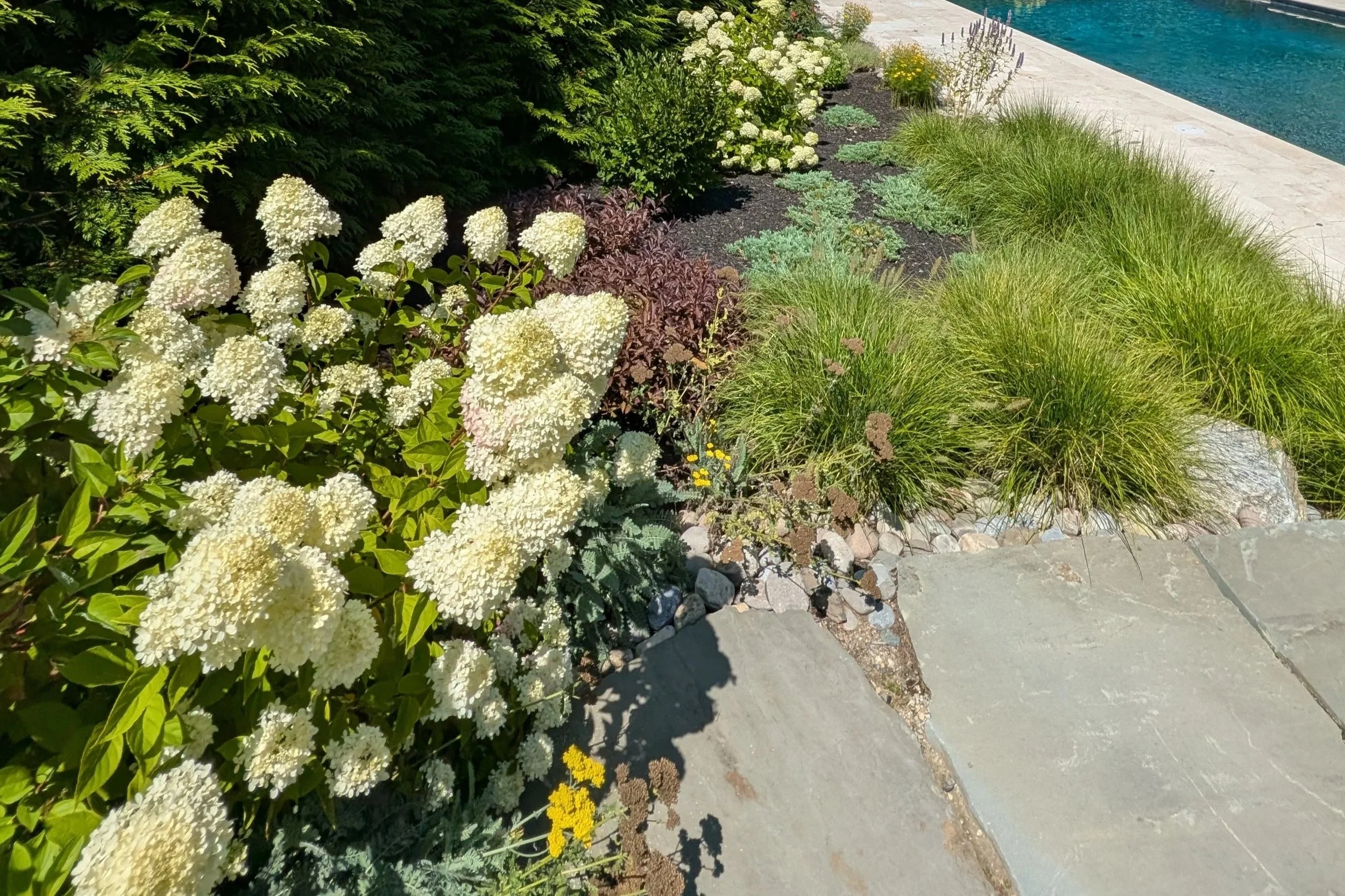
Hydrangeas: The Show-Stopping Favorites of New England Landscapes
Hydrangeas are the stars of New England landscape design. Discover their stunning colors, long bloom time, and how expert garden design and care can help these beloved shrubs thrive all season long.
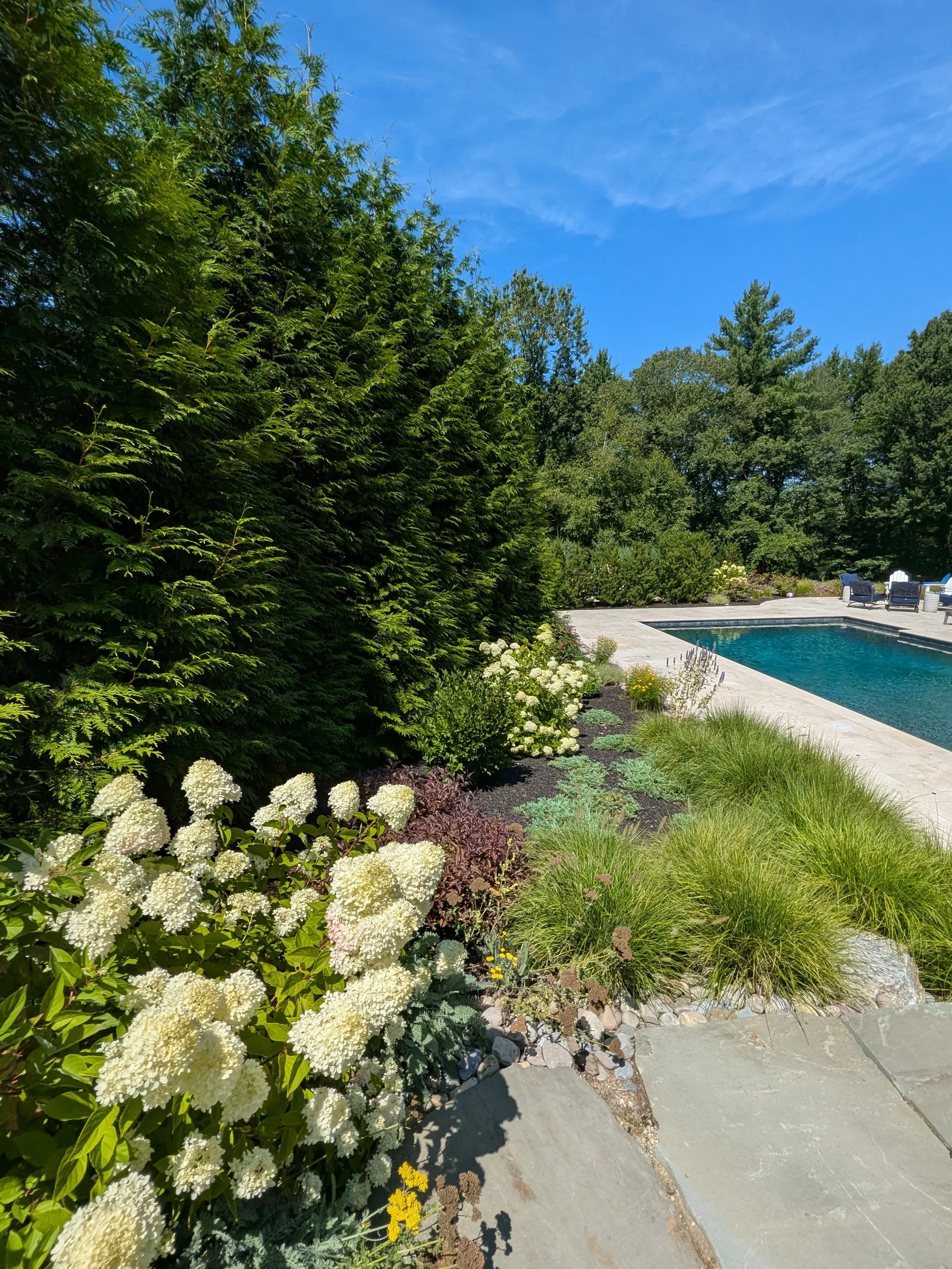
It’s no surprise that hydrangeas top our list of most-planted shrubs each year—this season alone, our team at Ahronian Landscaping & Design installed over 130 of them! Loved for their large, colorful blooms, versatility, and timeless charm, hydrangeas are a staple of classic landscape design. Whether you prefer the elegance of tree-form varieties or the compact beauty of dwarf options, there’s a hydrangea for every yard and every homeowner.
Endless Variety: Size, Shape, and Color
One of the reasons hydrangeas are so beloved is their incredible diversity. They come in an array of sizes, shapes, and hues—each offering something special to the landscape.
A Multitude of Sizes – From small, tidy dwarf varieties perfect for borders or containers to striking tree-form hydrangeas that create stunning focal points, there’s a form for every setting.
A Palette of Colors – Hydrangeas bloom in shades of white, pink, blue, and purple. Some varieties, like the popular Vanilla Strawberry Hydrangea, shift color through the season—from creamy white to soft pink as temperatures change.
Beautiful Bloom Forms – Their showy blossoms come in a range of shapes—round mopheads, delicate lace caps, or elongated conical clusters—each adding texture and drama to the garden.
Long Blooming Season – Hydrangeas are among the longest bloomers in the garden, brightening landscapes from early summer into fall.
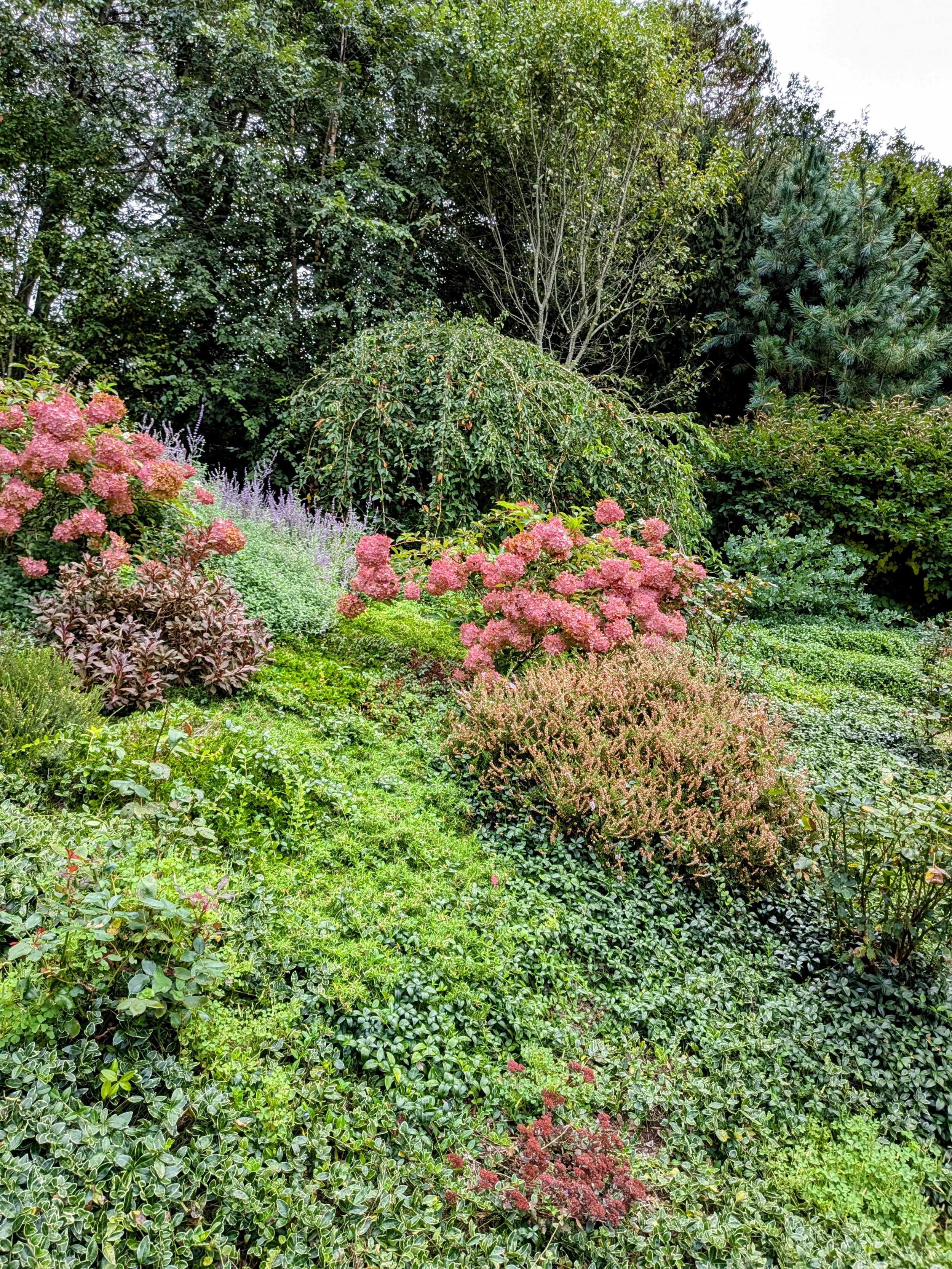
Choosing the Right Hydrangea for Your Landscape
With so many hydrangea varieties, thoughtful garden design is key. Each species has unique growing preferences, from sunlight to moisture levels.
Sun or Shade? – Some hydrangeas thrive in partial shade, while others prefer full sun. Oakleaf hydrangeas, for example, can handle more shade and are easily recognized by their lobed leaves that resemble those of an oak tree.
Plan for Size – Picking the right plant for the right place prevents overgrowth, especially near foundations or walkways. Dwarf varieties like Bobo or Let’s Dance are perfect for smaller spaces, while larger types fill out mixed borders beautifully.
Design Versatility – Hydrangeas look stunning just about anywhere—along the foundation of a home, near a pool area, or in layered garden beds. They’re equally eye-catching when planted in rows or as standalone accents.
Care and Maintenance Tips
Hydrangeas are deciduous shrubs, meaning they lose their leaves in winter, but with the right care, they’ll return each year even more vibrant. Here are a few essentials for success:
Pruning Matters – Each hydrangea species has different pruning needs, depending on whether it blooms on old wood, new wood, or both. Having a professional who can identify your hydrangea type ensures it’s pruned at the right time and in the right way.
Deer Awareness – Deer love hydrangeas, so if your property isn’t fenced or you live in an area with high deer pressure, it’s important to apply repellent regularly to protect your investment.
Soil and pH – Soil acidity can affect bloom color. In some species, more acidic soils produce blue flowers, while alkaline soils bring out pink and purple tones. A soil test can help you achieve the shades you love.
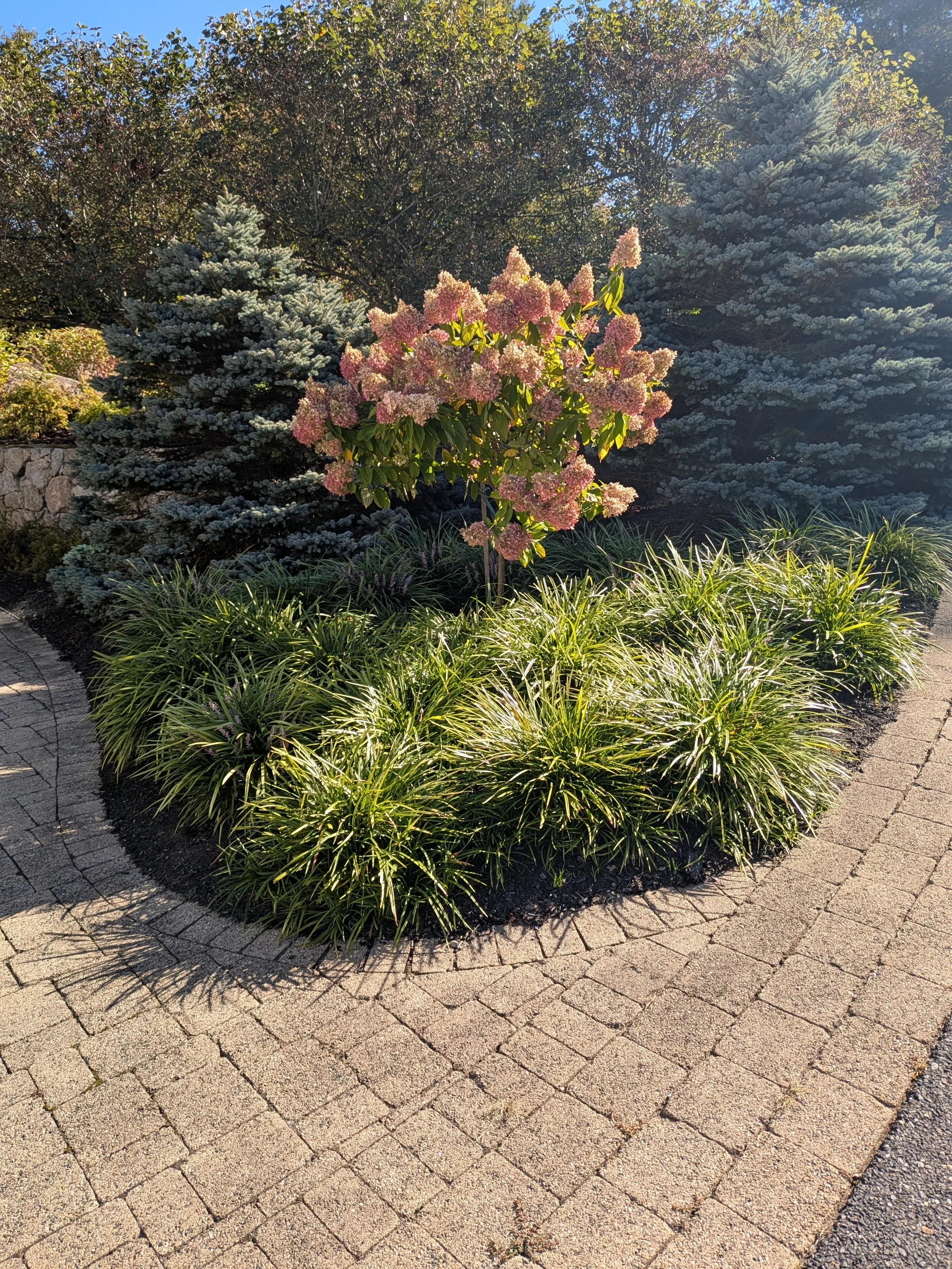
Tree-Form Hydrangeas: Standing Tall in Winter
We’ve fallen especially in love with the tree-form hydrangeas we’ve been planting this year. Their sculptural shape and large, cloud-like flowers bring vertical interest and elegance to any landscape design. Even as their leaves drop in late fall, their dried blooms and strong branching structure continue to add winter interest, especially when accented by snow or subtle lighting.
The Perfect Plant for Every Season
Hydrangeas embody everything we love about seasonal landscaping—beauty, resilience, and variety. With proper care and placement, they’ll reward you year after year with reliable color and structure. Whether you’re looking to add a single statement shrub or redesign an entire garden bed, hydrangeas offer endless design potential.
At Ahronian Landscaping & Design, we specialize in helping homeowners choose the perfect plants for their property. From compact hydrangeas that brighten small spaces to graceful tree-form specimens that anchor a landscape, we’ll make sure your garden blooms beautifully for years to come.