
Designing With Depth: How Layering Creates a More Beautiful Landscape
Discover how landscape layering brings depth, seasonal color, texture, and balance to your yard through thoughtfully planned trees, shrubs, perennials, evergreens, and natural garden elements.
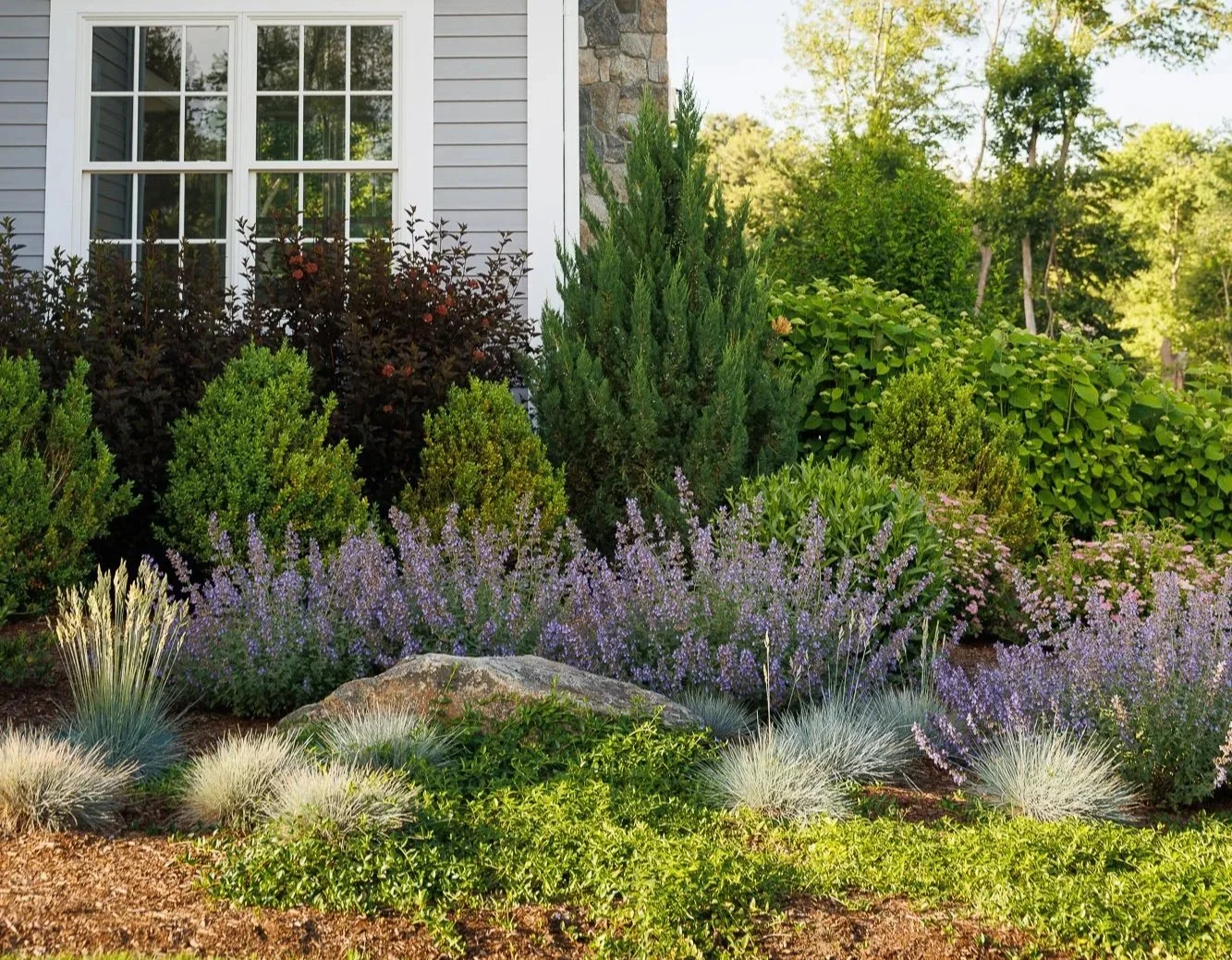
A well-designed garden is rarely made up of plants that are all the same size, shape, or height. The landscapes that feel most natural and visually complete often use landscape layering to create depth, movement, and interest. By arranging trees, shrubs, perennials, and ground-level elements in thoughtful relationships, a yard can feel fuller and more cohesive without appearing crowded.
At Ahronian Landscaping & Design, we use landscape design principles to consider not only which plants belong in a garden, but also how they will relate to one another as they grow. Successful layered plantings help guide the eye through the property, create a sequence of color and texture, and connect the home to the surrounding environment.
Begin With the Largest Landscape Elements
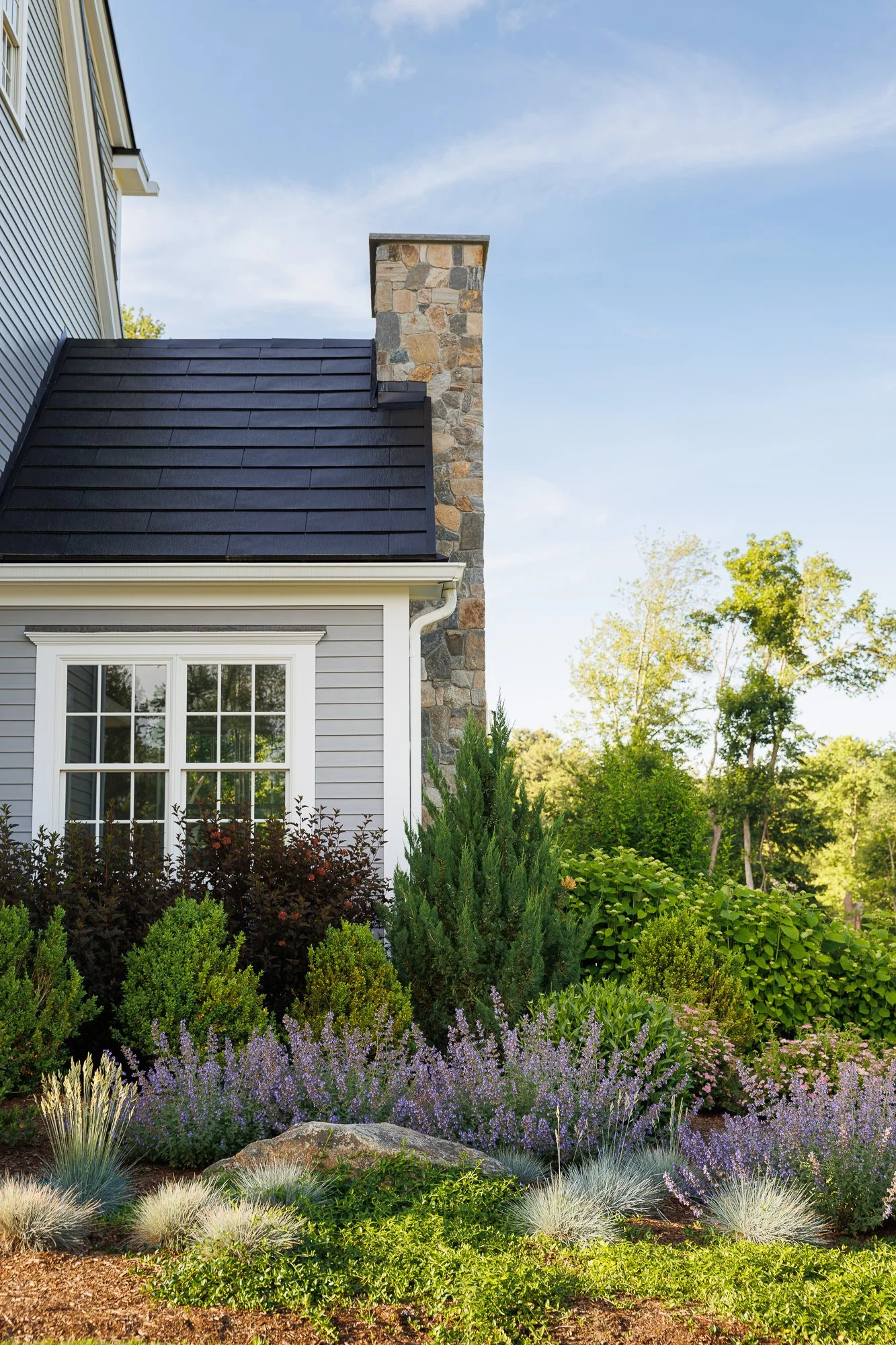
Layering generally begins with the tallest elements in the landscape. Mature trees, woodland edges, and existing evergreens often form the backdrop of the design. From there, smaller ornamental trees and large shrubs can help transition the eye toward medium-height shrubs, perennials, and low-growing plants.
This gradual change in height is especially important when a property borders a wooded area. Instead of moving abruptly from tall peripheral trees to a flat lawn, planting beds can scale the height downward toward the home. The result feels more natural and makes the entire property appear connected.
This approach also benefits homeowners from inside the house. The garden beds closest to the home are often what you see when looking through your windows. Thoughtful landscape layering creates an attractive foreground while preserving views of taller trees and the wider property beyond.
Create Seasonal Color Through Plant Selection
Plants should not all reach their peak at the same moment. A successful planting plan creates a sequence of seasonal color, allowing different plants to take the spotlight throughout the year.
Spring bulbs and flowering shrubs may begin the display, followed by summer perennials and trees with ornamental blooms. Late-blooming perennials, colorful foliage, and ornamental grasses can then carry the garden into fall. By choosing plants with different bloom times, the landscape continues to change rather than peaking for only a few weeks.
Planning for seasonal color also makes established gardens more rewarding. As one bloom fades, another plant begins to flower or reveal a new foliage color. This creates an evolving landscape that offers something different every time you step outside.
Use Texture to Add Visual Interest
Color often receives the most attention in garden planning, but texture can be just as important. Broad leaves, delicate flowers, fine grasses, glossy evergreens, and deeply veined foliage all interact differently with light and movement.
Combining contrasting textures keeps layered plantings from blending into one indistinct mass. A soft ornamental grass may sit beside a dense shrub, while a perennial with bold foliage can provide contrast against smaller leaves. These combinations add detail and character even when fewer plants are in bloom.
Incorporate Evergreens for Winter Structure
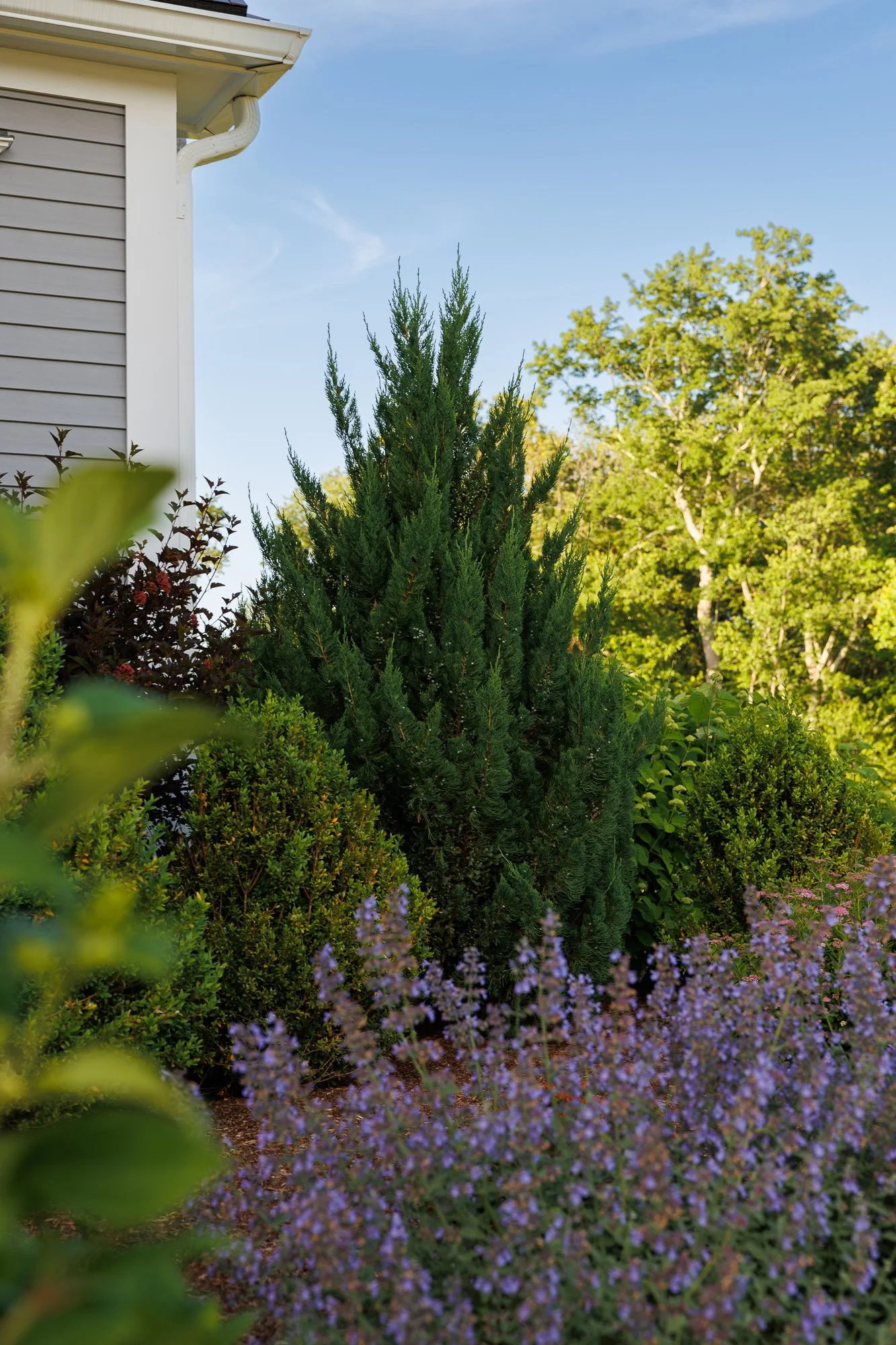
Deciduous plants provide flowers and seasonal changes, but evergreens give the garden a dependable framework. Using evergreen trees and shrubs of different heights provides winter interest and ensures the yard retains form after perennials disappear and deciduous plants lose their leaves.
Evergreens can anchor corners, soften foundations, provide screening, and connect planting beds throughout the property. Smaller evergreen shrubs can be repeated within beds, while larger specimens create focal points or transition the landscape toward existing trees.
Finish the Front of the Garden
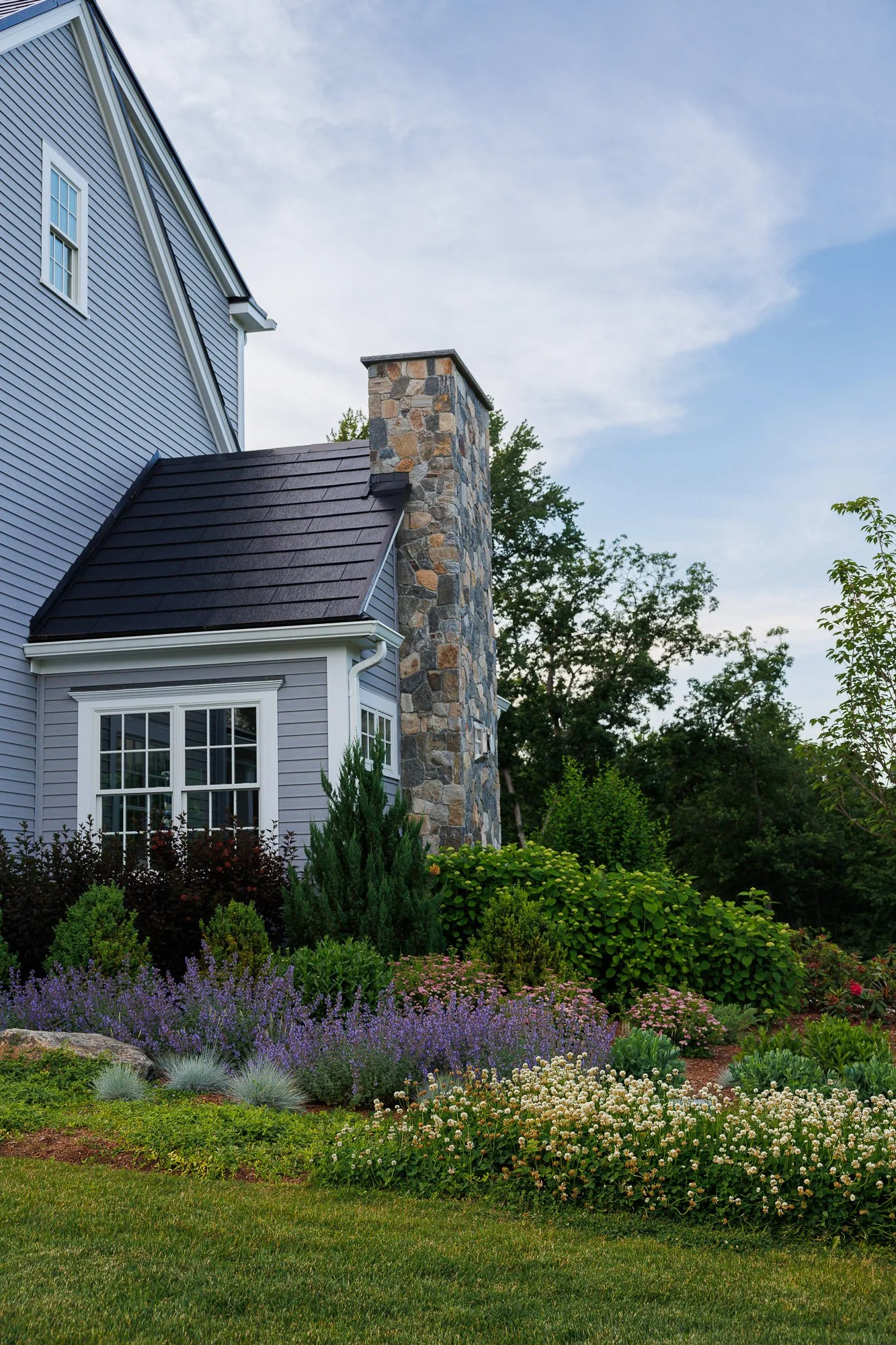
The lowest layer helps soften the edge of a planting bed and creates a finished transition to the lawn, patio, or walkway. Ground covers are especially useful at the front of beds, where they can fill open soil, reduce the visual impact of mulch, and bring texture closer to the viewer.
Low perennials and spreading plants can also help create a gradual progression from taller shrubs to the bed’s edge. Proper spacing remains important so each plant has room to develop without overwhelming nearby features.
Add Natural Elements Beyond Plants
Plants are not the only components used to create layers. Garden stones can break up large planting areas, add natural appeal, and provide visual interest between groups of foliage. Their permanent structure is especially valuable during winter, when many plants are dormant.
Stone can also connect a garden to nearby walls, walkways, patios, or natural woodland areas. When placed carefully, these elements look like an intentional part of the landscape rather than a separate decoration.
Keep the Entire Property in Balance
Every layer must relate to the overall property. Landscape scale considers the height and width of the house, the size of mature trees, the dimensions of planting beds, and the amount of open space around them.
Plants that are too small may look disconnected beside a large home, while oversized shrubs can block windows or overwhelm a narrow bed. Thoughtful landscape design creates balance by selecting plants that are appropriately sized for their surroundings, both at installation and at maturity.
Repetition also helps keep the yard cohesive. Using the same plant, texture, or material in more than one area creates visual connections and allows the landscape to flow naturally from one space to another.
A Landscape Designed to Grow Beautifully
Effective landscape layering is about creating relationships between plants, structures, and views. Trees provide the backdrop, shrubs build depth, perennials bring changing color, and lower elements finish the design. Each layer has a purpose, but together they create a landscape that feels complete.
At Ahronian Landscaping & Design, our landscape design process considers how every plant will grow, change, and contribute to the property over time. Through carefully planned layered plantings, we create gardens that offer lasting structure, seasonal beauty, and a cohesive connection between your home and its surroundings.