From Vision to Reality: Full-Service Landscaping That Transforms Your Outdoor Living
Discover full-service landscaping services from design to maintenance. Learn how expert landscape design and outdoor living solutions transform your yard into a functional, beautiful space.
As the weather warms and homeowners begin spending more time outside, May is when landscapes truly come into focus. It’s also when many people start asking an important question: What can my yard become?
The answer lies in working with a team that can bring that vision to life from start to finish. At Ahronian Landscaping & Design, we are a full-service, custom landscape design-and-build company—meaning every aspect of your outdoor space is thoughtfully planned, expertly constructed, and carefully maintained.
What Does Full-Service Landscaping Mean?
Full-service landscaping goes beyond a single project or seasonal task. It’s a comprehensive approach that considers your property as a whole—from the first design sketch to long-term care.
With the right team, your landscape becomes a cohesive environment where every element works together: patios connect to plantings, trees provide structure and shade, and maintenance keeps everything performing at its best.
Custom Landscape Design & Build
Every project begins with a vision. Our landscape design process is tailored to your property, your lifestyle, and how you want to use your outdoor space.
Personalized design plans based on your goals
Thoughtful layouts that balance beauty and function
Seamless transition from design to construction
Because our team handles both design and build, the process is efficient, collaborative, and aligned from start to finish.
Outdoor Living & Hardscaping
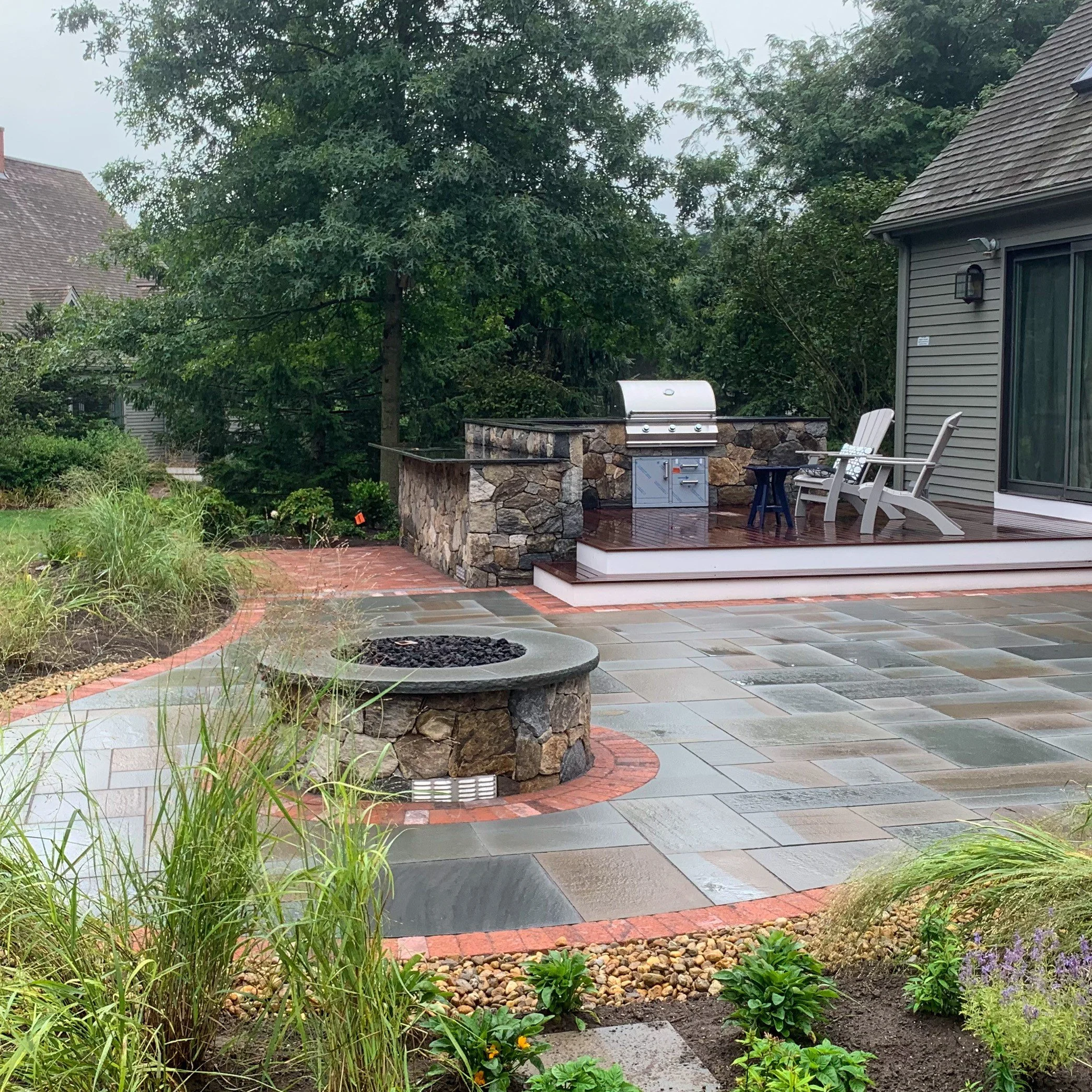
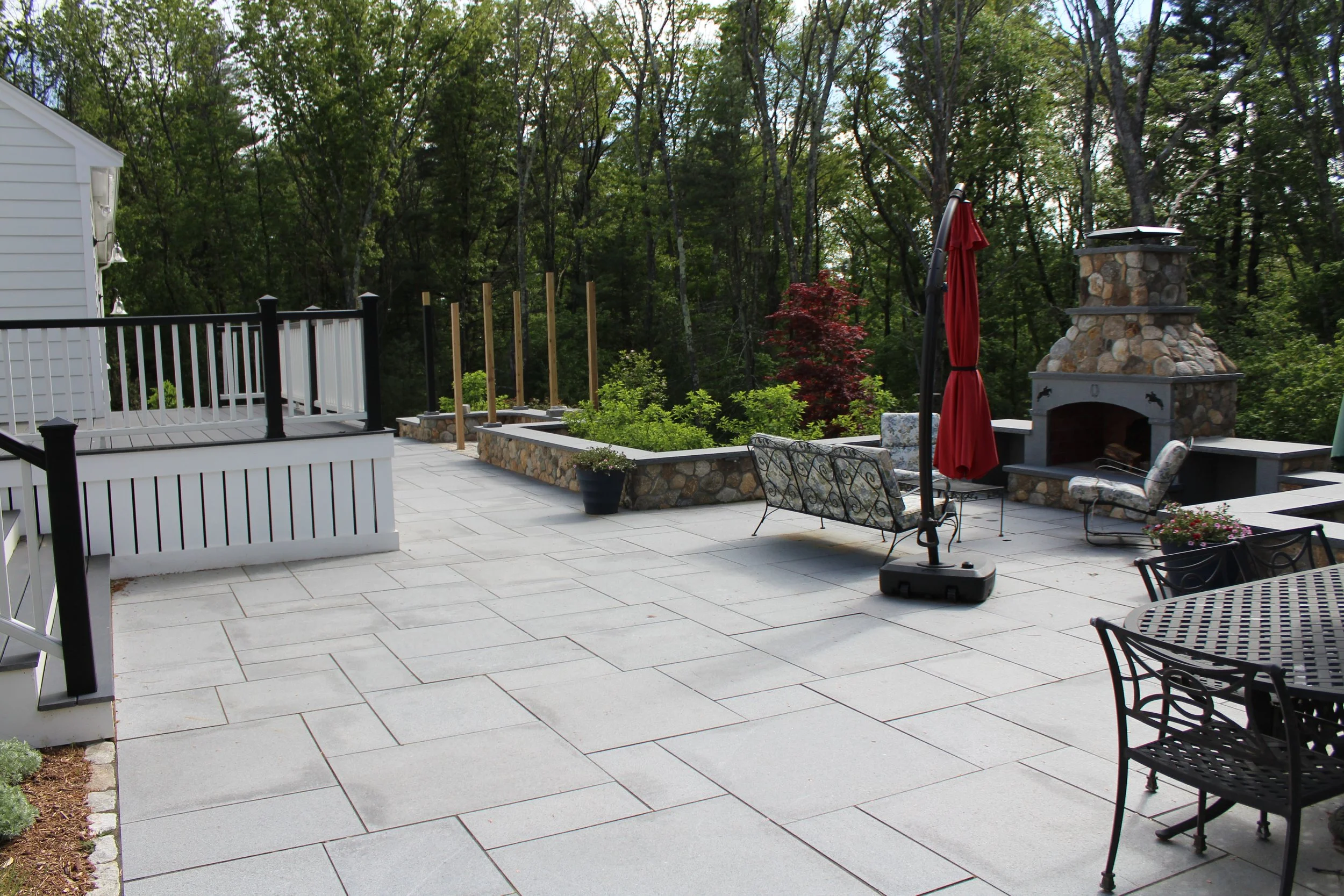
Hardscape elements form the foundation of outdoor living based on your lifestyle needs and wants. These features define how you move through and use your space and highlight how your outdoor space can be used in a more functional way.
Custom patios, walkways, and driveways
Retaining walls and stone steps
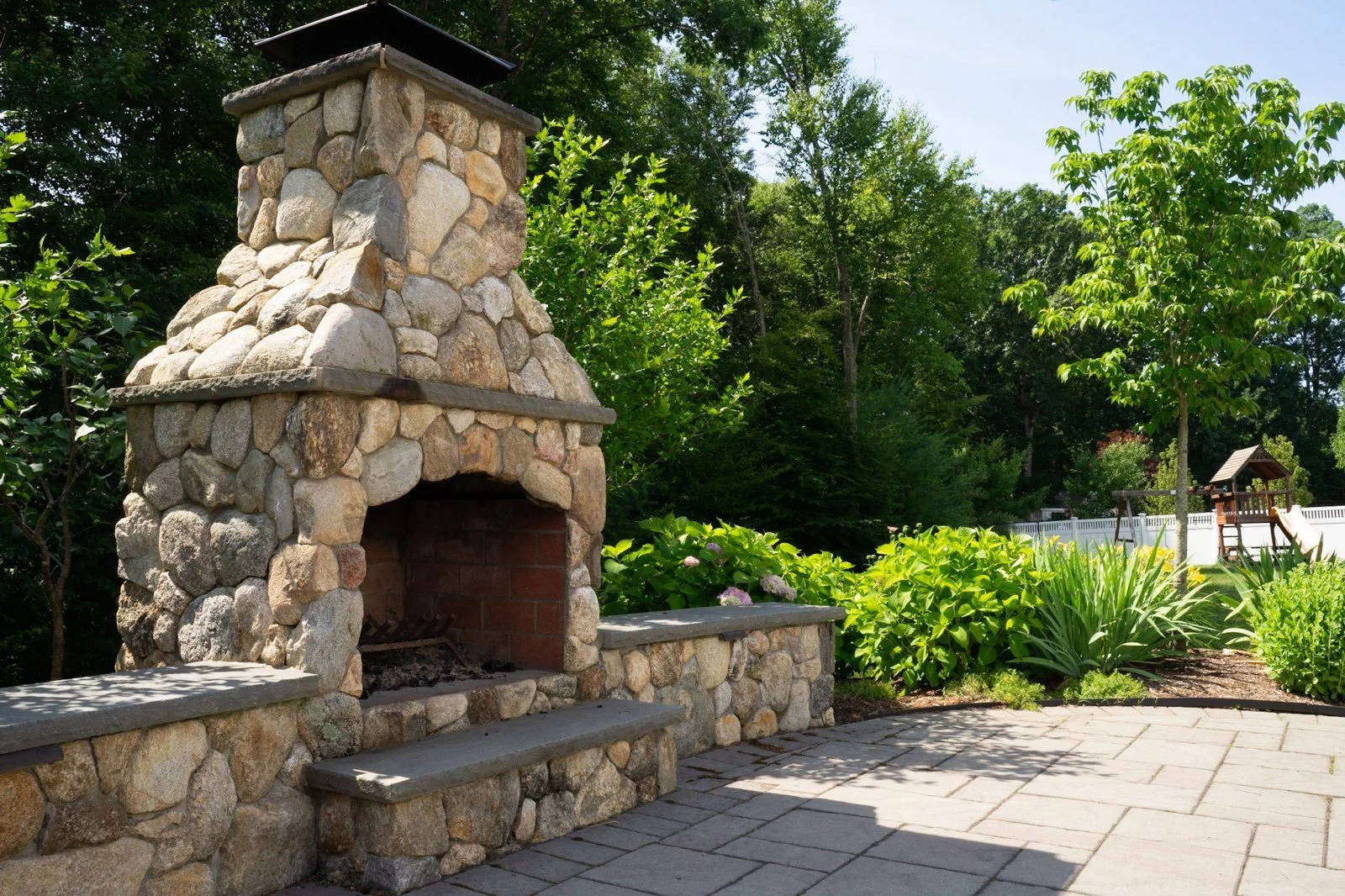
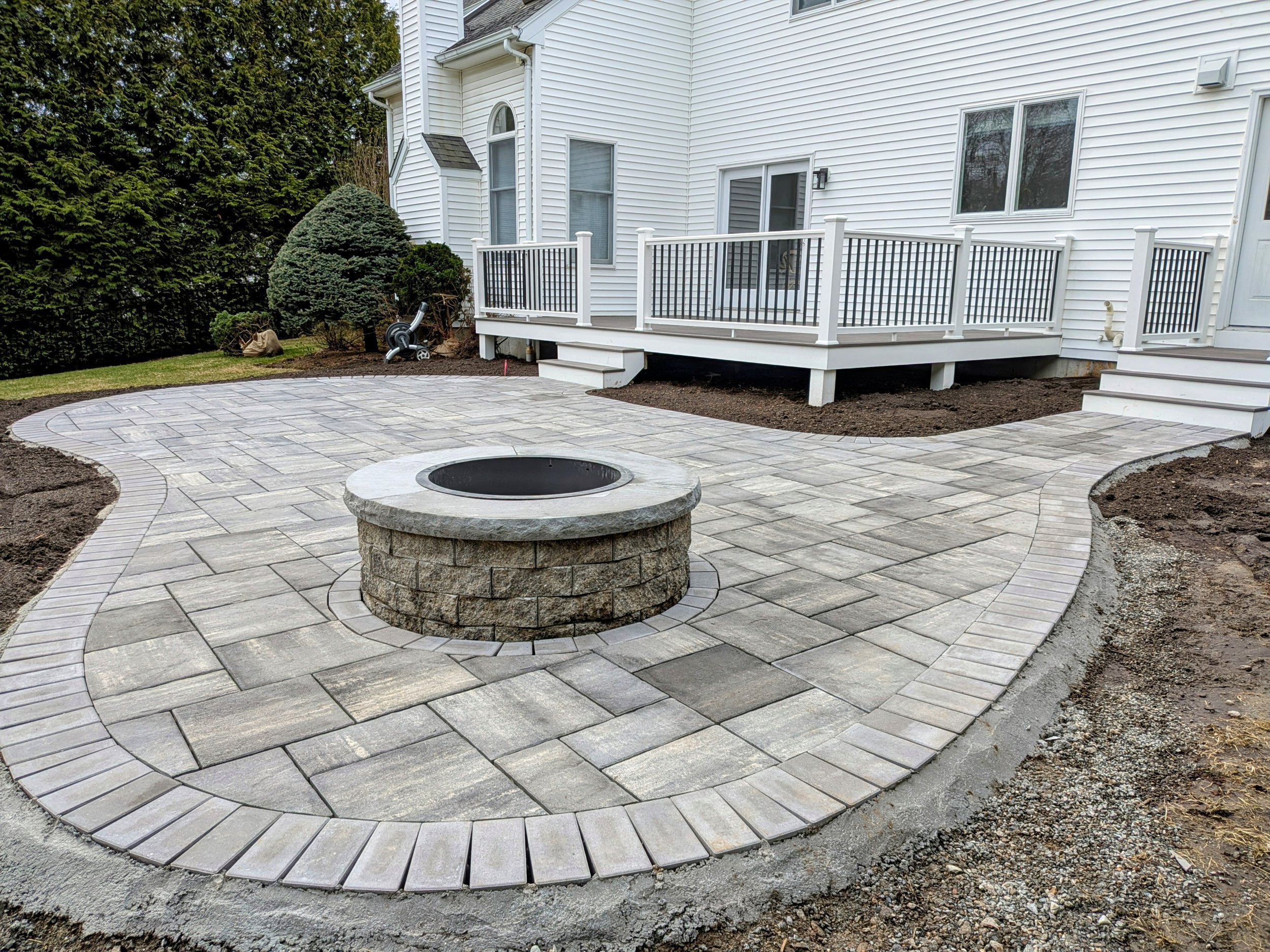
Fire pits and outdoor fireplaces
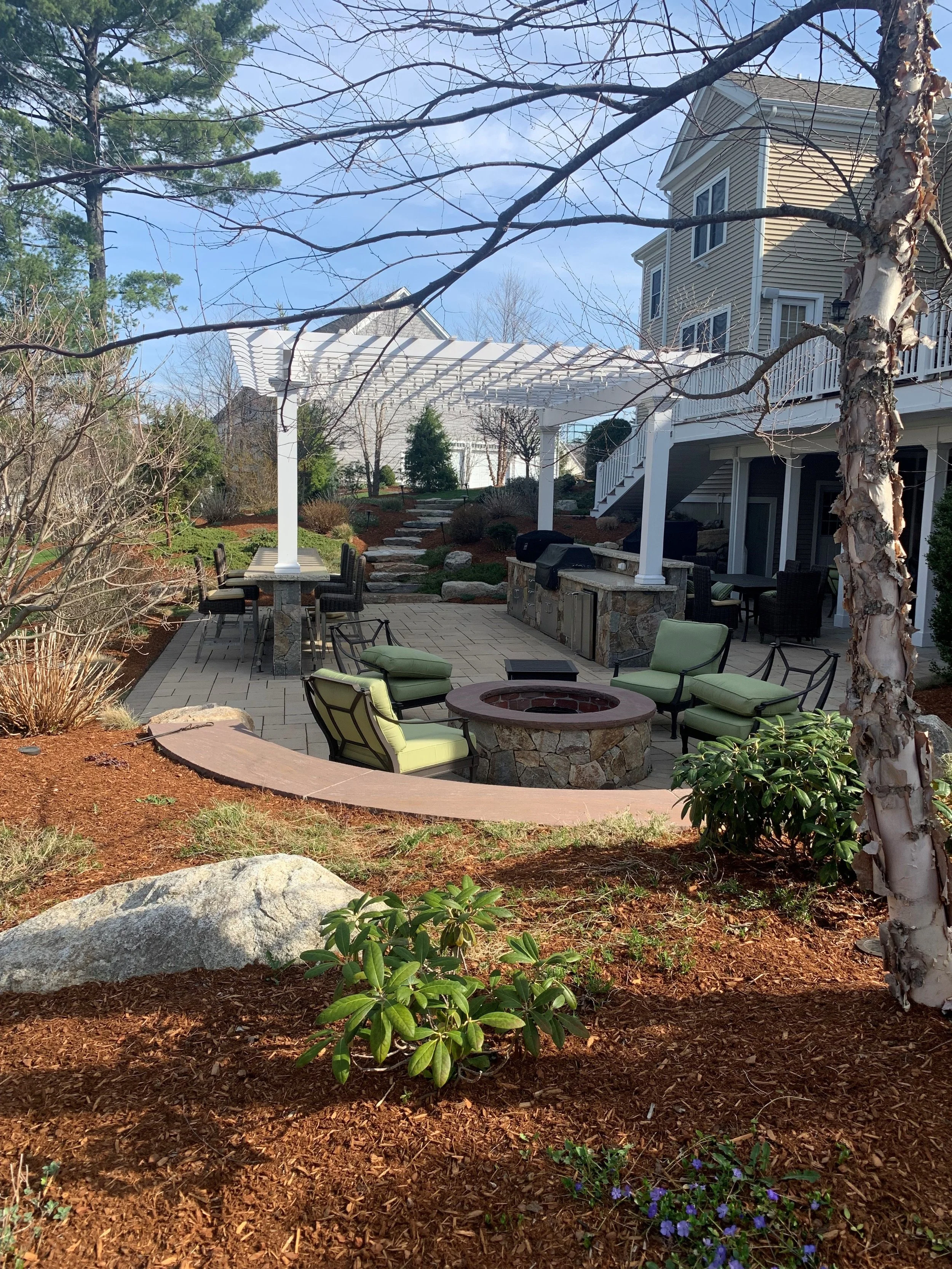
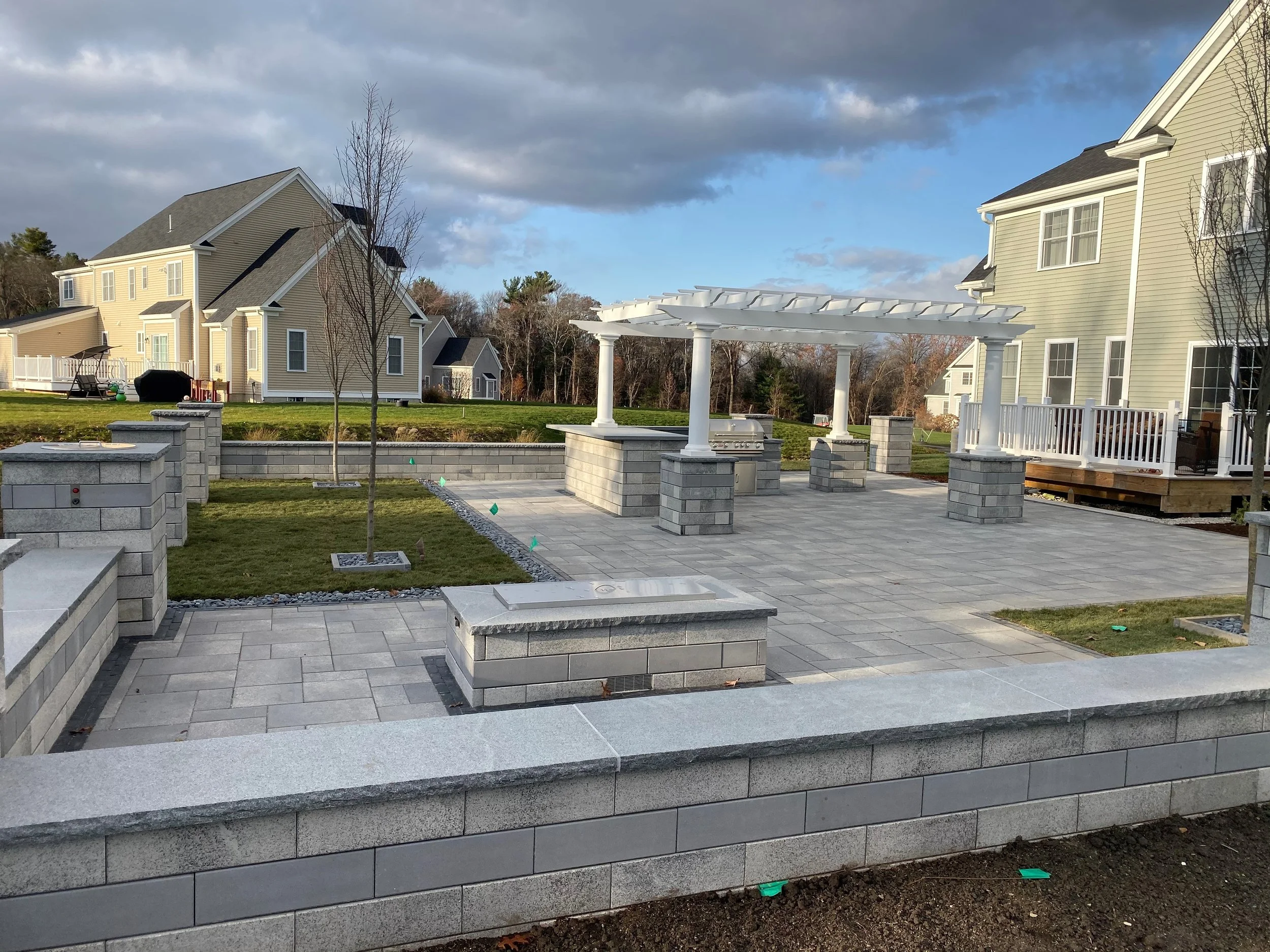
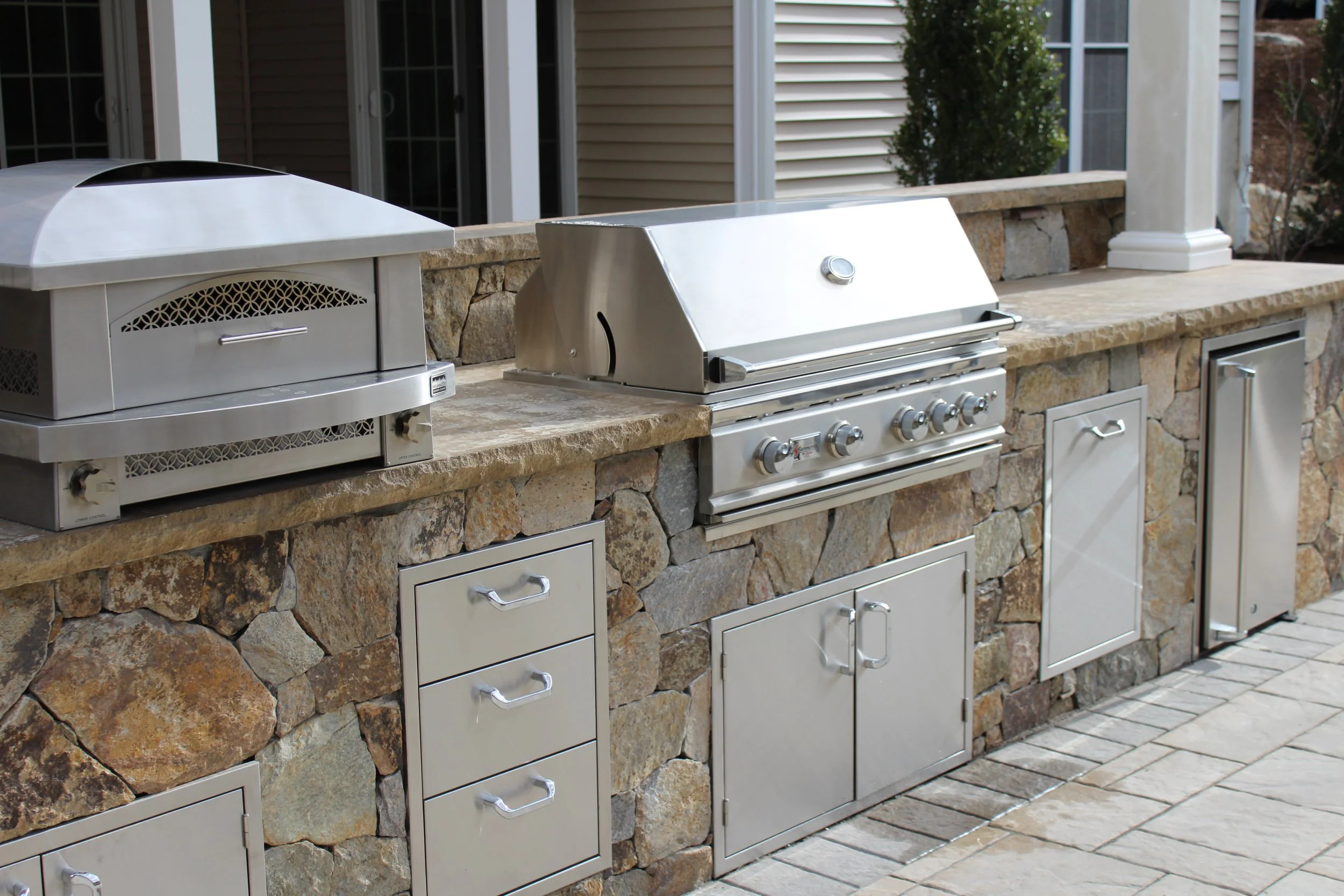
Outdoor kitchens and gathering areas
From guiding foot traffic and improving access across your property to managing elevation changes and creating dedicated areas for entertaining, cooking, and relaxing, these features make your yard more practical, comfortable, and enjoyable for everyday use.
Plantings & Garden Design
Softscape elements add life, color, and seasonal interest. Thoughtful garden design ensures your plantings thrive and evolve beautifully over time.
Trees, shrubs, and perennial plantings
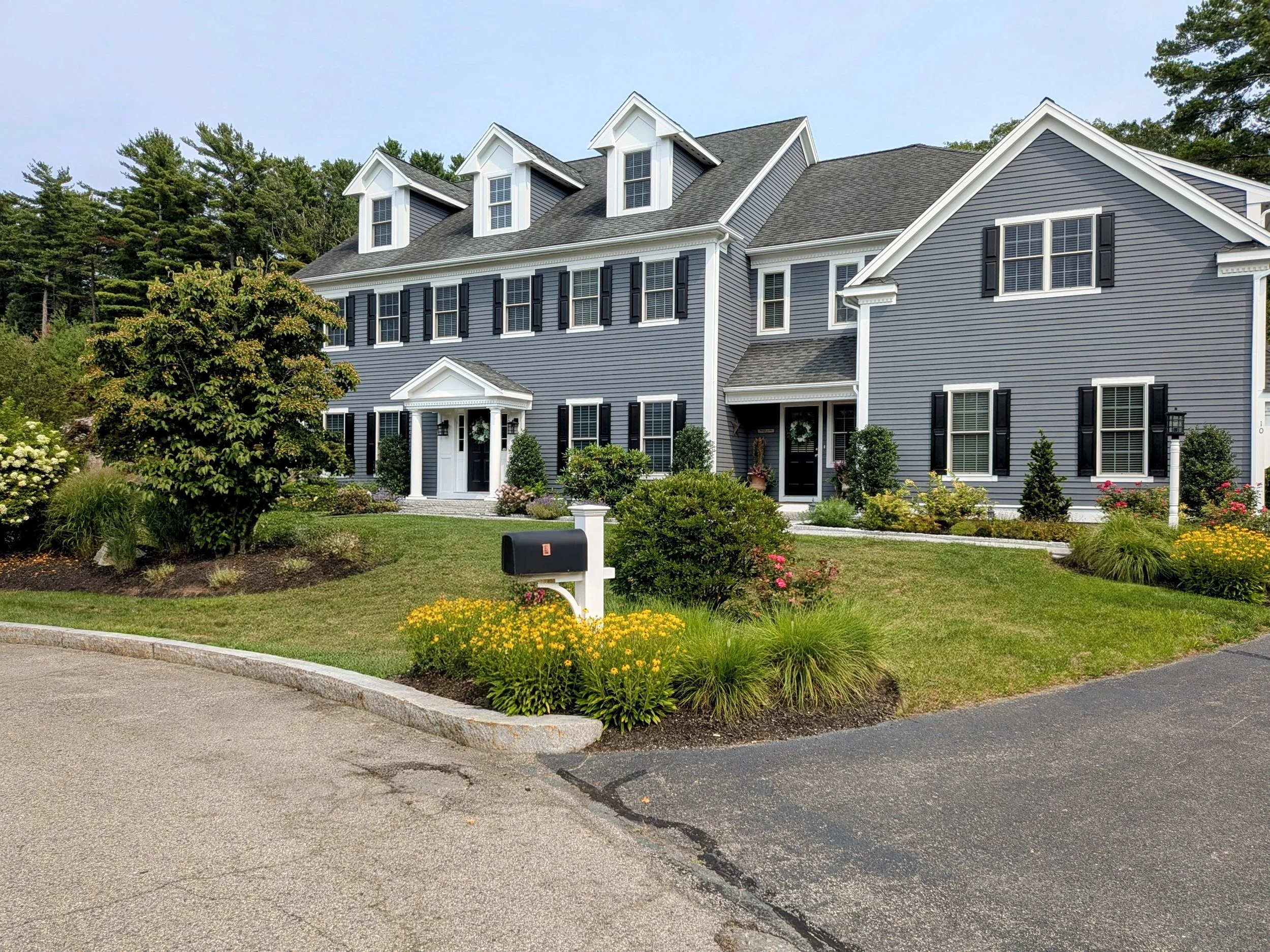
Foundation plantings to enhance curb appeal
Seasonal color and layered garden beds
Native and sustainable plant selections
Every planting plan is created with growth, scale, and long-term health in mind.
Lawn Care & Drainage Solutions
A healthy landscape starts from the ground up.
Lawn installation and fertilization programs
Drainage solutions to manage water and protect your property
Soil improvements for better plant performance
These foundational services ensure your landscape not only looks good, but functions properly in all conditions.
Ongoing Landscape Maintenance
Once your landscape is installed, proper landscape maintenance is key to protecting your investment.
Spring and fall clean-ups
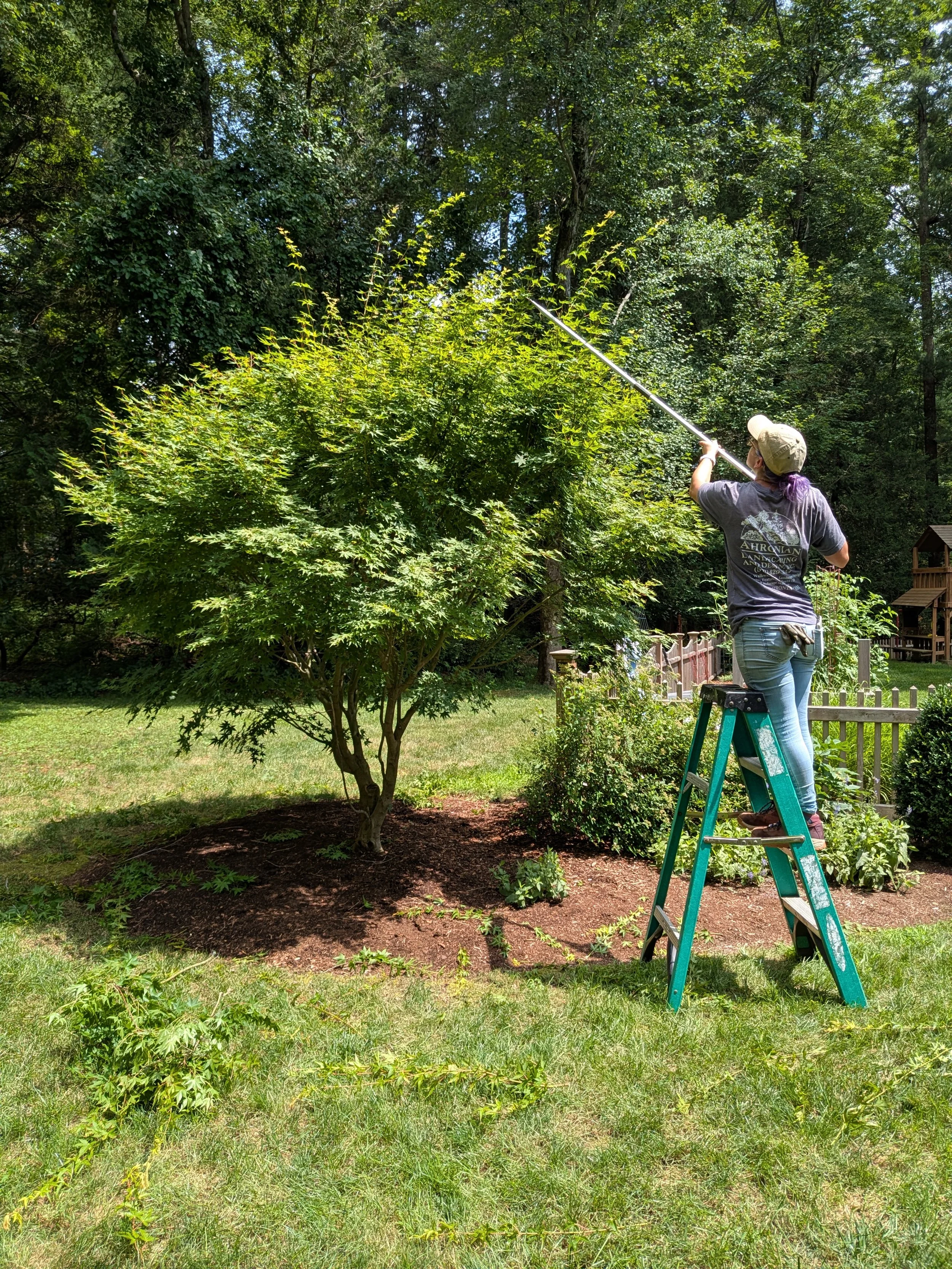
Seasonal pruning and plant care
Lawn care and mowing
Ongoing monitoring of plant health
With consistent care, your landscape continues to grow, mature, and reach its full potential.
Fine Gardening & Seasonal Enhancements
For those who want a truly polished look, detailed garden care makes all the difference.
Weeding, deadheading, and bed maintenance
Deer and rabbit control
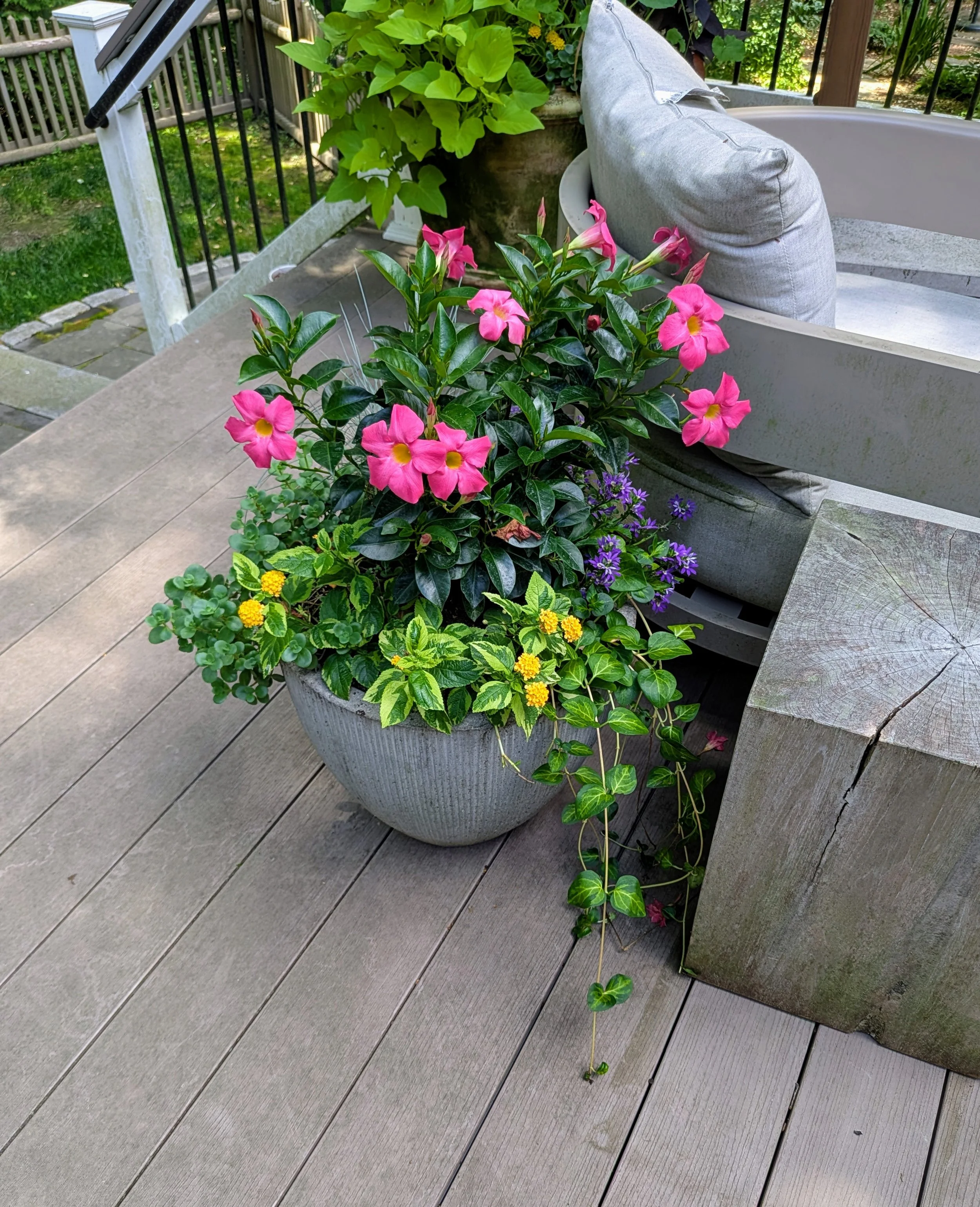
Seasonal container plantings and annuals
Regular visits to keep your yard pristine
These services ensure your landscape always looks its best—without the stress of managing it yourself.
A Seamless, Long-Term Approach
What sets full-service landscaping apart is how everything works together. From initial landscape design to construction and ongoing care, every detail is considered.
The result is more than just a beautiful yard—it’s an outdoor space designed for relaxation, entertaining, and everyday enjoyment.
Start Your Landscape Transformation
May is the perfect time to begin turning ideas into reality. Whether you’re starting fresh or enhancing an existing property, working with a full-service team ensures your vision is carried through every step of the process.
At Ahronian Landscaping & Design, we bring decades of experience, craftsmanship, and attention to detail to every project. From concept to completion—and beyond—we create landscapes designed to be enjoyed for years to come.





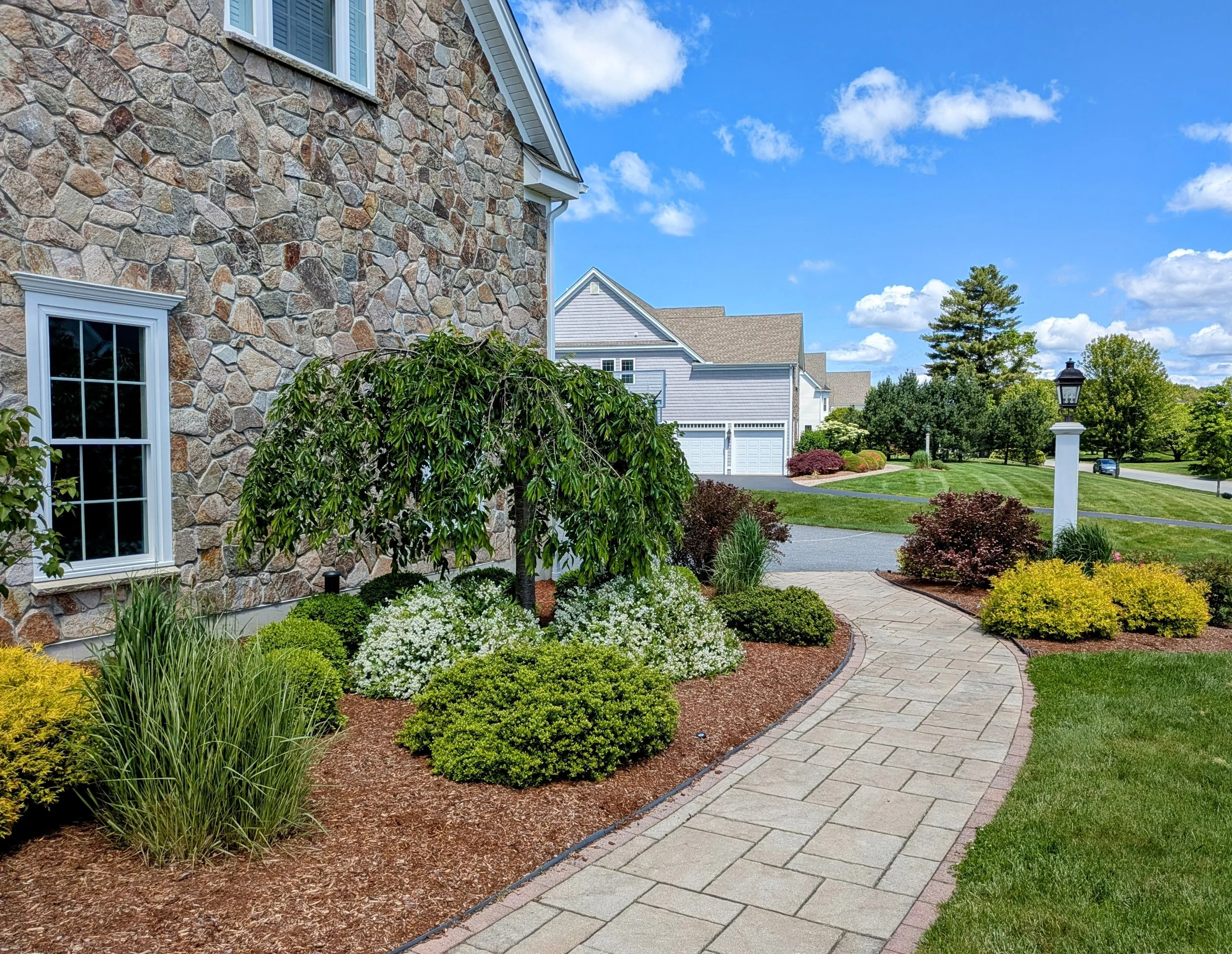
Setting the Stage for Spring: Why a Thorough Spring Clean-Up Matters
Prepare your landscape for success with a professional spring clean-up. Learn how expert landscape maintenance, proper mulching, and early garden preparation protect your investment and support healthy growth all season.
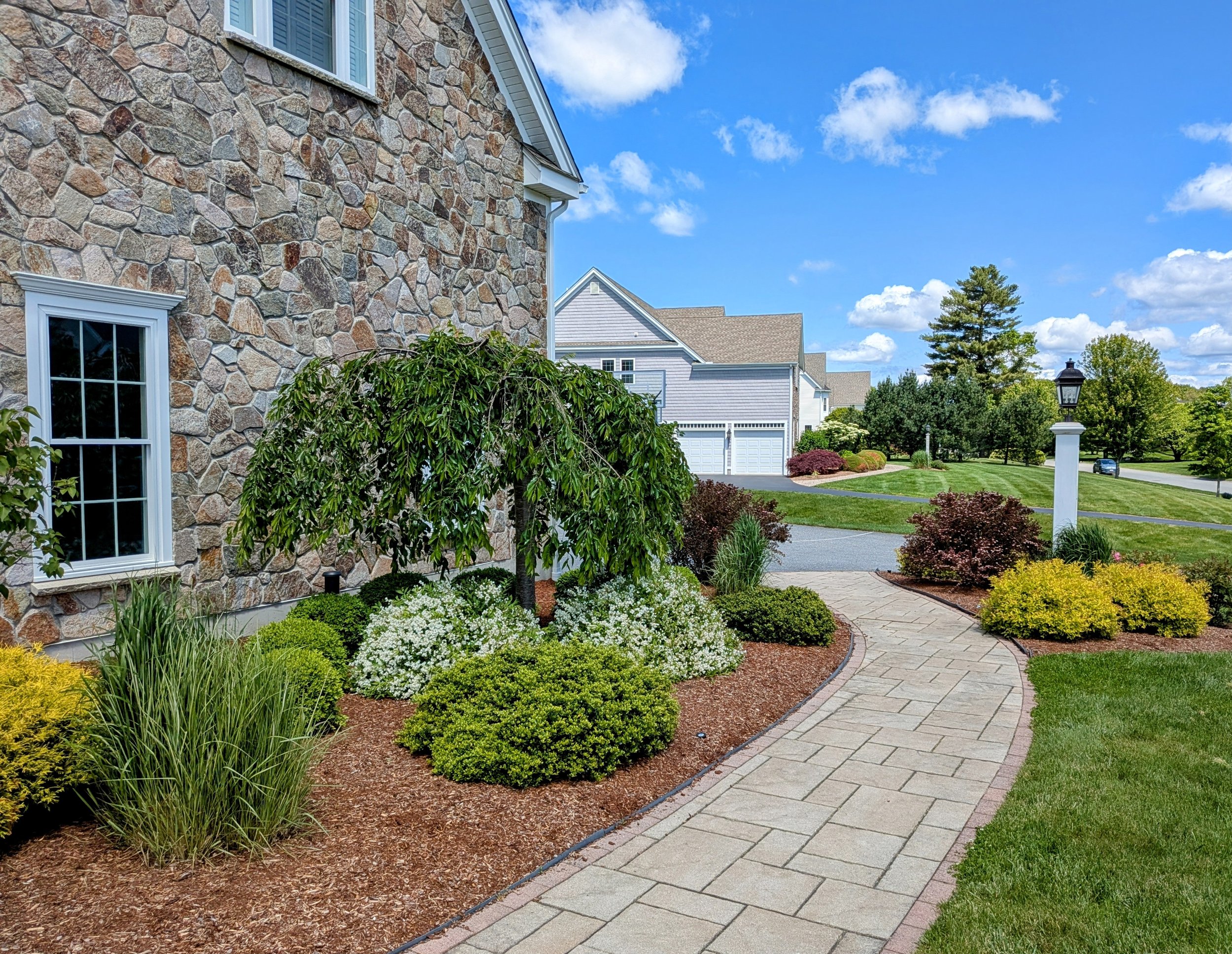
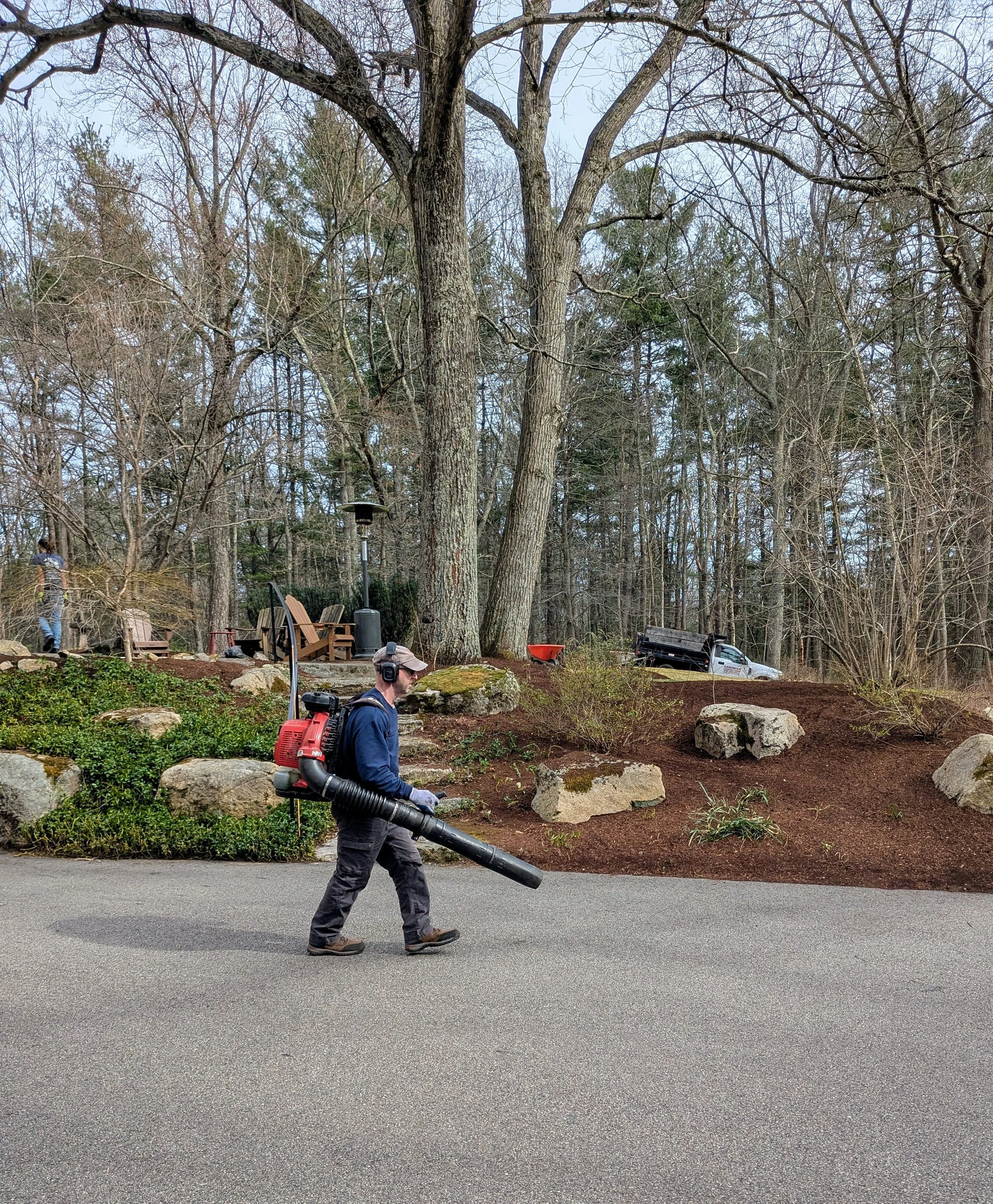
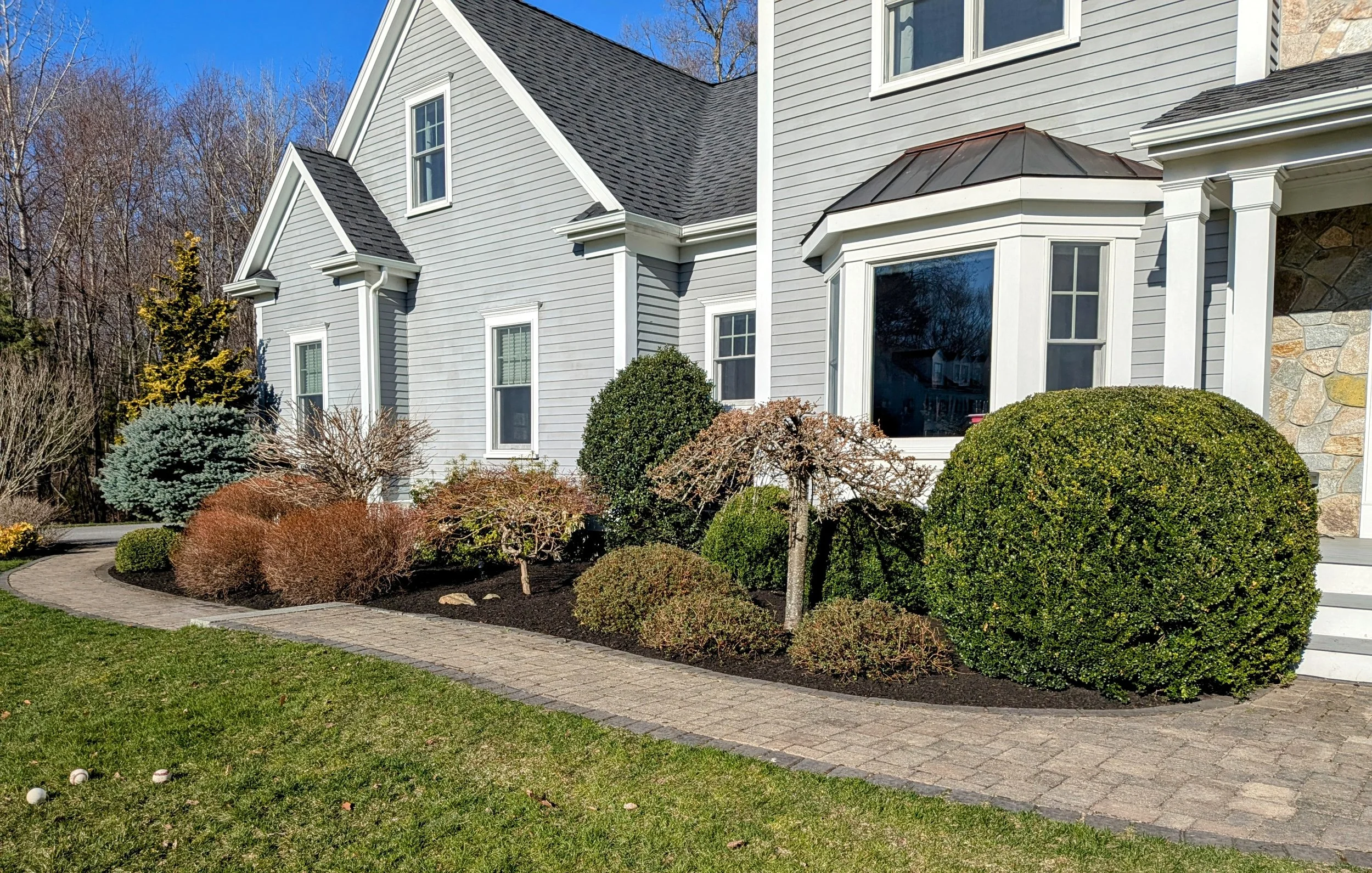
As winter loosens its grip and early signs of spring begin to appear, March is the ideal time to prepare your landscape for the growing season ahead. A professional spring clean-up is about far more than fresh mulch—it’s a comprehensive process that sets your garden up for healthy growth, long-term beauty, and lasting value. At Ahronian Landscaping & Design, spring clean-ups are a critical step in protecting your landscape investment and ensuring your property looks its best from the very start of the season.
More Than Mulching: A Complete Approach
Winter leaves behind more than fallen leaves. Snow, ice, wind, and fluctuating temperatures can stress plants and compact soil. A thorough spring clean-up addresses all of these challenges with a thoughtful, hands-on approach.
Our spring services include:
Removing winter desiccation from plants that have overwintered
Cleaning out leaves, weeds, and debris from garden beds
Reducing early weed growth by removing debris before weed seeds germinate
Removing excess mulch buildup around plant bases to improve airflow, allow proper gas exchange, and prevent root rot
This early attention makes a noticeable difference in how your landscape performs throughout the year.
Supporting Healthy Growth From the Start
Spring is also the right time to encourage strong, healthy development.
Fertilizing plants, ornamental trees, shrubs, and perennials provides essential nutrients just as plants are breaking dormancy
Pruning out winter damage and dead growth allows plants to redirect energy toward healthy new shoots
Edging garden beds creates crisp lines that define the landscape and help keep mulch neatly in place
These steps not only improve appearance but also support long-term plant health and resilience.
Mulch: Purposeful and Protective
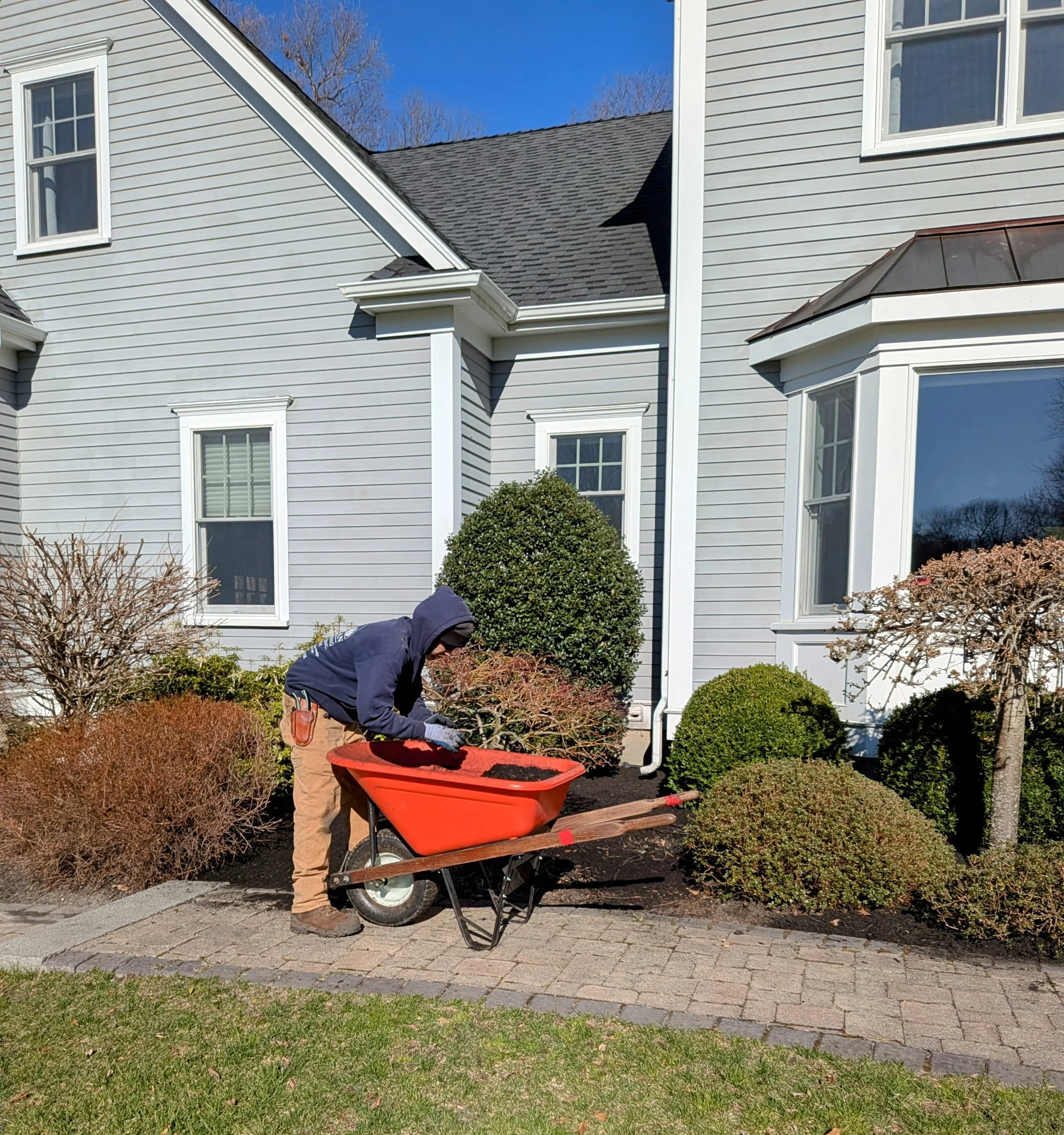
Applying a fresh layer of bark mulch is one of the final—and most visible—steps of a spring clean-up. Mulch plays an important role beyond aesthetics:
Suppresses weed growth
Improves water infiltration and moisture retention
Adds nutrients as it breaks down
Provides visual contrast, making plantings stand out
When applied correctly, mulch protects plants rather than smothering them, enhancing both beauty and function.
A Time for Observation
Spring clean-ups are also an opportunity for close observation. This is when we identify:
Plants that didn’t make it through the winter
Early signs of plant pests or pathogens
Areas that may need adjustments, replacements, or enhancements
Catching issues early helps keep your landscape pristine and prevents small problems from becoming larger ones later in the season.
Protecting Your Investment
Your landscape is a living investment that changes and grows over time. Ongoing landscape maintenance ensures that investment continues to deliver beauty and enjoyment. A clean, well-maintained garden not only looks neat and polished but also performs better—developing fully and reaching its peak throughout the growing season.
Maintenance Options That Fit Your Needs
At Ahronian Landscaping & Design, we offer flexible options to support your landscape all year long:
Seasonal services such as spring clean-ups, pruning, fall clean-ups, mowing, lawn care, and fine gardening
Annual maintenance plans that bundle services into one comprehensive package for consistent care and peace of mind
Whether you prefer targeted seasonal help or a full-service maintenance approach, our team works with you to create a plan that fits your property and your goals.
Start the Season Strong
March is the moment to reset, refresh, and prepare for the season ahead. A professional spring clean-up ensures your landscape starts strong—healthy, tidy, and ready to grow.
At Ahronian Landscaping & Design, we bring decades of experience and attention to detail to every landscape we maintain. With the right care at the right time, your garden will reward you all season long.
Warming Up Outdoor Living: Fire Features & Kitchens That Transform Your Landscape
Elevate your outdoor living space with custom fire pits, outdoor kitchens, and fireplaces. Discover how expert landscape design creates warm, inviting outdoor retreats you can enjoy year-round.
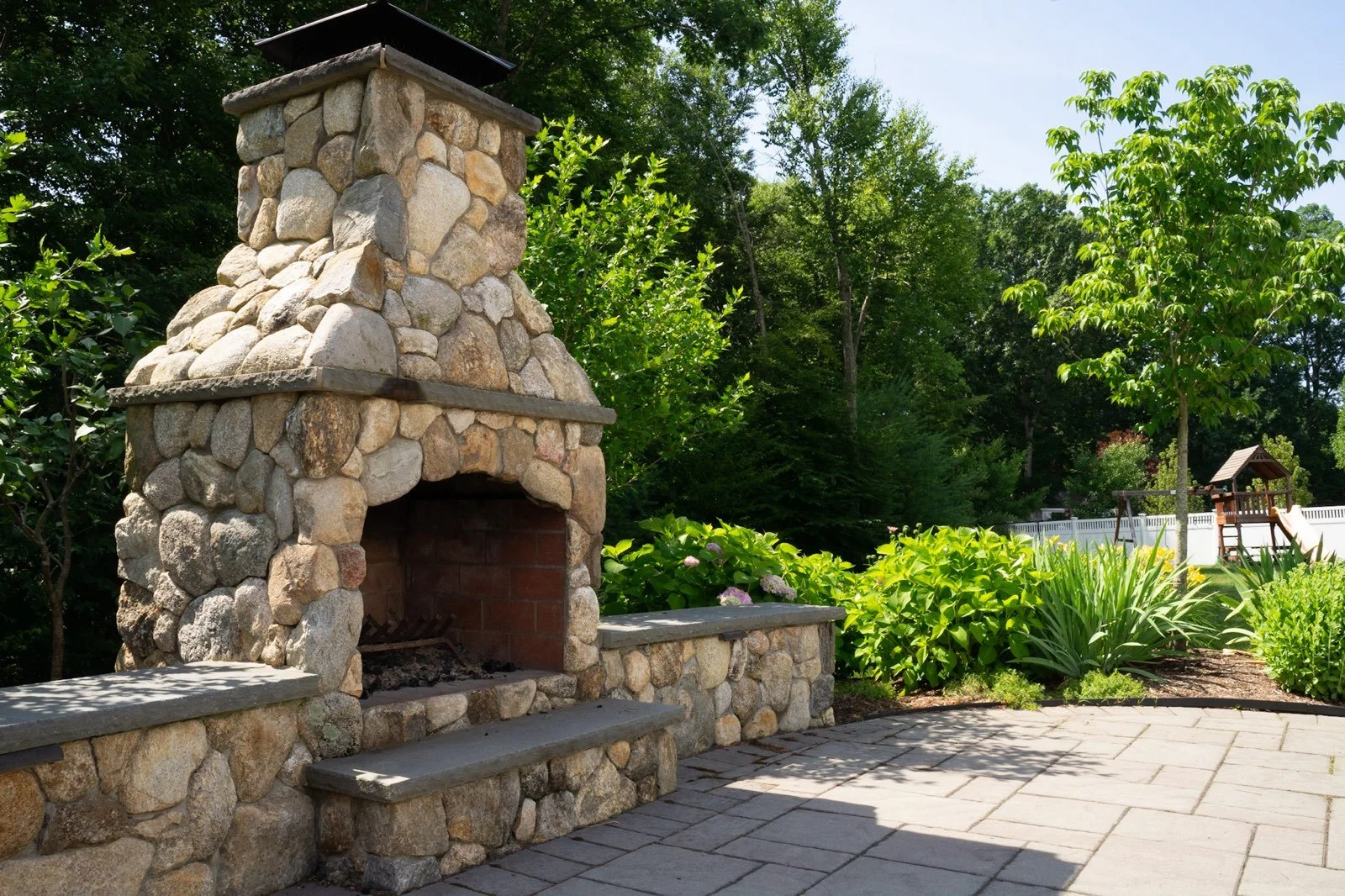
February may be the heart of winter, but it’s also the season when homeowners begin imagining what’s possible outside their doors. Outdoor fire pits, fireplaces, and kitchens are some of the most impactful ways to extend your living space beyond the walls of your home. At Ahronian Landscaping & Design, these features are thoughtfully designed to blend comfort, style, and function—creating outdoor environments that invite connection year-round.
Extending Your Living Space Outdoors
Outdoor living is no longer just a summer concept. With the right design elements, your yard can become a four-season destination. Fire features and outdoor kitchens turn patios and decks into natural gathering places, offering warmth, ambiance, and functionality well beyond daylight hours.
Whether it’s a quiet evening by the fire or a lively weekend gathering, these spaces feel like true extensions of your home—designed with the same care and intention as your interior rooms.

Fire Features: Warmth, Style, and Atmosphere
Fire features bring instant character and comfort to a landscape. They anchor outdoor spaces and create natural focal points that draw people together.
Fire Pits – Available in a range of sizes and styles, fire pits are ideal for casual seating areas and relaxed entertaining.
Outdoor Fireplaces – From classic masonry fireplaces to custom-built statement pieces, fireplaces add structure, height, and architectural presence.
Custom or Insert Options – Fire features can be built entirely from scratch or incorporate inserts, depending on the desired look and function.
Placed poolside, within a patio lounge, or as part of a larger outdoor oasis, fire features create warmth and ambiance while extending the hours you can comfortably enjoy your space.
Outdoor Kitchens: Built for Entertaining
Outdoor kitchens take entertaining to the next level. They allow hosts to stay connected with guests while preparing meals and make outdoor dining effortless.
Designs can be tailored to fit your lifestyle—whether that’s a simple grill station or a fully equipped kitchen with prep space, storage, and seating. When paired with fire features, outdoor kitchens become the heart of an outdoor living area.
Materials That Set the Tone
Material selection plays a major role in both the look and longevity of outdoor features. At Ahronian Landscaping & Design, we help clients choose materials that complement their home and withstand New England’s climate.
Granite – Durable, refined, and ideal for high-traffic areas.
Pavers – Versatile and available in a wide range of colors and textures.
Fieldstone – Natural and rustic, perfect for timeless, organic designs.
Veneer Stone – Offers flexibility in style while delivering a polished, cohesive look.
These materials can be mixed and matched to create outdoor spaces that feel classic, modern, or anywhere in between.
Creating a Complete Outdoor Oasis
Fire pits and kitchens often serve as the foundation for a fully integrated outdoor experience. Thoughtful landscape design brings all the elements together.
Popular additions include:
Seating walls that provide built-in gathering space alongside patio furniture
Decks and patios that define zones for dining, lounging, and play
Artificial turf for kid-friendly play areas
Outdoor TVs and putting greens for recreation and entertainment
Landscape lighting to highlight specimen plants, improve safety, and extend evening use
When designed as a cohesive whole, these features transform a yard into a destination.
Designed With Safety and Longevity in Mind
Fire features require careful planning to ensure safe placement, proper clearances, and thoughtful integration with surrounding materials and plantings. Professional installation ensures your outdoor living space is not only beautiful but safe and built to last.
Plan Now, Enjoy Longer
February is an ideal time to start planning outdoor living projects. Early design allows time to refine layouts, select materials, and schedule construction so your space is ready to enjoy when warmer weather arrives.
At Ahronian Landscaping & Design, we specialize in crafting custom outdoor living spaces that combine fire features, kitchens, and thoughtful landscape design. From cozy fire pits to complete outdoor retreats, our team creates environments designed for connection, comfort, and year-round enjoyment.
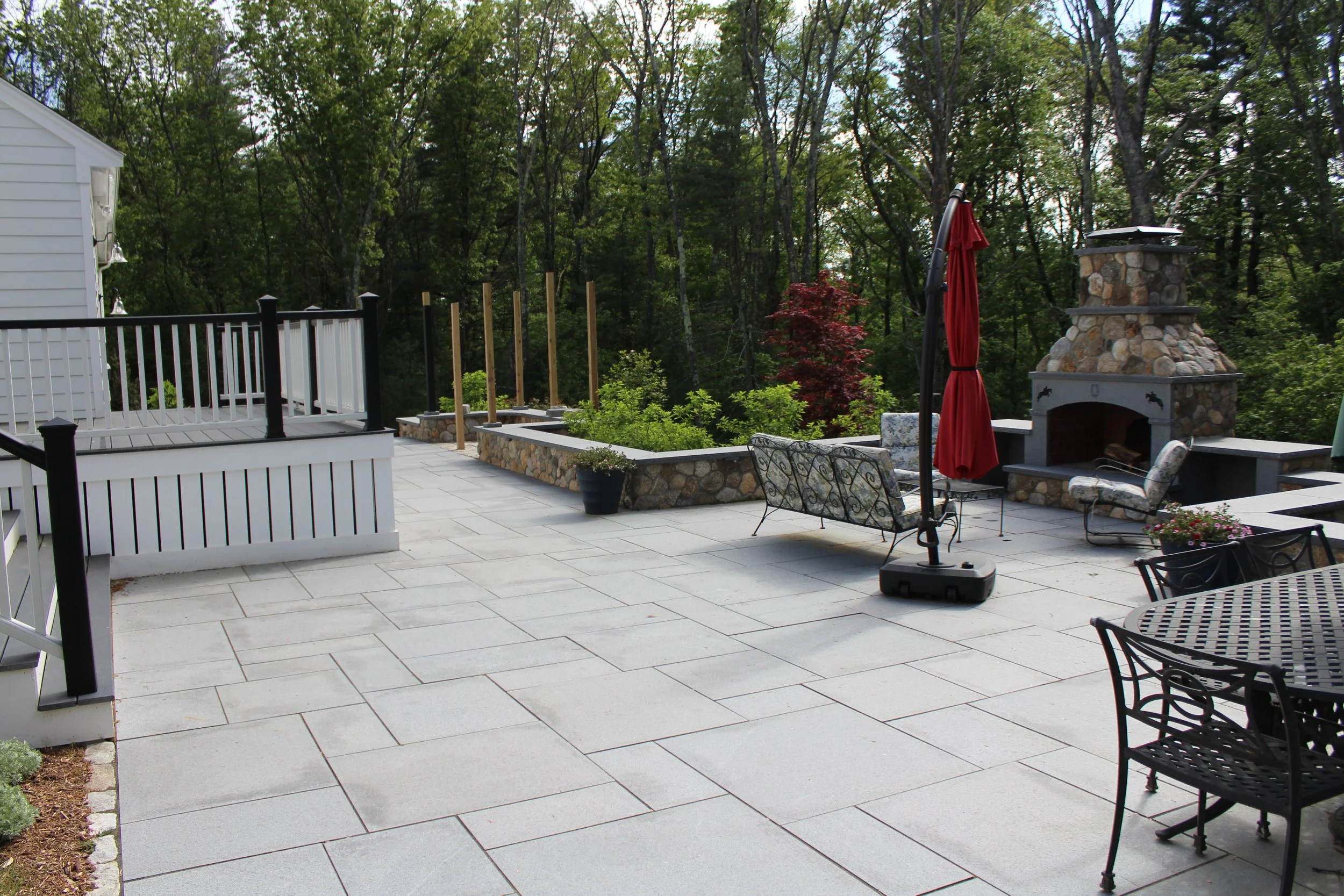
Patios are the Foundation of Outdoor Living
Start planning your custom patio this winter. Learn how expert patio design, proper drainage, and premium materials create durable, beautiful outdoor living spaces with professional landscape design.
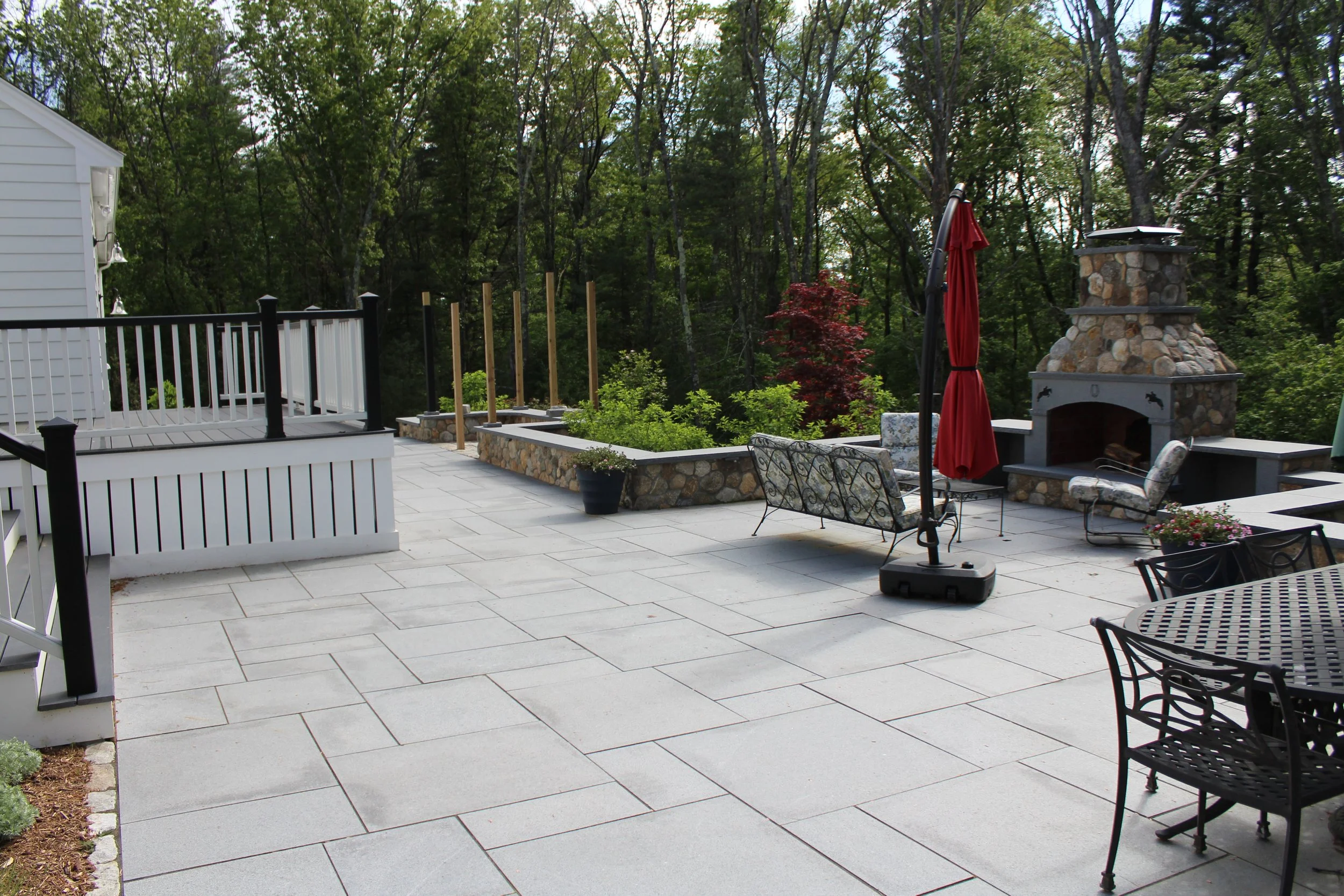
In the heart of winter, it may feel early to think about patios—but January is actually the perfect time to start planning. A well-designed patio is the foundation of outdoor living, setting the stage for everything from quiet morning coffee to lively summer gatherings. At Ahronian Landscaping & Design, patio projects are carefully crafted to balance beauty, function, and long-term durability, ensuring they perform just as well as they look.
Why Patio Design Matters for Thoughtful Outdoor Living
A patio is more than just a hard surface—it’s an extension of your home. Successful patio design considers how the space will be used, how it connects to the surrounding landscape, and how it holds up over time. From intimate seating areas to expansive poolside patios, every detail matters.
Building a Patio That Lasts
The longevity of a patio starts below the surface. Proper preparation is essential to achieving a safe, level, and long-lasting outdoor space.
Subgrade Preparation – A stable, well-compacted subgrade is the backbone of a successful patio. Without it, even the most beautiful materials can shift, settle, or crack over time.
Drainage Planning – Water management is critical. Thoughtful drainage design prevents pooling, protects nearby foundations, and ensures your patio remains usable after heavy rain.
These behind-the-scenes elements are where professional craftsmanship truly shines—and where long-term performance is determined.
Material Choices & Design Details
One of the most exciting parts of patio planning is selecting materials and patterns that complement your home and landscape.
Popular Patio Materials
Pavers – Versatile, durable, and available in a wide range of colors and textures.
Bluestone – A timeless natural stone that works beautifully in both formal and casual settings.
Granite – Known for its strength and clean aesthetic, ideal for high-traffic areas.
Each material offers unique benefits, and the right choice depends on your style, usage, and overall landscape design.
Patio Patterns & Borders
Design details elevate a patio from simple to standout.
Brick patterns such as herringbone or running bond add classic structure.
Bluestone or granite laid in French or random patterns create a more organic feel.
Borders using contrasting colors, sizes, or patterns can define the space and add visual interest.
Permeable vs. Non-Permeable
Permeable patio systems allow water to filter through the surface, supporting sustainable drainage solutions and reducing runoff. Non-permeable options, when paired with proper drainage design, still perform beautifully in many settings.
Sizing, Shape & Placement
A successful patio feels natural in its surroundings. That comes down to scale, shape, and location.
Sizing – A patio should be large enough to comfortably support its intended use—whether that’s dining, lounging, or entertaining—without overwhelming the yard.
Shape – Clean lines feel modern and structured, while curved edges create a softer, more organic look.
Location – Patios can anchor a backyard, frame a pool area, sit beneath a pergola, or connect directly to outdoor seating and fire features.
When paired with elements like a fire pit, fireplace, or outdoor seating walls, patios become true gathering spaces that extend the outdoor season well beyond summer.
Planning Now for the Season Ahead
January is the ideal time to begin thinking about patio projects. Early planning allows time to refine designs, select materials, and schedule construction so your outdoor living space is ready when warm weather arrives. A thoughtfully designed patio doesn’t just enhance your yard—it transforms how you experience your home.
At Ahronian Landscaping & Design, we specialize in creating custom patios that blend craftsmanship, functionality, and beauty. From material selection to precise installation, our team ensures every patio becomes a lasting centerpiece of your landscape.
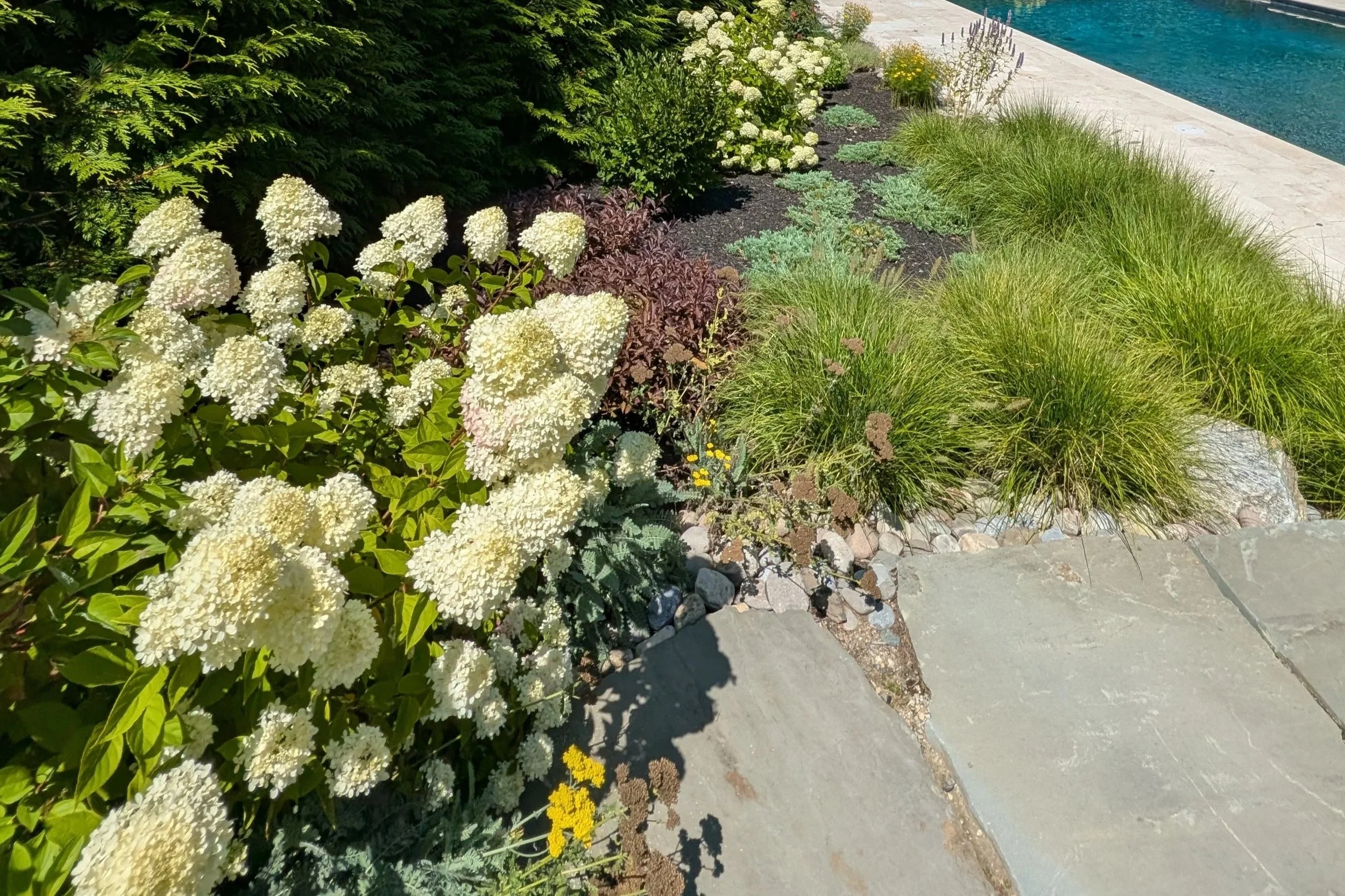
Hydrangeas: The Show-Stopping Favorites of New England Landscapes
Hydrangeas are the stars of New England landscape design. Discover their stunning colors, long bloom time, and how expert garden design and care can help these beloved shrubs thrive all season long.
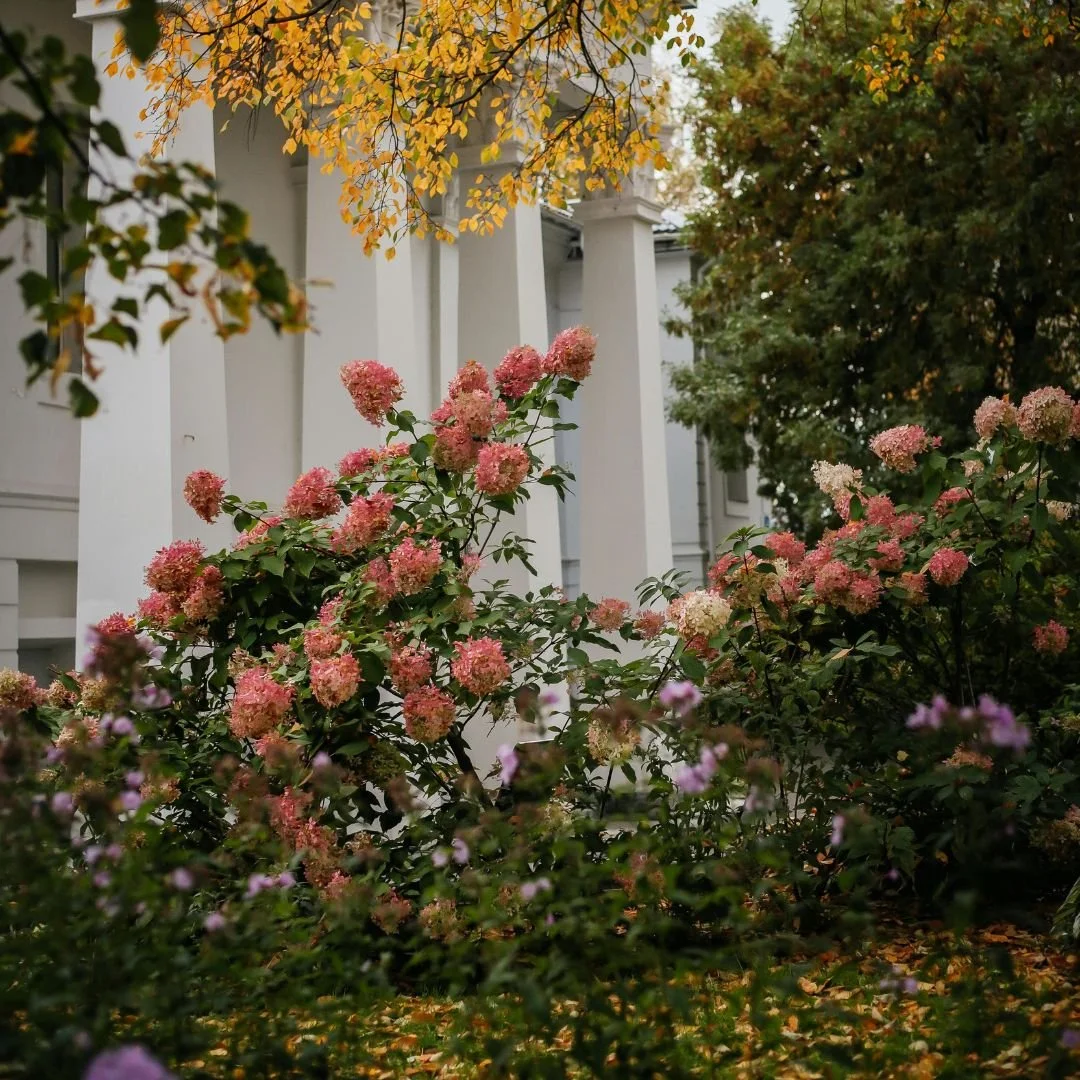
It’s no surprise that hydrangeas top our list of most-planted shrubs each year—this season alone, our team at Ahronian Landscaping & Design installed over 130 of them! Loved for their large, colorful blooms, versatility, and timeless charm, hydrangeas are a staple of classic landscape design. Whether you prefer the elegance of tree-form varieties or the compact beauty of dwarf options, there’s a hydrangea for every yard and every homeowner.
Endless Variety: Size, Shape, and Color
One of the reasons hydrangeas are so beloved is their incredible diversity. They come in an array of sizes, shapes, and hues—each offering something special to the landscape.
A Multitude of Sizes – From small, tidy dwarf varieties perfect for borders or containers to striking tree-form hydrangeas that create stunning focal points, there’s a form for every setting.
A Palette of Colors – Hydrangeas bloom in shades of white, pink, blue, and purple. Some varieties, like the popular Vanilla Strawberry Hydrangea, shift color through the season—from creamy white to soft pink as temperatures change.
Beautiful Bloom Forms – Their showy blossoms come in a range of shapes—round mopheads, delicate lace caps, or elongated conical clusters—each adding texture and drama to the garden.
Long Blooming Season – Hydrangeas are among the longest bloomers in the garden, brightening landscapes from early summer into fall.
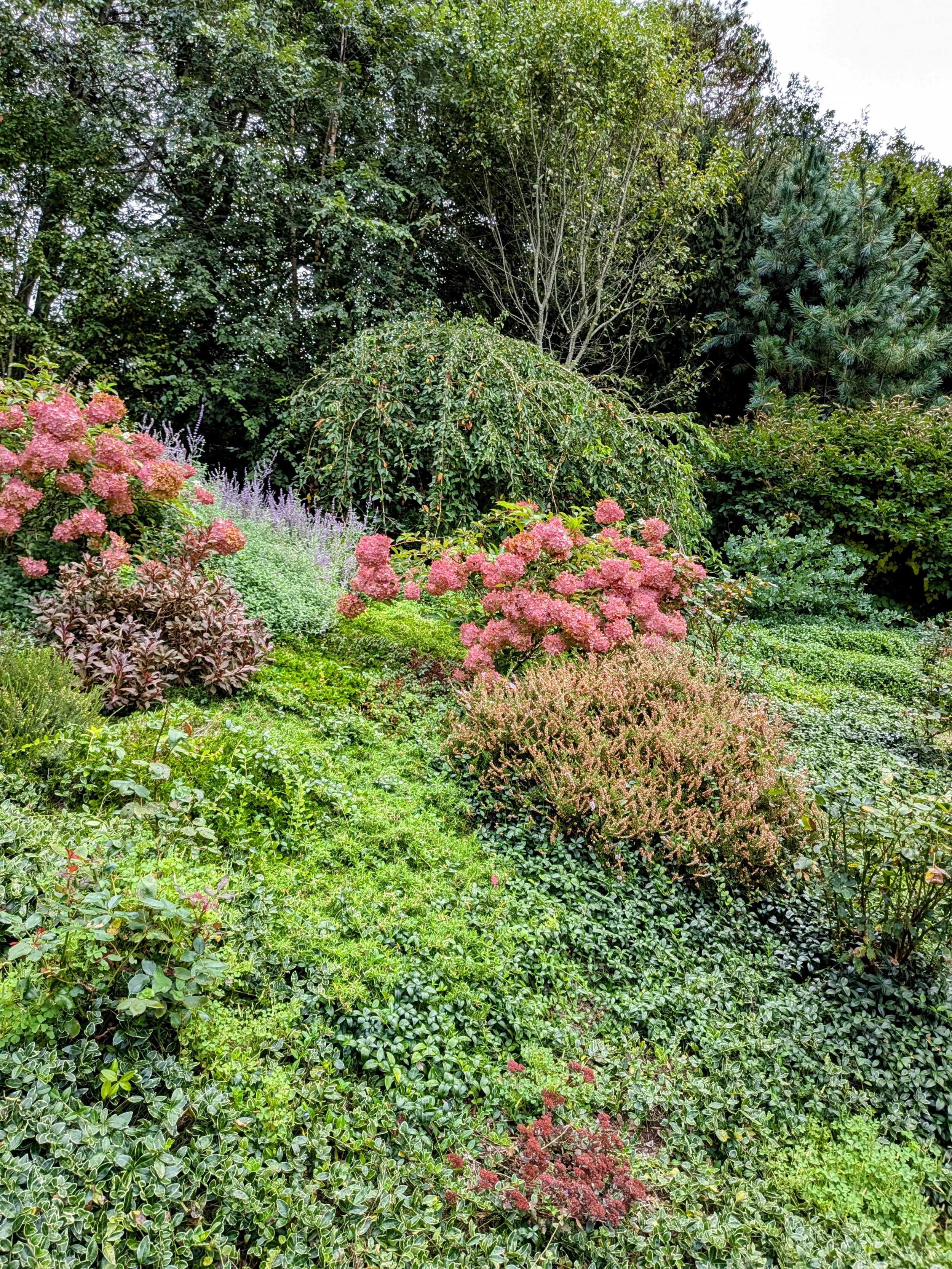
Choosing the Right Hydrangea for Your Landscape
With so many hydrangea varieties, thoughtful garden design is key. Each species has unique growing preferences, from sunlight to moisture levels.
Sun or Shade? – Some hydrangeas thrive in partial shade, while others prefer full sun. Oakleaf hydrangeas, for example, can handle more shade and are easily recognized by their lobed leaves that resemble those of an oak tree.
Plan for Size – Picking the right plant for the right place prevents overgrowth, especially near foundations or walkways. Dwarf varieties like Bobo or Let’s Dance are perfect for smaller spaces, while larger types fill out mixed borders beautifully.
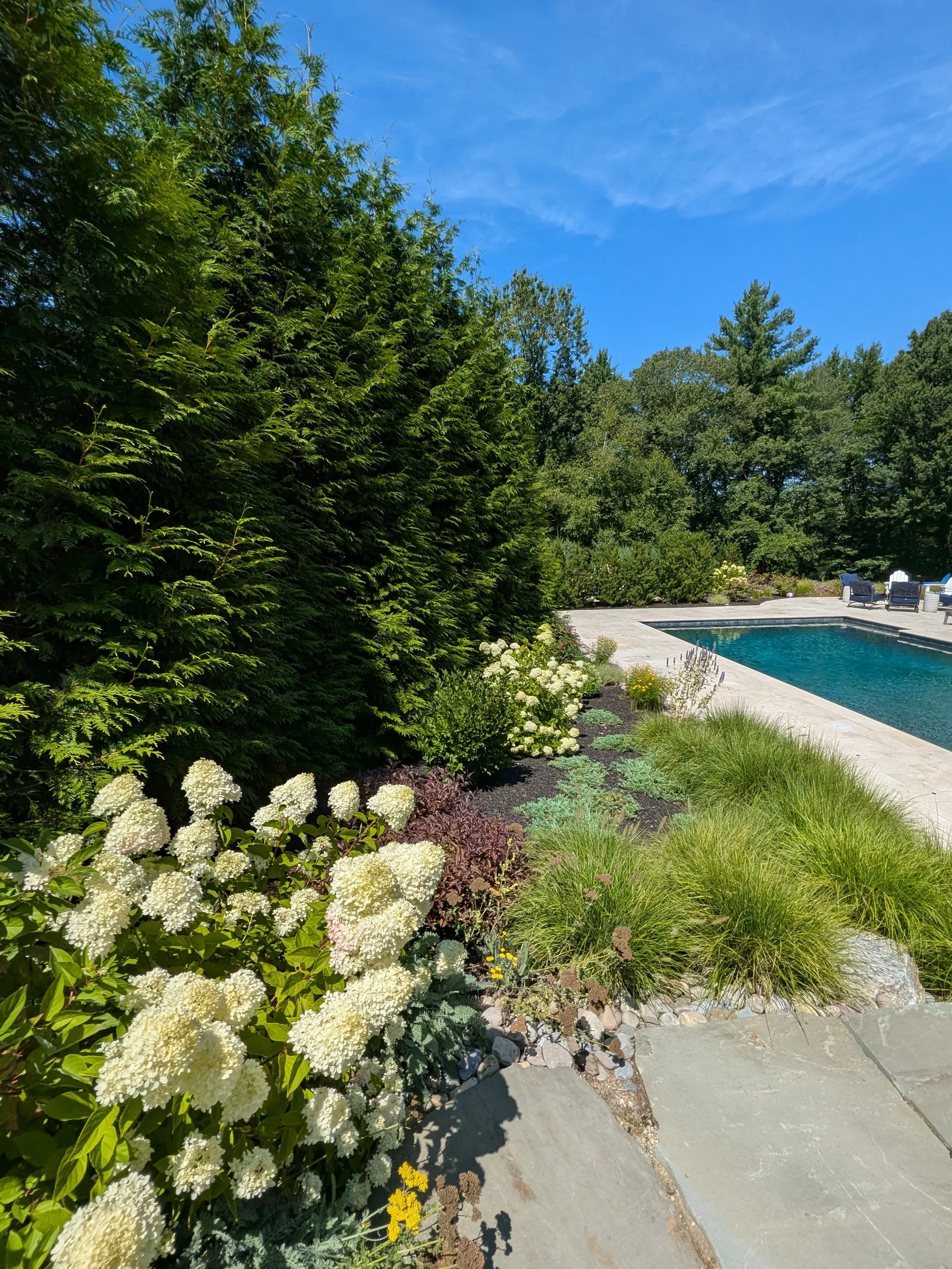
Design Versatility – Hydrangeas look stunning just about anywhere—along the foundation of a home, near a pool area, or in layered garden beds. They’re equally eye-catching when planted in rows or as standalone accents.
Care and Maintenance Tips
Hydrangeas are deciduous shrubs, meaning they lose their leaves in winter, but with the right care, they’ll return each year even more vibrant. Here are a few essentials for success:
Pruning Matters – Each hydrangea species has different pruning needs, depending on whether it blooms on old wood, new wood, or both. Having a professional who can identify your hydrangea type ensures it’s pruned at the right time and in the right way.
Deer Awareness – Deer love hydrangeas, so if your property isn’t fenced or you live in an area with high deer pressure, it’s important to apply repellent regularly to protect your investment.
Soil and pH – Soil acidity can affect bloom color. In some species, more acidic soils produce blue flowers, while alkaline soils bring out pink and purple tones. A soil test can help you achieve the shades you love.
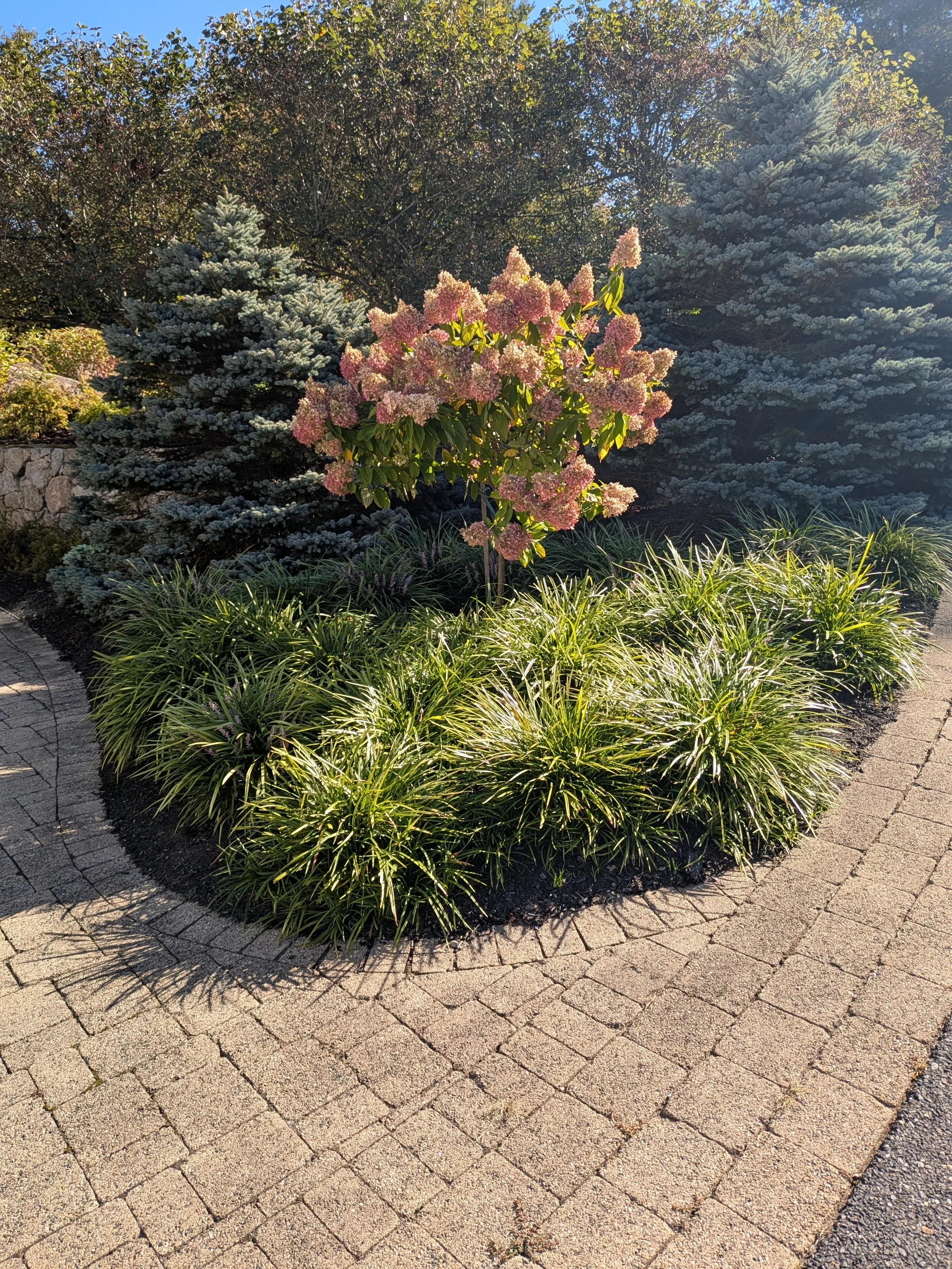
Tree-Form Hydrangeas: Standing Tall in Winter
We’ve fallen especially in love with the tree-form hydrangeas we’ve been planting this year. Their sculptural shape and large, cloud-like flowers bring vertical interest and elegance to any landscape design. Even as their leaves drop in late fall, their dried blooms and strong branching structure continue to add winter interest, especially when accented by snow or subtle lighting.
The Perfect Plant for Every Season
Hydrangeas embody everything we love about seasonal landscaping—beauty, resilience, and variety. With proper care and placement, they’ll reward you year after year with reliable color and structure. Whether you’re looking to add a single statement shrub or redesign an entire garden bed, hydrangeas offer endless design potential.
At Ahronian Landscaping & Design, we specialize in helping homeowners choose the perfect plants for their property. From compact hydrangeas that brighten small spaces to graceful tree-form specimens that anchor a landscape, we’ll make sure your garden blooms beautifully for years to come.

The Beauty of Blue Spruce: A Perfect Evergreen for Year-Round Interest
Add year-round beauty to your landscape with the Blue Spruce. Learn why this hardy evergreen is ideal for fall tree planting in Massachusetts and how expert landscape design can help it thrive for generations.

As the colors of fall begin to fade and the landscape shifts toward winter, evergreen trees take the spotlight—adding structure, color, and life to our surroundings. One standout species that offers exceptional beauty and resilience is the Blue Spruce. Known for its striking silvery-blue needles and classic pyramidal shape, this hardy evergreen provides year-round interest and has long been a favorite in New England landscapes.
At Ahronian Landscaping & Design, we love planting Blue Spruce trees for their strength, elegance, and versatility—and this year, we even helped share them with our community by handing out seedlings at the Holliston Home Expo and Celebrate Holliston. Watching these small trees grow alongside the families who planted them perfectly captures what we value most about seasonal landscaping: growth, connection, and longevity.
Why Choose a Blue Spruce?
The Blue Spruce (Picea pungens) offers both beauty and durability, making it an excellent choice for homeowners looking for low-maintenance evergreens that thrive in New England’s climate.
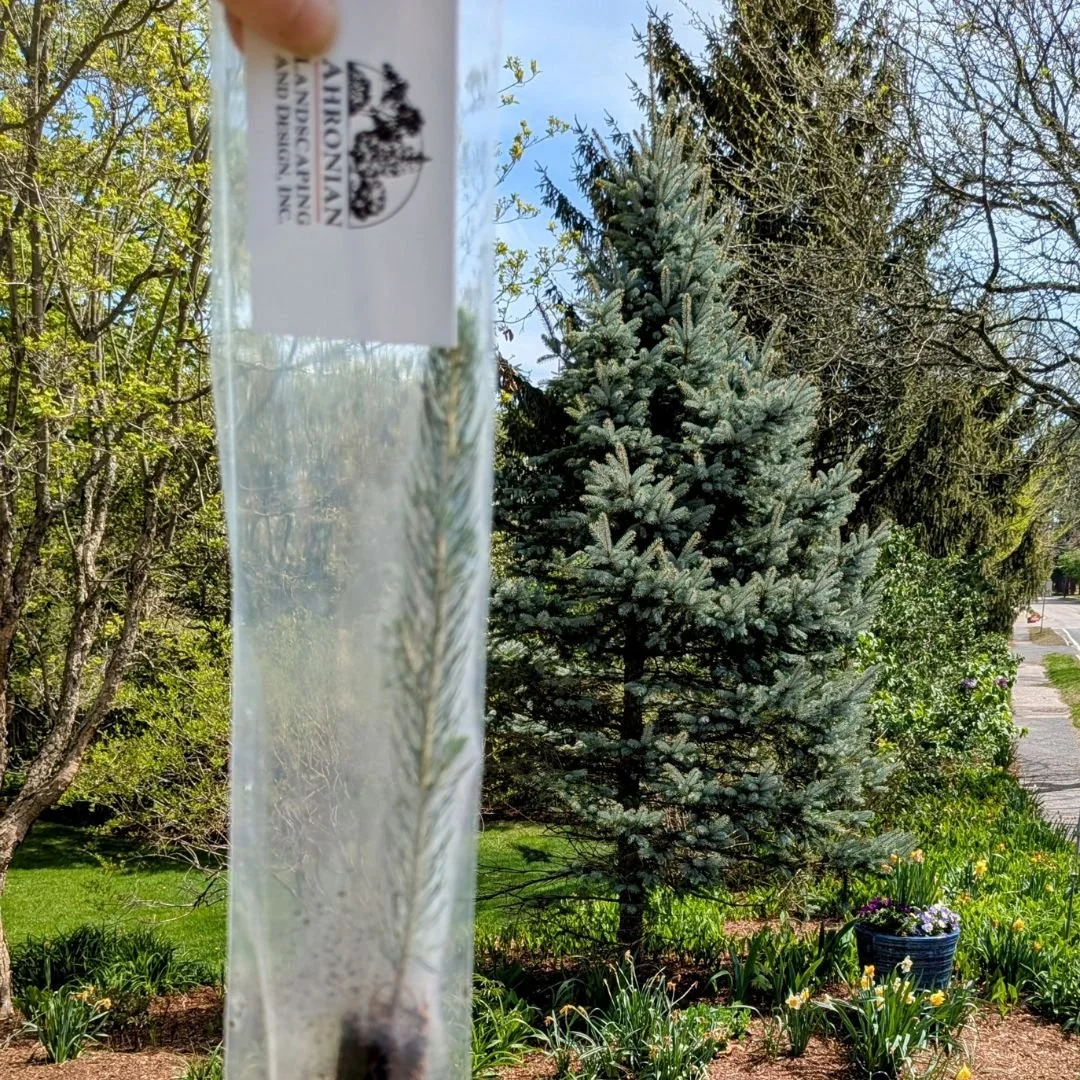
Hardy & Adaptable – Blue Spruce trees are hardy in our growing zone and handle cold Massachusetts winters with ease. Once established, they can even tolerate drought conditions.
Sun-Loving & Resilient – These evergreens prefer full sun and tolerate air pollution and road salt, making them well-suited for both suburban and urban settings—even near driveways or streets.
Elegant Form & Color – Their natural pyramidal shape and vibrant blue-green needles add depth and color to the landscape all year long. During the holidays, they look especially magical, dusted with snow or decorated with twinkling lights.
Low Maintenance & Deer Resistant – Blue Spruce trees are naturally low-maintenance, needing little pruning and offering great deer tolerance. They’re perfect for homeowners seeking lasting beauty with minimal upkeep.
Variety of Sizes – Mature Blue Spruce trees can reach 40–60 feet tall and 10–20 feet wide, but there are also dwarf and compact varieties that grow as small as three feet—available in globe or conical forms, ideal for smaller gardens.
Planting Tips for Success
For long-term success, proper tree planting and placement are essential.
Give It Space – Plant at least 20–30 feet from your home or other large trees to allow full growth without crowding. Blue Spruce trees like room to spread and don’t thrive in tight spaces.
Soil & Drainage – Choose well-drained soil to prevent root rot. While Blue Spruce can tolerate a range of conditions, they prefer not to sit in overly wet areas.
Sun Exposure – Make sure they receive plenty of sunlight—this is key to maintaining their strong shape and rich blue color.
Ongoing Care – Like all evergreens, Blue Spruce trees should be watered consistently until the ground freezes to help their roots stay healthy through the winter.
Growing With the Community
Last fall, we partnered with the Holliston Lions Club to plant a Blue Spruce in Blair Square in the heart of Holliston. The tree symbolizes growth, community, and the future—a living reminder of how seasonal landscaping connects people and places. For the families who brought home small Blue Spruce seedlings from this year’s events, each tree will tell a story as it grows: a story of time, care, and the beauty of nature right at home.
A Perfect Tree for the Season—and Beyond
As we enter the colder months, evergreens remind us that the landscape is never truly asleep. The Blue Spruce offers strength, color, and charm when the rest of the garden rests. Whether you’re looking to enhance your property with a statement tree, add structure to your winter landscape, or carry on the tradition of planting evergreens for the next generation, this beautiful evergreen is the perfect choice.
At Ahronian Landscaping & Design, we bring decades of experience in landscape design and professional tree planting throughout Massachusetts. If you’re inspired to add a Blue Spruce—or other evergreens—to your property this season, contact us to help you choose the right tree for the right spot.
Fall Is for Planting: Why Trees Thrive in Autumn
Discover why fall is the best time for tree planting. Learn the benefits of trees for shade, privacy, and sustainability, and how expert landscape design ensures long-lasting beauty.
When most people think of gardening, spring is the first thing that comes to mind. But in reality, fall is one of the very best times to plant trees. At Ahronian Landscaping & Design, we encourage homeowners to take advantage of autumn’s cooler weather and unique conditions to establish new trees that will enhance their property for decades to come.
Why Fall Planting Works So Well

Planting in the fall offers several natural advantages for trees:
Cooler Temperatures, Less Stress – With the heat of summer behind us, trees experience less stress during planting. Their energy can focus on root development instead of supporting heavy foliage.
Roots Before Shoots – Trees planted in autumn get a head start. While their above-ground growth rests, roots continue to establish underground, preparing them to burst with vigor come spring.
Lower Watering Needs – Because deciduous trees have fewer or no leaves during dormancy, they require less water than in summer. Still, it’s important to keep watering until the ground freezes.
Fresh Evergreen Availability – Fall is also a prime time to find freshly dug evergreens. These are excellent for privacy screening or as specimen trees—many of which can even be decorated with holiday lights to add festive charm.
The Benefits of Trees in Your Landscape
Trees are more than just plantings—they’re long-term investments in your property and the environment. Thoughtful landscape design incorporates trees for beauty, function, and sustainability.

Environmental Stewardship – Trees sequester carbon dioxide from the atmosphere and provide habitats and food sources for countless species, including the birds we love to see in our yards.
Shade & Comfort – Well-placed trees provide shade that cools your home and creates inviting outdoor living spaces, even on the hottest summer days.
Privacy & Screening – From tall evergreens to ornamental groupings, trees create natural barriers that bring peace and seclusion.
Curb Appeal & Legacy – A street lined with mature trees increases property value and offers timeless beauty. A tree planted today becomes part of your home’s story for generations.
Erosion Control – Root systems stabilize the soil, protecting against runoff and erosion.
Right Tree, Right Spot – Choosing the correct tree for each site ensures long-term success, whether you need a variety that tolerates wet conditions, drought resistance, or specific size considerations.
Making the Most of Fall Planting
To maximize success, consider both the type of tree and where it will go. Strategic garden design means thinking about spacing, mature size, and how trees interact with other plantings. A carefully chosen specimen tree might become the centerpiece of your yard, while groupings of evergreens provide structure and screening. By working with experts, you’ll ensure that the right tree thrives in the right place.
Invest in Trees This Season
Trees are living assets that enrich your property in countless ways—adding beauty, creating comfort, and contributing to environmental health. Planting them in the fall gives them the strongest foundation for long-term success.
At Ahronian Landscaping & Design, we’ve been helping Massachusetts homeowners transform their properties with professional tree planting for nearly four decades. Whether you’re dreaming of a stately shade tree, a colorful ornamental, or a screen of evergreens, now is the perfect time to invest in your landscape.

Landscape Maintenance: The Art and Purpose of Pruning Services
Keep your landscape beautiful and healthy with expert pruning services from Ahronian Landscaping. Our shrub and tree pruning is part of a comprehensive landscape maintenance plan tailored to your property.
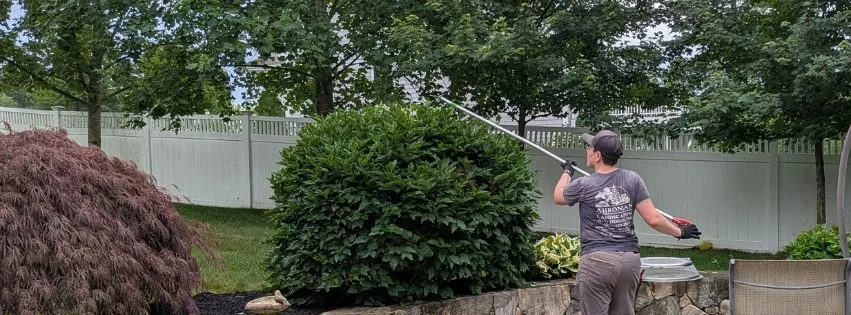
Pruning services are more than just trimming plants to make them look neat—it’s a horticultural practice rooted in science and strategy. At Ahronian Landscaping, serving Holliston, Hopkinton, Newton, Wellesley, Framingham, and surrounding towns, we view pruning as essential to maintaining the long-term health, beauty, and balance of your yard's landscape. Here’s a closer look at why, when, and how we prune for both aesthetics and also vitality.
🌿 Why Prune? The Purpose Behind Our Pruning Services
Pruning is a fundamental part of garden care with much more far-reaching benefits:
Control Plant Size: Pruning helps manage how large your plants grow, keeping them proportionate to your landscape design and preventing overgrowth that can feel chaotic or out of place.
Promote Plant Health: By removing diseased, damaged, or dead limbs, pruning protects plants from infection caused by insects, fungi, or bacteria.
Enhance Visual Appeal: A well-pruned garden appears intentional, tidy, and beautifully maintained—bringing out the best in each plant’s natural form.
Protect Your Investment: Landscaping is a significant investment. Regular pruning ensures your plantings thrive and your property continues to look its best year after year.
Consider the Big Picture:
Start with a vision of what you want your landscape to look like.
Think about the plant’s role in the landscape and how it complements nearby plants.
A balanced pruning job respects both form and function.
Timing is Everything:
Proper timing enhances plant recovery and future blooming.
A general rule: prune after the plant’s bloom time and before its next bud set.
Our seasonal landscape maintenance plans include strategic pruning throughout the year, and we also offer winter pruning services for species that benefit from dormant-season care.

✂️ Strategy on Your Landscape Maintenance: Prune with Purpose and Vision
Pruning is both an art and a science. Our pruning service approach ensures plants remain healthy while contributing to the overall beauty of your yard.
The Pruning Order:
Remove Dead Wood: Always begin by pruning out anything dead or dying to prevent decay and disease from spreading.
Address Health Concerns: Cut away crossing, rubbing, or inward-growing branches to prevent damage and improve airflow.
Shape with Intention: Each plant species—and each property—has a unique look. We shape plants based on their natural growth habits, the design style of your landscape, and your personal preferences.
🌱 Types of Pruning Techniques
Different situations call for different types of pruning:
Rejuvenation Pruning: A bold technique used on certain hardy shrubs like rhododendrons. It dramatically reduces size and encourages vigorous new growth.
Rotational Pruning: Common for shrubs like lilacs, this method removes older stems to encourage newer, more youthful shoots.
Thinning: Improves air circulation and light penetration by removing selected branches throughout the plant.
Heading Back Cuts: Shortens stems by cutting back to a leaf node or bud, helping control shape and growth direction.
🛠️ Tools of the Trade: Equipment Matters
Using the right tool for the right cut ensures clean, healthy pruning and minimizes the risk of plant stress or infection.
Here are some tools we use in different scenarios:
Hand Pruners: For smaller branches and detailed work.
Loppers: For thicker stems that need more leverage.
Hand Shears & Power Shears: Ideal for shaping hedges and softer growth.
Pole Pruners: Extend reach for taller shrubs or small trees.
Orchard Ladders: Provide safe access to higher limbs.
Chain Saws & Sawzalls: Used carefully for heavy-duty pruning and rejuvenation cuts.
Each piece of equipment serves a purpose—and our trained team knows exactly when and how to use them.
🌸 Prune for a Healthier, Happier Landscape
At Ahronian Landscaping, we don’t just prune to make things look tidy—we prune to promote long-term plant health, enhance the natural beauty of your yard, and ensure your landscape remains a thriving reflection of your vision. We see pruning as an essential part of your year round landscape maintenance, so hopefully with these tips and tricks you will be on your way to adding it into your landscaping routine!
But if you are looking for a little help, whether you’re tackling overgrown shrubs, shaping flowering perennials, or refreshing tired trees, we are here with expert pruning plans tailored to your property’s needs.
👉 Contact us today to learn more about our pruning services or to set up a seasonal landscape maintenance plan. And check out below if we landscape in your area!
Holliston, Hopkinton, Sherborn, Dover, Wellesley, Sudbury, Wayland, Weston, Natick, Medway, Franklin, Wrentham, Medfield, Millis, Upton, Hopedale, Milford, Framingham, Ashland, Newton, Southborough, Westborough, Walpole, Westwood, Needham.

Mountain Laurel: A Show-Stopper for Yard Landscapes and Gardens
Add stunning color with native Mountain Laurel! Explore pink Mountain Laurel varieties for your yard landscape design with Ahronian Landscape.

As you plan your spring and early summer landscape updates, now is the perfect time to spotlight one of New England’s most breathtaking native plants —The Mountain Laurel plant (Kalmia latifolia). Blooming in full force right now, Mountain Laurel brings unmatched beauty to any garden and yard landscape with its intricate flowers, evergreen foliage, and versatile sizing options.
Whether you’re working with open garden beds or rock gardens, there’s a variety that will work beautifully in your space. We’ve captured this season’s blooming beauties right here in our own yard — both the classic ‘Fuscata’ and its charming dwarf counterpart, ‘Minuet’.

Why Mountain Laurel for Your Yard Landscape?
With its showy, star-like flowers, the Mountain Laurel shrub is a stunning focal point through all four seasons. Native to the eastern United States, this evergreen is cold-hardy, deer-resistant, and perfect for adding color, texture, and structure to your yard landscape.
It thrives in partial shade and acidic, well-drained soil — making it ideal for woodland gardens, shady borders, or anywhere you want to introduce bold, native charm. Plus, its flowers attract pollinators like bees and butterflies, supporting local ecosystems while beautifying your space.
Key Characteristics for the Mountain Laurel Plant
Foliage: Dense, glossy green leaves that stay vibrant year-round
Flowers: Clusters of intricately formed blooms in white, pink, or red hues, usually appearing in late spring
Pest & Disease Resistance: Generally low-maintenance with strong resistance to common pests
Wildlife Benefit: Attracts pollinators and provides shelter for birds and beneficial insects

Meet the Varieties
🌸 ‘Fuscata’ – A tall, classic Mountain Laurel that can grow up to 10 feet high. It boasts dramatic clusters of light pink flowers with deep red accents — perfect as a backdrop or statement shrub in larger landscape beds.
🌸 ‘Minuet’ – A compact, dwarf variety that matures at around 3 feet tall. Though small in size, it produces similar striking blooms to its larger cousin. Ideal for rock gardens, small borders, or under windows where height matters.
Both varieties are in peak bloom now at our yard, offering a firsthand look at their visual impact and garden potential.
Ideal Yard Landscape Uses
✔ Foundation Planting – Add evergreen appeal near your home while enjoying seasonal blooms
✔ Woodland & Shade Gardens – Naturally thrives in dappled light conditions
✔ Rock Gardens – Especially the dwarf ‘Minuet’, which offers color and texture without overwhelming small spaces
✔ Pollinator Gardens – Flowers draw in bees and other beneficial insects during the blooming season
✔ Evergreen Structure – Provides year-round form and greenery in beds that may otherwise go dormant in winter
Mountain Laurel Care & Maintenance
Mountain Laurel prefers acidic, well-drained soils and does best in partial shade. Once established, it’s relatively low-maintenance — requiring only occasional pruning to maintain its shape and remove spent blooms. Be mindful that while Mountain Laurel is beautiful, it is also toxic if ingested, so consider pet placement when planning.
Invest in Seasonal and Structural Beauty
By incorporating Mountain Laurel into your garden design, you’re adding more than seasonal color — you’re investing in a reliable presence that transforms with the seasons. Whether you’re drawn to the full-size elegance of ‘Fuscata’ or the petite charm of ‘Minuet’, this native shrub brings timeless character to your landscape.
📍 Contact us to start planning your own Mountain Laurel installation.
At Ahronian Landscaping, we’ll help you design a space that looks stunning now and lasts beautifully year-round.

Welcome Spring with Flowering Trees for New England
Enhance curb appeal this season with spring-flowering ornamental trees. Discover cherry trees and more perfect for New England landscape design. Plan your yard today!

As winter fades and your landscape finally begins to wake up, few sights are as refreshing as the first blooms of spring-flowering ornamental trees. At Ahronian Landscape & Design, we believe these trees are essential for adding beauty, structure, and seasonal charm to your property. Whether you’re updating your landscape or starting from scratch, spring is the perfect time to consider planting one—or several—of these signature trees.

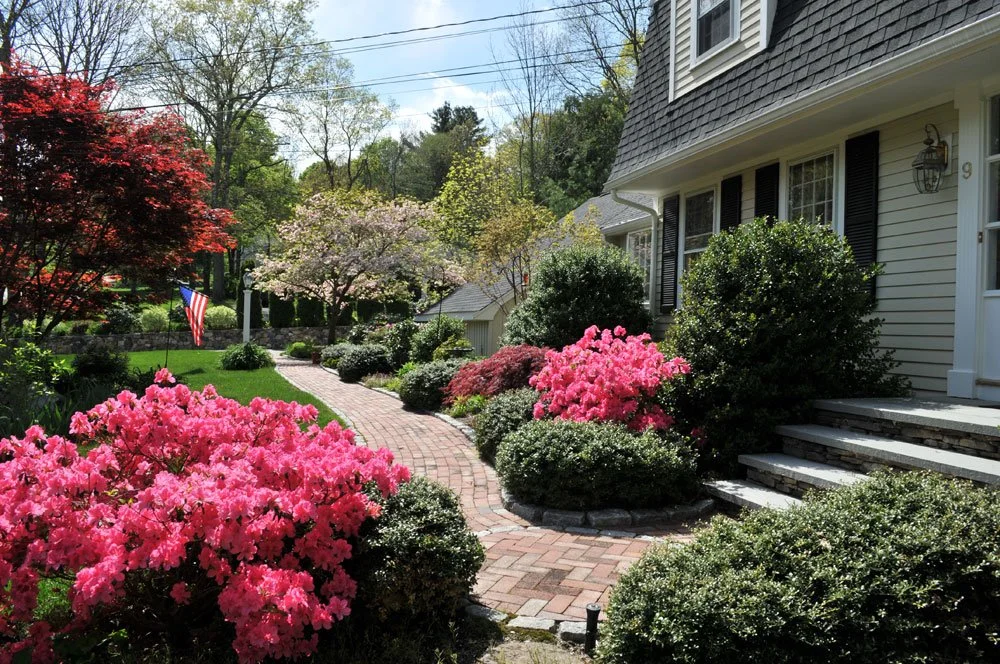
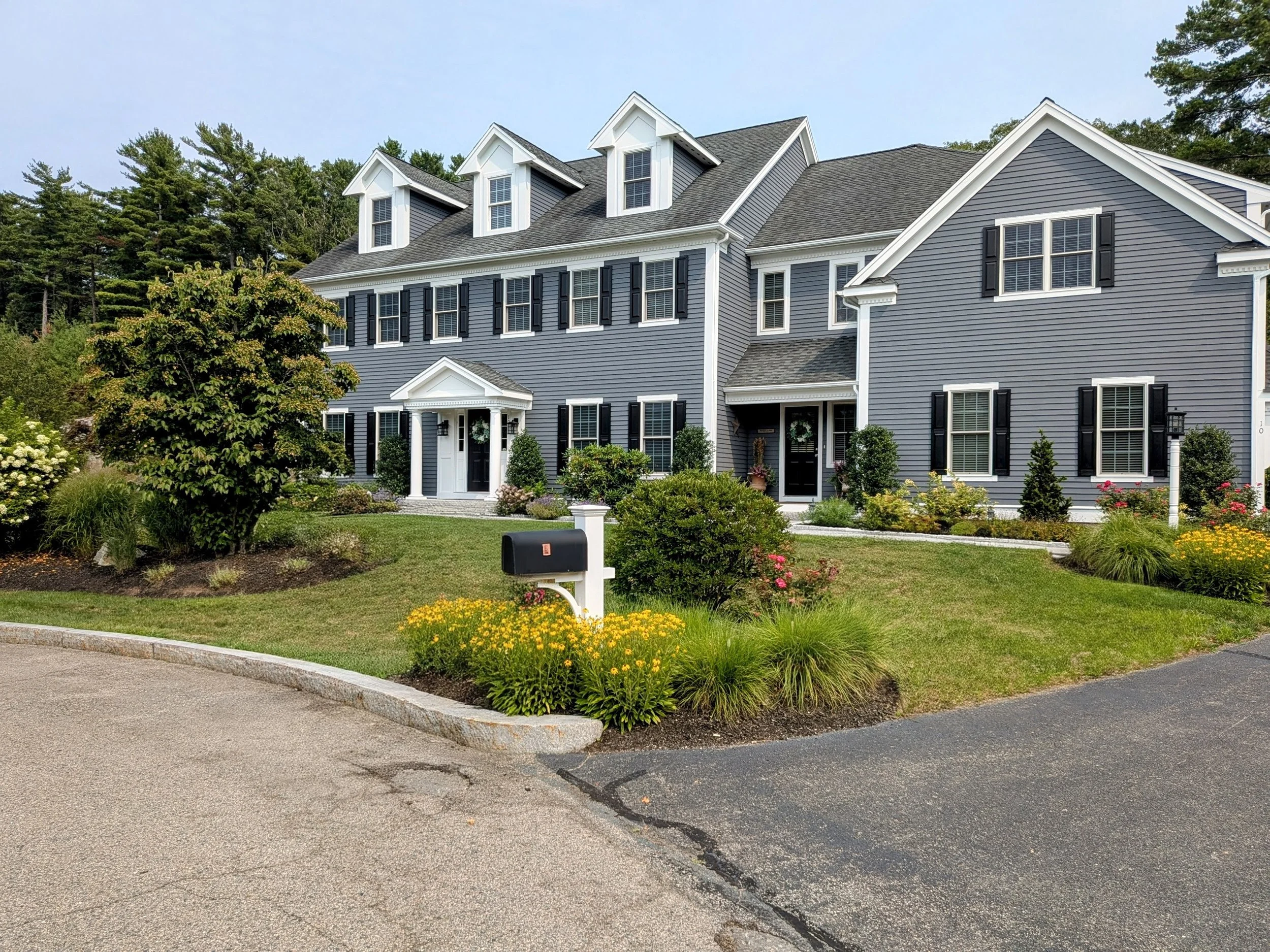
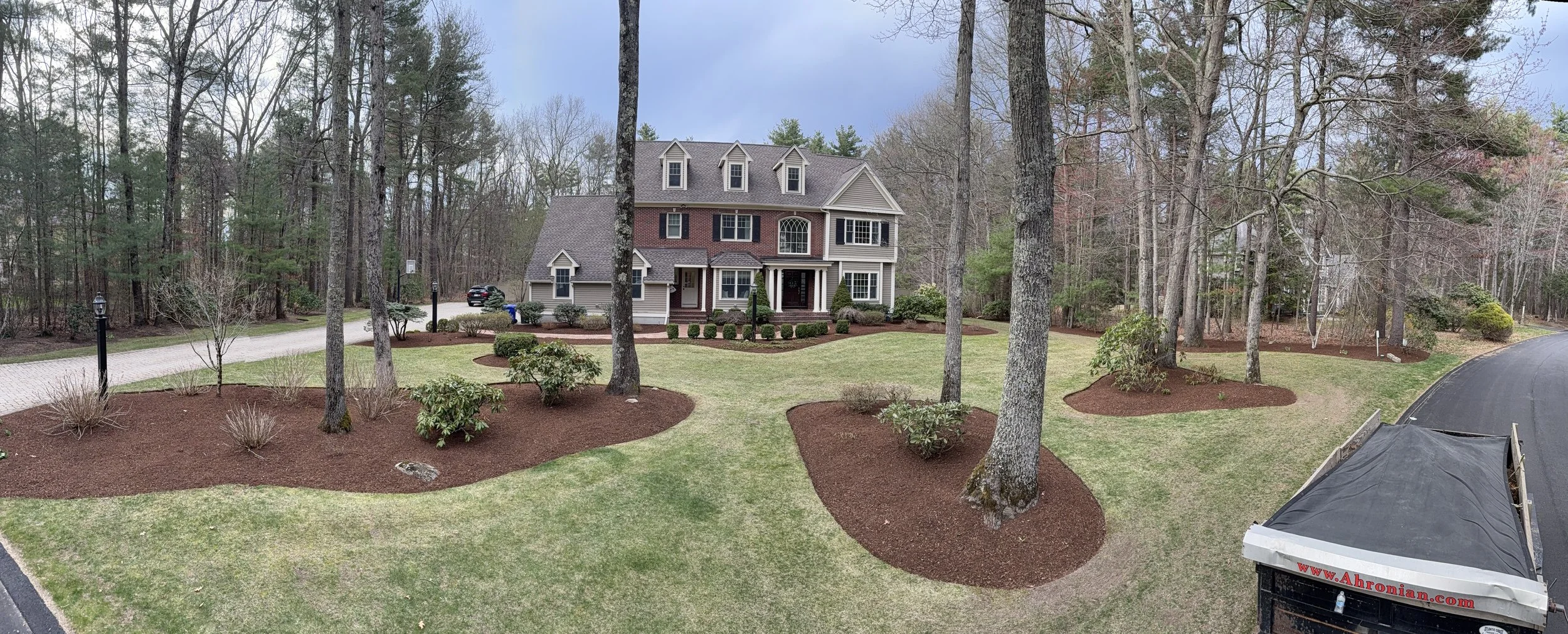
Ornamental trees for front yard landscaping located in Norfolk, MA

Front yard landscaping located in Holliston, MA
Why Choose Spring-Flowering Trees?
Spring-flowering trees are among the first plants to bring color and life back to your outdoor space after a long winter. Their blooms support early-season pollinators, fill the air with natural fragrance, and create an unforgettable focal point in any yard. These trees also set the tone for the entire growing season, providing lush greenery throughout summer and often delivering colorful foliage in the fall. They offer curb appeal, structure, and a sense of seasonal rhythm that enhances the beauty and functionality of your garden all year long.
Popular Options for New England Landscapes
Located in Holliston, at Ahronian Landscape & Design, we are proud to help the surrounding communities of Hopkinton, Sherborn, Dover, Wellesley, and Medfield and the rest of Massachusetts transform their landscapes each spring too. Bringing that charm and beautiful bloom we help Holliston see each year to life! And when it comes to ornamental trees - we are the specialist. Whether you’re refreshing an existing garden or starting from scratch, our team is here to help you make the most of spring with flowering trees that thrive in New England.
Top Spring-Flowering Ornamental Trees for New England Landscapes
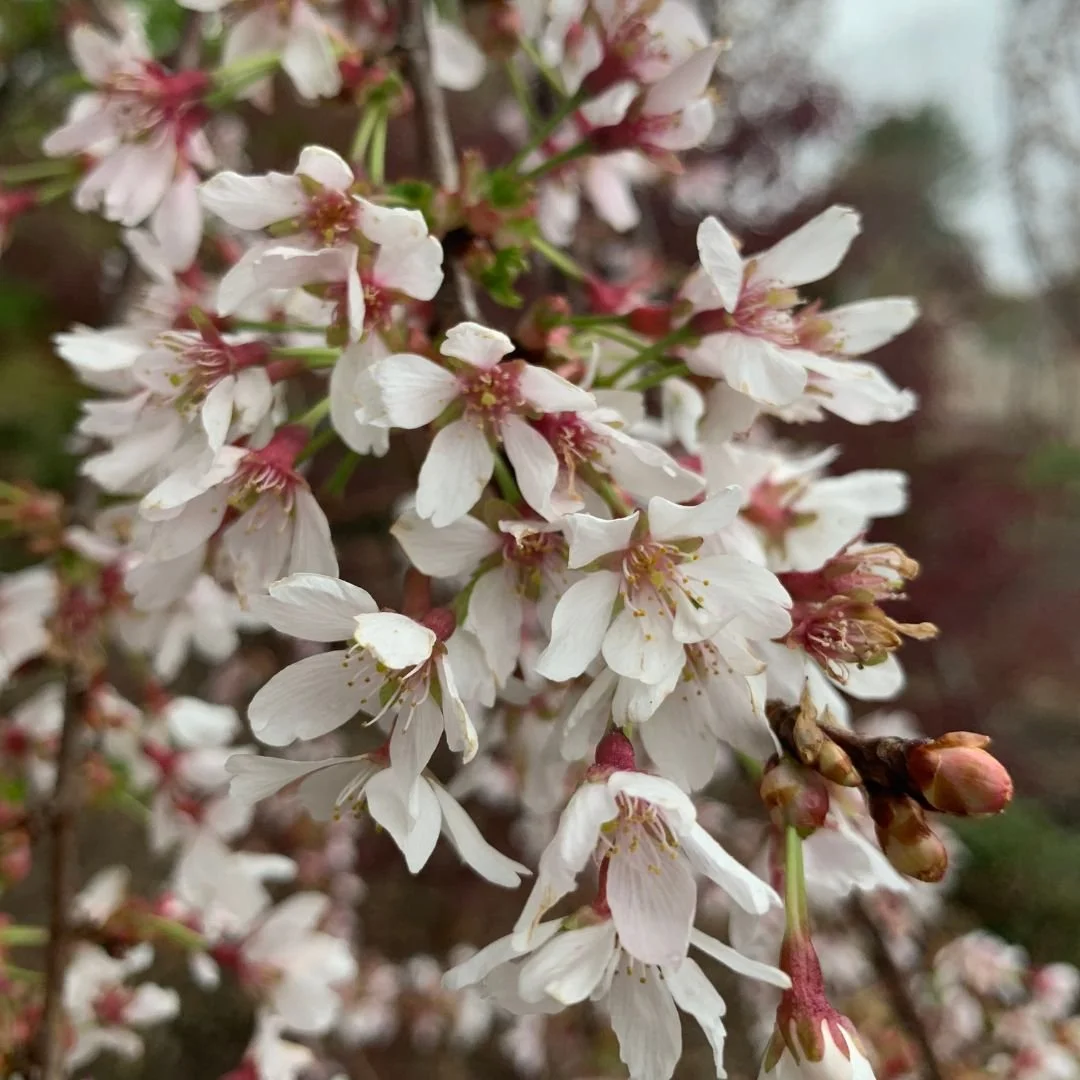
🌸 Cherry Trees
Bloom Time: Late March to early April
Blossom Color: Soft white or pink
Height: 8 to 35 feet
Best For: Small and large landscapes; weeping and dwarf varieties available for ornamental value
🌸 Redbud Trees
Bloom Time: April and May
Blossom Color: Pink, white, or red
Height: 20 to 30 feet
Best For: Compact yards; flowers bloom directly on branches before leaves emerge
🌸 Plum Trees
Bloom Time: March through May
Blossom Color: White or pink
Height: 5 to 20 feet
Best For: Small gardens; adds romantic charm and fits in tight spaces
🌸 Crabapple Trees
Bloom Time: April and May
Blossom Color: White, pink, or red
Height: 6 to 25 feet
Best For: Colorful blooms and fruit that attract birds later in the season
🌸 Magnolia Trees
Bloom Time: March through June (variety dependent)
Blossom Color: White, pink, purple, red, or yellow
Height: 15 to 60 feet
Best For: Making a dramatic statement with large, showy blooms
🌸 Dogwood Trees
Bloom Time: April through July
Blossom Color: White, pink, or red
Height: 20 to 40 feet
Best For: Front and back yards; offers layered structure and multi-season appeal
Bringing Your Landscape to Life
Spring-flowering ornamental trees are more than just decorative; they bring life, movement, and personality to your property. From the early bursts of color to the lush summer canopy and vibrant autumn tones, they offer something in every season. Their resilience after winter serves as a reminder of nature’s ability to renew and inspire.
At Ahronian Landscape & Design, we specialize in creating outdoor environments that are both beautiful and functional. If you’re thinking about enhancing your yard this season, our team can help you select and install the perfect flowering trees to complement your space.
Let’s make this spring unforgettable. Contact us today to schedule a consultation and start planning your landscape transformation.