

Pruning With Purpose: How Strategic Pruning Shapes Healthier, More Beautiful Landscapes
Discover how strategic pruning improves plant health, enhances landscape beauty, and protects your investment. Learn why professional shrub and tree pruning is an essential part of landscape maintenance.

Last summer, we explored the art and purpose of pruning and how this important landscape maintenance contributes to the health and appearance of your yard. While pruning may seem simple, as trimming branches or shaping shrubs, there is much more happening beneath the surface. Every cut influences a plant's future growth, health, structure, and appearance.
At Ahronian Landscaping & Design, we view pruning as both a science and an art. Proper pruning is not about making every plant smaller—it's about helping each plant thrive in its environment while contributing to the overall beauty of the landscape.
Not Every Plant Should Be Pruned the Same Way
One of the most common misconceptions about pruning is that all shrubs and trees can be treated similarly. In reality, every species has its own growth habits, flowering patterns, and maintenance needs.
Some shrubs bloom on old wood, meaning their flower buds are formed during the previous growing season. Others bloom on new wood and produce flowers on current-season growth. Pruning at the wrong time can remove flower buds and significantly reduce blooming for an entire year.
Understanding the specific needs of each plant allows pruning decisions to be made with confidence and purpose. This knowledge helps preserve the beauty of flowering shrubs while encouraging healthy future growth.
Timing Matters
Proper timing is one of the most important aspects of successful pruning.
Many homeowners are surprised to learn that summer and early fall can be ideal times to prune certain plants. Depending on the species, pruning during active growth can improve plant structure, remove damaged growth, and maintain the intended scale of the landscape.
Other plants benefit from dormant-season pruning, while some flowering shrubs should be pruned immediately after blooming. There is no one-size-fits-all approach.
By understanding each plant's growth cycle, pruning can be scheduled when it provides the greatest benefit and the least amount of stress.
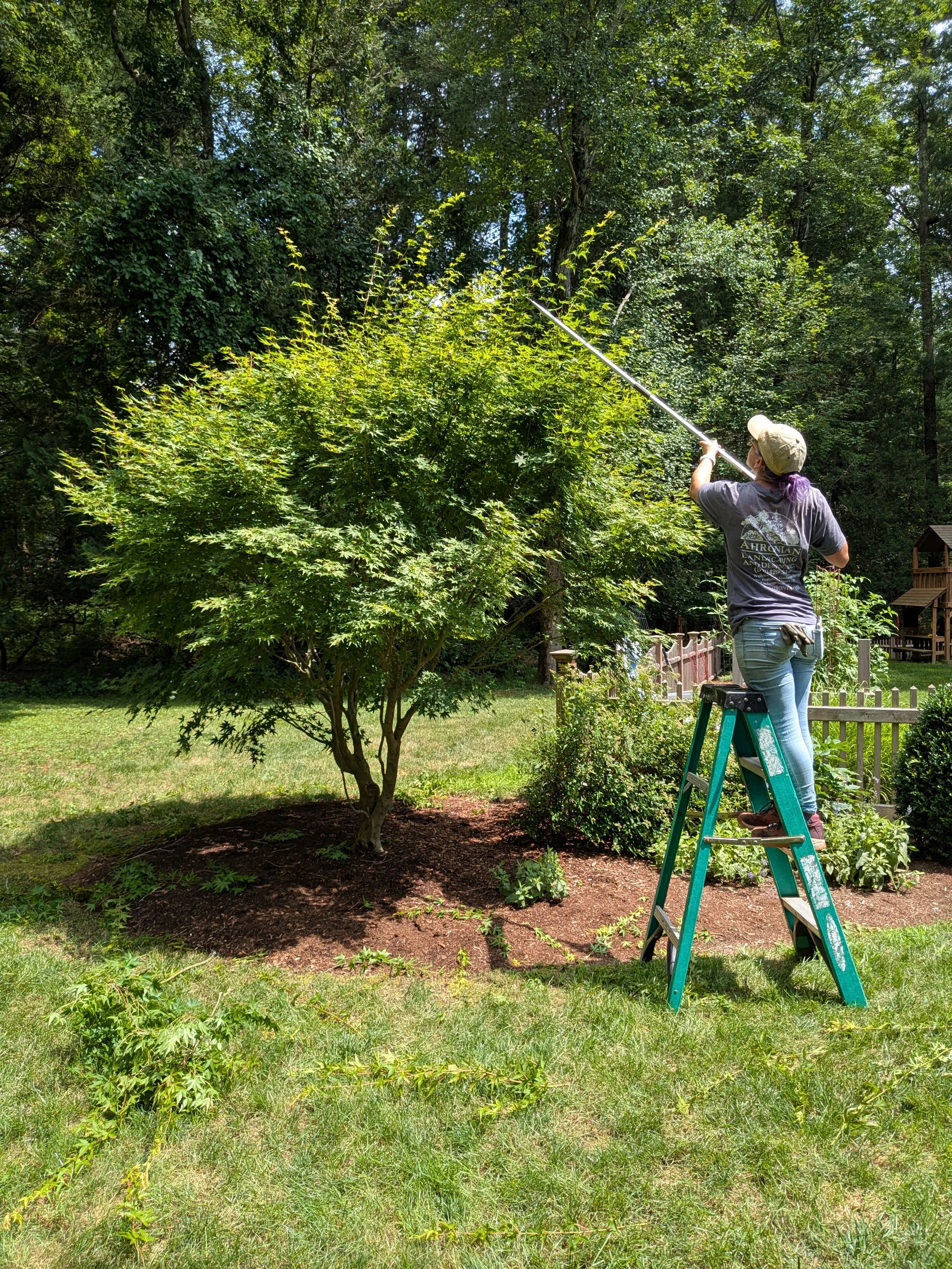
Pruning for Plant Health
One of the primary goals of pruning is improving plant health.
Removing dead, damaged, or diseased branches helps prevent the spread of decay and allows the plant to focus its energy on healthy growth. Pruning also improves airflow throughout the canopy, reducing excess moisture that can contribute to fungal diseases.
Better light penetration is another important benefit. When sunlight reaches interior branches and lower portions of the plant, growth remains fuller, healthier, and more balanced.
Over time, these health-focused pruning practices can significantly improve the vigor and longevity of trees and shrubs.
Pruning for Structure and Safety
Strategic pruning also helps create stronger, safer plants.
Crossing branches, weak attachments, and crowded growth can create structural problems that become more serious as plants mature. By identifying and correcting these issues early, pruning helps reduce the risk of breakage during storms, heavy snow, or high winds.
For trees, structural pruning can help establish strong branch architecture that supports healthy growth for decades. For shrubs, it helps maintain shape and prevent overcrowding.
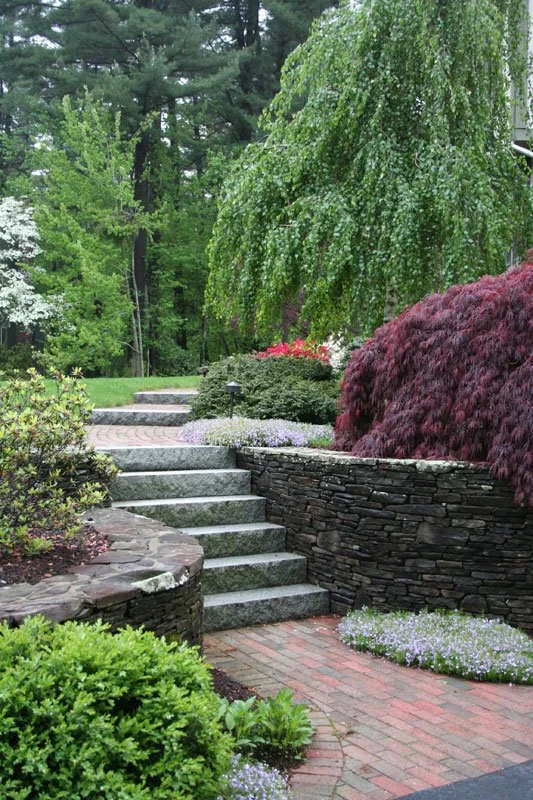
Supporting the Landscape Design
Pruning plays an important role in maintaining the original vision of a landscape.
Over time, even carefully selected plants can outgrow their spaces. Strategic pruning helps maintain proper scale, preserve views from windows, keep walkways accessible, and ensure that plants continue to complement surrounding trees, shrubs, and hardscape features.
A well-maintained landscape should feel balanced and intentional. Pruning helps preserve that balance as plants mature.
Common Pruning Mistakes
While pruning is beneficial, improper pruning can create long-term problems.
Some common mistakes include:
Shearing every shrub into the same shape, regardless of species
Pruning at the wrong time of year
Removing too much growth at once
Ignoring dead or damaged branches
Topping certain trees, which can weaken the structure and encourage unhealthy regrowth
These practices often create more work in the future and can negatively impact plant health and appearance.
Why Professional Pruning Matters
Effective pruning requires more than tools—it requires knowledge.
Professional pruning involves understanding plant identification, growth habits, flowering cycles, seasonal timing, and long-term landscape goals. It also provides an opportunity to monitor plant health and identify signs of pests, disease, or environmental stress before they become larger problems.
As part of a comprehensive landscape maintenance program, pruning helps protect your investment and allows your landscape to continue developing beautifully year after year.
Investing in Long-Term Beauty
A thriving landscape doesn't happen by accident. It requires consistent care, thoughtful planning, and attention to detail.
Pruning is one of the most valuable maintenance services you can provide for your trees, shrubs, and perennial plantings. When performed correctly, it encourages healthy growth, improves appearance, enhances safety, and helps your landscape reach its full potential.
At Ahronian Landscaping & Design, we approach pruning with purpose—using decades of horticultural experience to ensure every cut contributes to the long-term success of your landscape.
