
Pruning With Purpose: How Strategic Pruning Shapes Healthier, More Beautiful Landscapes
Discover how strategic pruning improves plant health, enhances landscape beauty, and protects your investment. Learn why professional shrub and tree pruning is an essential part of landscape maintenance.

Last summer, we explored the art and purpose of pruning and how this important landscape maintenance contributes to the health and appearance of your yard. While pruning may seem simple, as trimming branches or shaping shrubs, there is much more happening beneath the surface. Every cut influences a plant's future growth, health, structure, and appearance.
At Ahronian Landscaping & Design, we view pruning as both a science and an art. Proper pruning is not about making every plant smaller—it's about helping each plant thrive in its environment while contributing to the overall beauty of the landscape.
Not Every Plant Should Be Pruned the Same Way
One of the most common misconceptions about pruning is that all shrubs and trees can be treated similarly. In reality, every species has its own growth habits, flowering patterns, and maintenance needs.
Some shrubs bloom on old wood, meaning their flower buds are formed during the previous growing season. Others bloom on new wood and produce flowers on current-season growth. Pruning at the wrong time can remove flower buds and significantly reduce blooming for an entire year.
Understanding the specific needs of each plant allows pruning decisions to be made with confidence and purpose. This knowledge helps preserve the beauty of flowering shrubs while encouraging healthy future growth.
Timing Matters
Proper timing is one of the most important aspects of successful pruning.
Many homeowners are surprised to learn that summer and early fall can be ideal times to prune certain plants. Depending on the species, pruning during active growth can improve plant structure, remove damaged growth, and maintain the intended scale of the landscape.
Other plants benefit from dormant-season pruning, while some flowering shrubs should be pruned immediately after blooming. There is no one-size-fits-all approach.
By understanding each plant's growth cycle, pruning can be scheduled when it provides the greatest benefit and the least amount of stress.
Pruning for Plant Health
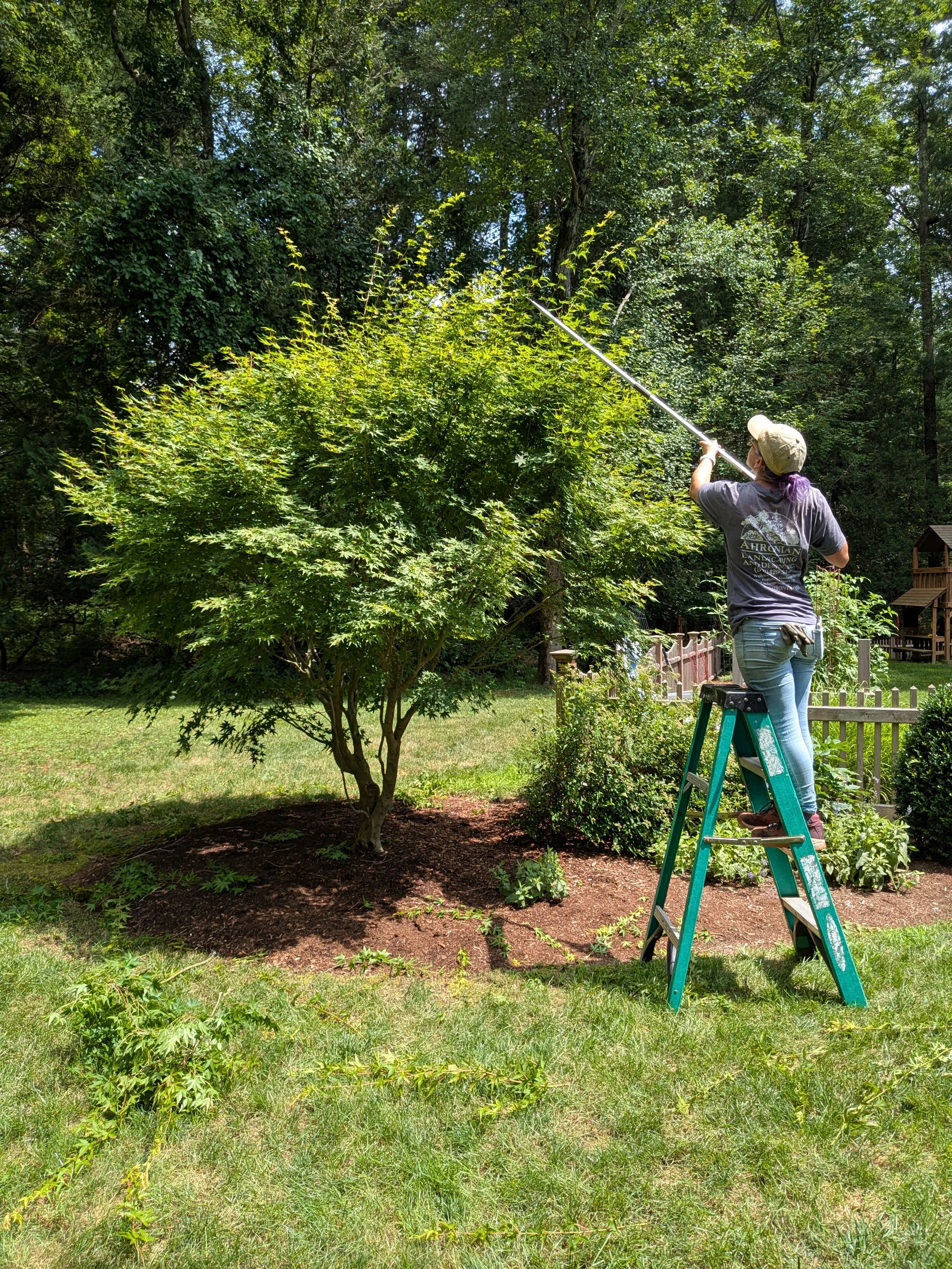
One of the primary goals of pruning is improving plant health.
Removing dead, damaged, or diseased branches helps prevent the spread of decay and allows the plant to focus its energy on healthy growth. Pruning also improves airflow throughout the canopy, reducing excess moisture that can contribute to fungal diseases.
Better light penetration is another important benefit. When sunlight reaches interior branches and lower portions of the plant, growth remains fuller, healthier, and more balanced.
Over time, these health-focused pruning practices can significantly improve the vigor and longevity of trees and shrubs.
Pruning for Structure and Safety
Strategic pruning also helps create stronger, safer plants.
Crossing branches, weak attachments, and crowded growth can create structural problems that become more serious as plants mature. By identifying and correcting these issues early, pruning helps reduce the risk of breakage during storms, heavy snow, or high winds.
For trees, structural pruning can help establish strong branch architecture that supports healthy growth for decades. For shrubs, it helps maintain shape and prevent overcrowding.
Supporting the Landscape Design
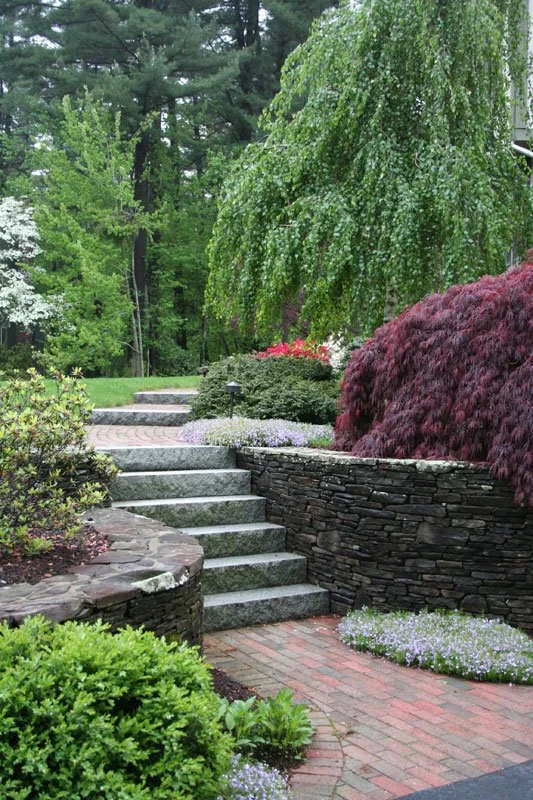
Pruning plays an important role in maintaining the original vision of a landscape.
Over time, even carefully selected plants can outgrow their spaces. Strategic pruning helps maintain proper scale, preserve views from windows, keep walkways accessible, and ensure that plants continue to complement surrounding trees, shrubs, and hardscape features.
A well-maintained landscape should feel balanced and intentional. Pruning helps preserve that balance as plants mature.
Common Pruning Mistakes
While pruning is beneficial, improper pruning can create long-term problems.
Some common mistakes include:
Shearing every shrub into the same shape, regardless of species
Pruning at the wrong time of year
Removing too much growth at once
Ignoring dead or damaged branches
Topping certain trees, which can weaken the structure and encourage unhealthy regrowth
These practices often create more work in the future and can negatively impact plant health and appearance.
Why Professional Pruning Matters
Effective pruning requires more than tools—it requires knowledge.
Professional pruning involves understanding plant identification, growth habits, flowering cycles, seasonal timing, and long-term landscape goals. It also provides an opportunity to monitor plant health and identify signs of pests, disease, or environmental stress before they become larger problems.
As part of a comprehensive landscape maintenance program, pruning helps protect your investment and allows your landscape to continue developing beautifully year after year.
Investing in Long-Term Beauty
A thriving landscape doesn't happen by accident. It requires consistent care, thoughtful planning, and attention to detail.
Pruning is one of the most valuable maintenance services you can provide for your trees, shrubs, and perennial plantings. When performed correctly, it encourages healthy growth, improves appearance, enhances safety, and helps your landscape reach its full potential.
At Ahronian Landscaping & Design, we approach pruning with purpose—using decades of horticultural experience to ensure every cut contributes to the long-term success of your landscape.


Mountain Laurel: A Show-Stopper for Yard Landscapes and Gardens
Add stunning color with native Mountain Laurel! Explore pink Mountain Laurel varieties for your yard landscape design with Ahronian Landscape.

As you plan your spring and early summer landscape updates, now is the perfect time to spotlight one of New England’s most breathtaking native plants —The Mountain Laurel plant (Kalmia latifolia). Blooming in full force right now, Mountain Laurel brings unmatched beauty to any garden and yard landscape with its intricate flowers, evergreen foliage, and versatile sizing options.
Whether you’re working with open garden beds or rock gardens, there’s a variety that will work beautifully in your space. We’ve captured this season’s blooming beauties right here in our own yard — both the classic ‘Fuscata’ and its charming dwarf counterpart, ‘Minuet’.

Why Mountain Laurel for Your Yard Landscape?
With its showy, star-like flowers, the Mountain Laurel shrub is a stunning focal point through all four seasons. Native to the eastern United States, this evergreen is cold-hardy, deer-resistant, and perfect for adding color, texture, and structure to your yard landscape.
It thrives in partial shade and acidic, well-drained soil — making it ideal for woodland gardens, shady borders, or anywhere you want to introduce bold, native charm. Plus, its flowers attract pollinators like bees and butterflies, supporting local ecosystems while beautifying your space.
Key Characteristics for the Mountain Laurel Plant
Foliage: Dense, glossy green leaves that stay vibrant year-round
Flowers: Clusters of intricately formed blooms in white, pink, or red hues, usually appearing in late spring
Pest & Disease Resistance: Generally low-maintenance with strong resistance to common pests
Wildlife Benefit: Attracts pollinators and provides shelter for birds and beneficial insects

Meet the Varieties
🌸 ‘Fuscata’ – A tall, classic Mountain Laurel that can grow up to 10 feet high. It boasts dramatic clusters of light pink flowers with deep red accents — perfect as a backdrop or statement shrub in larger landscape beds.
🌸 ‘Minuet’ – A compact, dwarf variety that matures at around 3 feet tall. Though small in size, it produces similar striking blooms to its larger cousin. Ideal for rock gardens, small borders, or under windows where height matters.
Both varieties are in peak bloom now at our yard, offering a firsthand look at their visual impact and garden potential.
Ideal Yard Landscape Uses
✔ Foundation Planting – Add evergreen appeal near your home while enjoying seasonal blooms
✔ Woodland & Shade Gardens – Naturally thrives in dappled light conditions
✔ Rock Gardens – Especially the dwarf ‘Minuet’, which offers color and texture without overwhelming small spaces
✔ Pollinator Gardens – Flowers draw in bees and other beneficial insects during the blooming season
✔ Evergreen Structure – Provides year-round form and greenery in beds that may otherwise go dormant in winter
Mountain Laurel Care & Maintenance
Mountain Laurel prefers acidic, well-drained soils and does best in partial shade. Once established, it’s relatively low-maintenance — requiring only occasional pruning to maintain its shape and remove spent blooms. Be mindful that while Mountain Laurel is beautiful, it is also toxic if ingested, so consider pet placement when planning.
Invest in Seasonal and Structural Beauty
By incorporating Mountain Laurel into your garden design, you’re adding more than seasonal color — you’re investing in a reliable presence that transforms with the seasons. Whether you’re drawn to the full-size elegance of ‘Fuscata’ or the petite charm of ‘Minuet’, this native shrub brings timeless character to your landscape.
📍 Contact us to start planning your own Mountain Laurel installation.
At Ahronian Landscaping, we’ll help you design a space that looks stunning now and lasts beautifully year-round.

Why Choosing an MCH-Certified Designer Makes a Difference for Your Landscape
Discover why working with Massachusetts Certified Horticulturists (MCHs) sets Ahronian Landscaping apart. Learn how their expertise ensures beautiful, sustainable, and expertly designed landscapes.

Why Choosing an MCH-Certified Designer Makes a Difference for Your Landscape
When it comes to designing and maintaining a stunning and functional yard, expertise matters. At Ahronian Landscaping, we pride ourselves on having a team of Massachusetts Certified Horticulturists (MCHs), a designation that sets us apart in the landscaping industry. But what exactly does it mean to work with an MCH, and why is it important for your yard? Let’s dig in.
What is an MCH Certification?
The Massachusetts Certified Horticulturist (MCH) designation is the highest certification offered by the Massachusetts Nursery and Landscape Association (MNLA). Achieving this title requires rigorous training, extensive knowledge, and a commitment to excellence in all aspects of horticulture and landscape design. It’s not just a title—it’s a mark of a true professional dedicated to the craft and science of landscaping.
The Rigorous Certification Process
Earning the MCH designation isn’t easy. Candidates must pass a comprehensive exam that evaluates their expertise across a wide range of industry topics. These include identifying and naming over 300 plant species by their common and botanical names, mastering landscape design principles and practices, understanding pest management and plant health care, and being knowledgeable in irrigation systems, water management, hardscaping techniques, pruning, planting, and weed control. The exam combines practical and theoretical components, ensuring MCHs have hands-on experience and a deep understanding of the science behind successful landscaping. Once certified, professionals must complete continuing education to maintain their certification and stay updated on the latest trends and techniques in the field.
Ahronian Landscaping: Leaders in the Industry
At Ahronian Landscaping, MCH certification isn’t just a credential—it’s a commitment to excellence. Every one of our designers holds this prestigious designation, ensuring that your project is handled by the best in the business. Our team is actively involved with the MNLA, with our founder serving as a past president, Dave as the Membership Chair, Chris contributing to the Education Committee, and Amber as a reporter for Pro Grow News, the MNLA’s professional magazine. This deep involvement reflects our dedication to improving not only our craft but also elevating the entire landscaping industry.

Why MCH Certification Matters for Your Landscape
When you work with an MCH-certified designer, you’re gaining access to a level of expertise that goes beyond ordinary landscaping. MCHs use their extensive knowledge to create personalized designs tailored to the unique features of your property. Their deep understanding of plant health care, pest management, and soil science ensures that your plants will thrive for years to come. They also prioritize eco-friendly solutions for irrigation and weed control, benefiting both the environment and your budget. Most importantly, their advanced training guarantees that your landscape will not only be beautiful but also functional and enduring.
Experience the MCH Difference with Ahronian Landscaping
Your yard deserves the best, and at Ahronian Landscaping, we’re proud to offer unmatched expertise through our team of Massachusetts Certified Horticulturists. Whether you’re dreaming of a lush garden, a functional outdoor living space, or a complete yard transformation, we have the knowledge and experience to bring your vision to life. Contact us today to schedule a consultation and see the difference an MCH-certified designer can make. Your dream landscape is closer than you think. Let’s grow together!