
Plant This Fall, Enjoy It Next Spring: Why Autumn Is the Perfect Time to Transform Your Landscape
Discover why fall planting gives perennials, shrubs, trees, and grasses a head start for spring and creates beautiful seasonal interest in your Massachusetts landscape.
Spring may get most of the attention when it comes to gardening, but experienced landscapers know that some of the best spring landscapes actually begin in the fall.
At Ahronian Landscaping & Design, we continue installing plantings well into autumn—right up until the ground freezes when conditions allow. Cooler temperatures create favorable conditions for establishing many perennials, shrubs, trees, and other landscape plants, making fall planting an opportunity to improve your property now and give your new landscape a head start for the year ahead.
Instead of waiting until everything begins growing again next spring, consider what you would like to see outside your windows when the warmer weather returns.
Why Is Fall Such a Good Time for Planting?
Last fall, we discussed why autumn is an excellent season for planting trees. Many of those same advantages apply to other types of landscape plantings.
As temperatures cool, plants experience less environmental stress than they do during the heat of summer. Cooler weather also means less water is lost through evapotranspiration—the combined process of water evaporating from the soil and being released through plant leaves.
That allows moisture to remain available to newly installed plants for longer periods. Although proper watering is still essential after installation and should continue as conditions require until the ground freezes, autumn conditions can make establishing new plantings more manageable.
Most importantly, fall planting gives root systems valuable time to begin establishing before winter. While visible growth slows as plants approach dormancy, the work happening below ground helps prepare them for the next growing season.
Give Your Spring Landscape a Head Start
Imagine your property during next year's first spring clean-up.
Fresh mulch defines the garden beds. Perennials begin emerging from the soil. Flowering shrubs start developing new growth, and ornamental trees prepare to leaf out and bloom.
By completing your landscape plantings in the fall, much of the foundation for that transformation is already in place. Instead of beginning a planting project after spring arrives, established plants are ready to respond as temperatures warm.
Fall can be an excellent time to introduce new garden beds, enhance existing foundation plantings, fill gaps in the landscape, or rethink areas that did not perform as well as you hoped during the summer.
Fall Plantings Offer Beauty Right Away, Too
Planting for next spring doesn't mean sacrificing interest this fall.
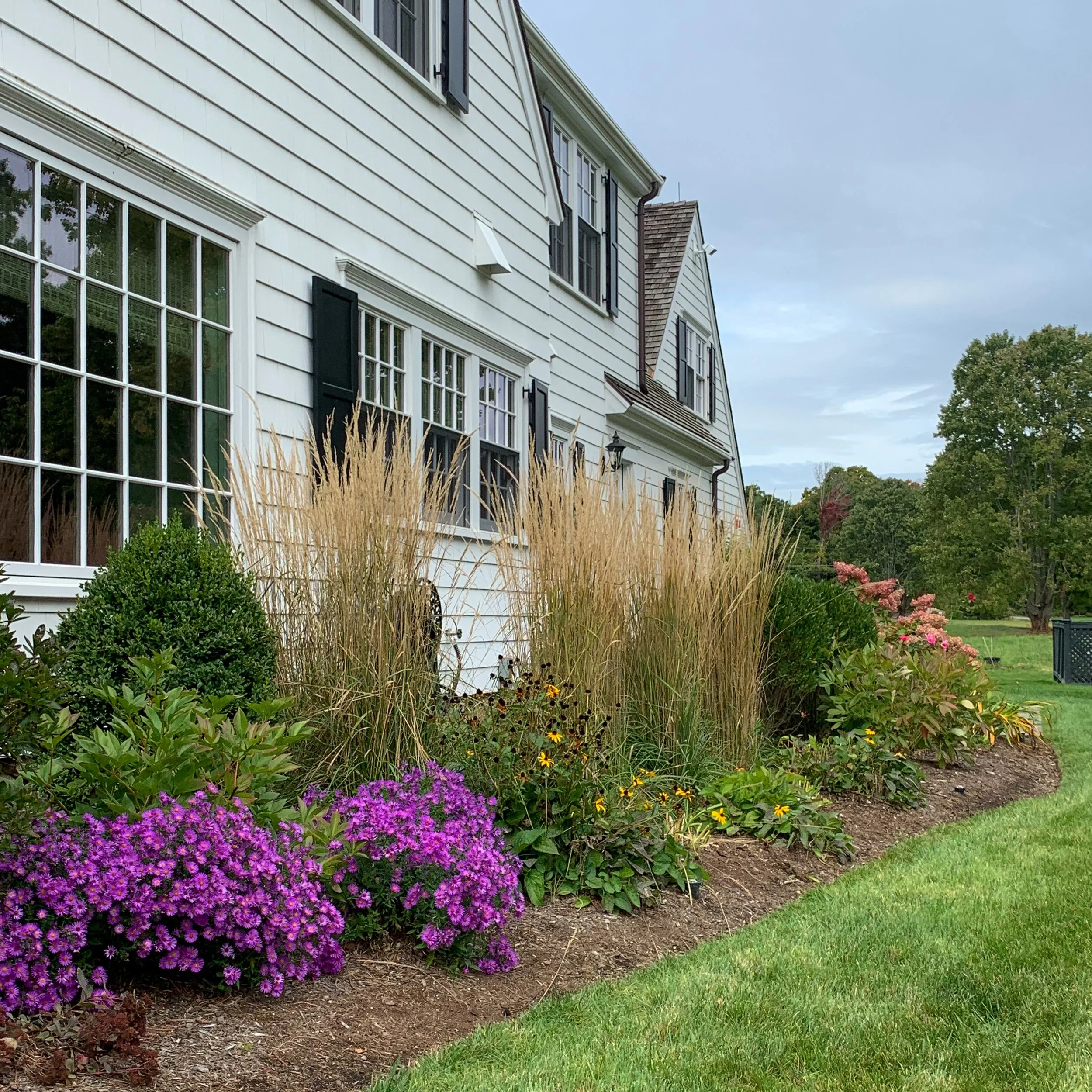
There are plenty of plants that bring color and texture to the autumn landscape. Late-flowering perennials such as asters, sedum, and anemones can extend garden color after many summer favorites have finished blooming.
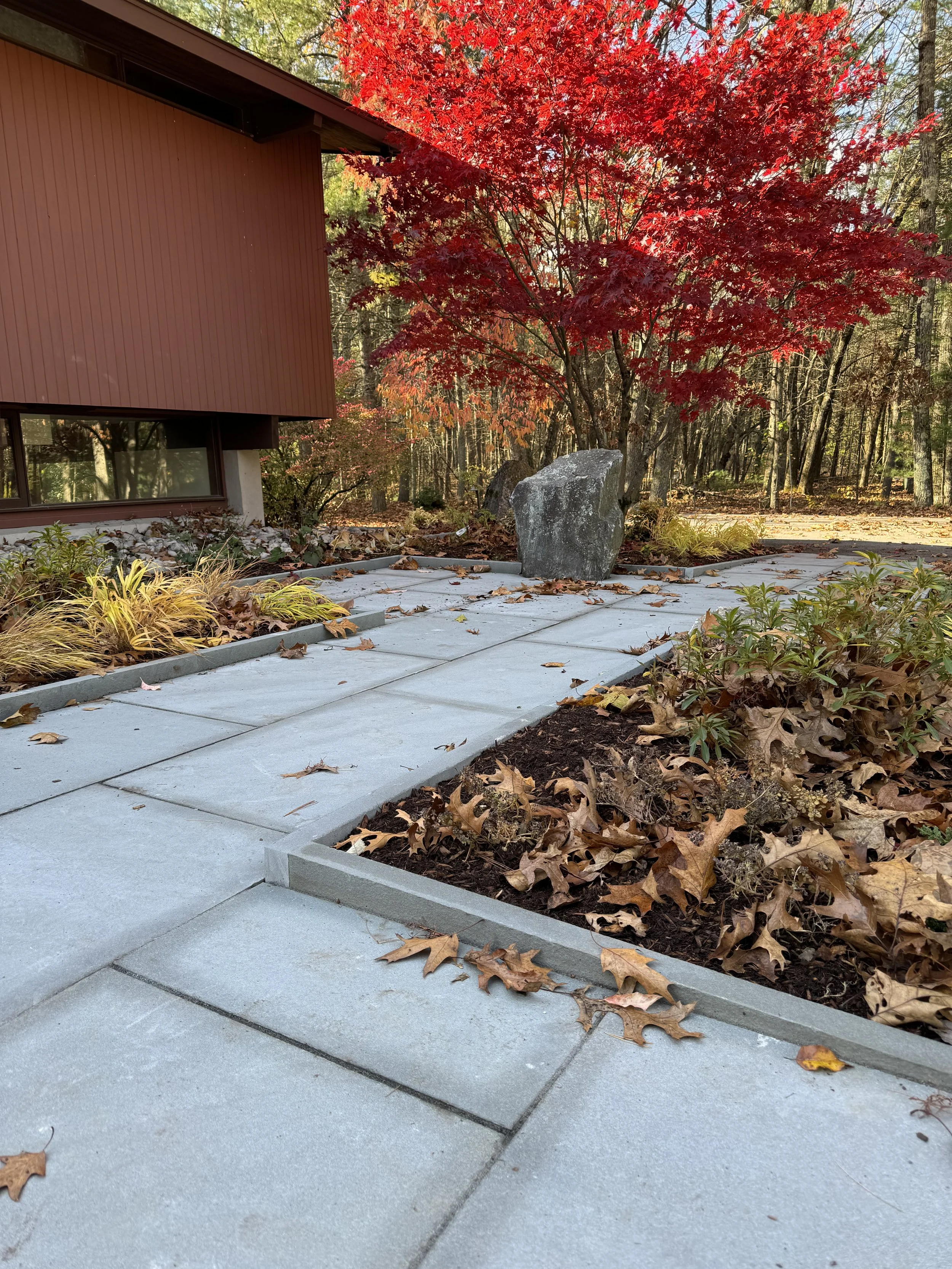
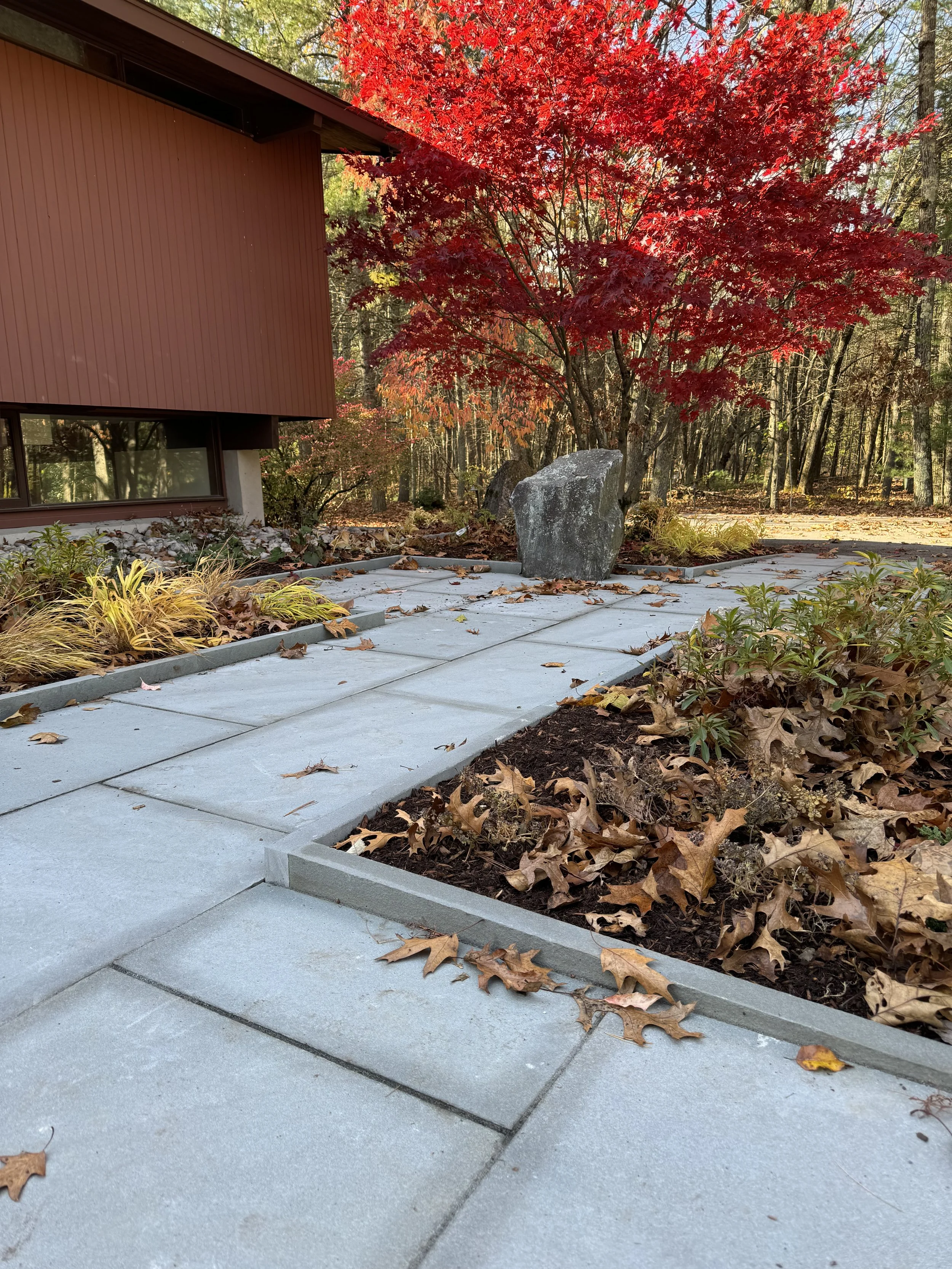
Foliage adds another dimension. The brilliant reds of maples and the golden-yellow foliage of ginkgo trees can create striking seasonal focal points, while plants such as andromeda can contribute colorful new growth.
Ornamental grasses offer yet another layer. Their fall tassels introduce texture and movement into planting beds and complement the changing colors around them.
Together, these plants demonstrate an important principle of thoughtful landscape design: a garden shouldn't be designed for only one moment of the year.
Think Beyond Individual Plants
A successful planting design isn't simply about choosing plants you like. It's about understanding how they will work together.
Trees can establish the upper layer and provide structure. Shrubs add volume and seasonal interest. Perennials introduce changing flowers and foliage, while ornamental grasses contribute movement and texture.
Height, mature size, bloom sequence, sun exposure, soil conditions, drainage, and spacing all need to be considered. Choosing the right plant for the right location helps create healthier landscape plantings while reducing problems caused by overcrowding or unsuitable growing conditions later.
Planning combinations carefully also creates a landscape where something interesting is happening throughout multiple seasons—not simply during the peak of summer.
Don't Assume You've Missed the Planting Season
Once summer ends, it's easy to assume landscape projects need to wait until spring. In reality, the fall planting season can continue much later than many homeowners expect. At Ahronian Landscaping & Design, we can continue planting until the ground freezes when conditions are suitable.
That makes autumn a valuable window for completing planting projects while taking advantage of cooler temperatures and allowing new plants to begin establishing before spring.
It is also an ideal time to look critically at your property while this year's landscape is still fresh in your mind. Where could you use more color? Is a foundation bed missing structure? Would flowering shrubs improve the view from your windows? Could an ornamental tree create a new focal point? Are there areas that seem empty after summer flowers fade?
Those observations can become the foundation of a stronger landscape design.
Plant Now for the Landscape You'll Love Next Year
One of the joys of landscaping is watching a thoughtfully designed property mature from season to season. What you plant this October isn't only about how your yard looks today. It's an investment in next spring, next summer, and many seasons beyond.
With colorful perennials, flowering shrubs, ornamental trees, evergreens, grasses, and carefully planned combinations, fall planting can transform an existing landscape and set the stage for a beautiful return in spring.
At Ahronian Landscaping & Design, we help homeowners select and install plants with their long-term growth, seasonal interest, and overall landscape in mind. Don't wait for spring to start imagining a more beautiful yard—the perfect time to begin may be this fall.
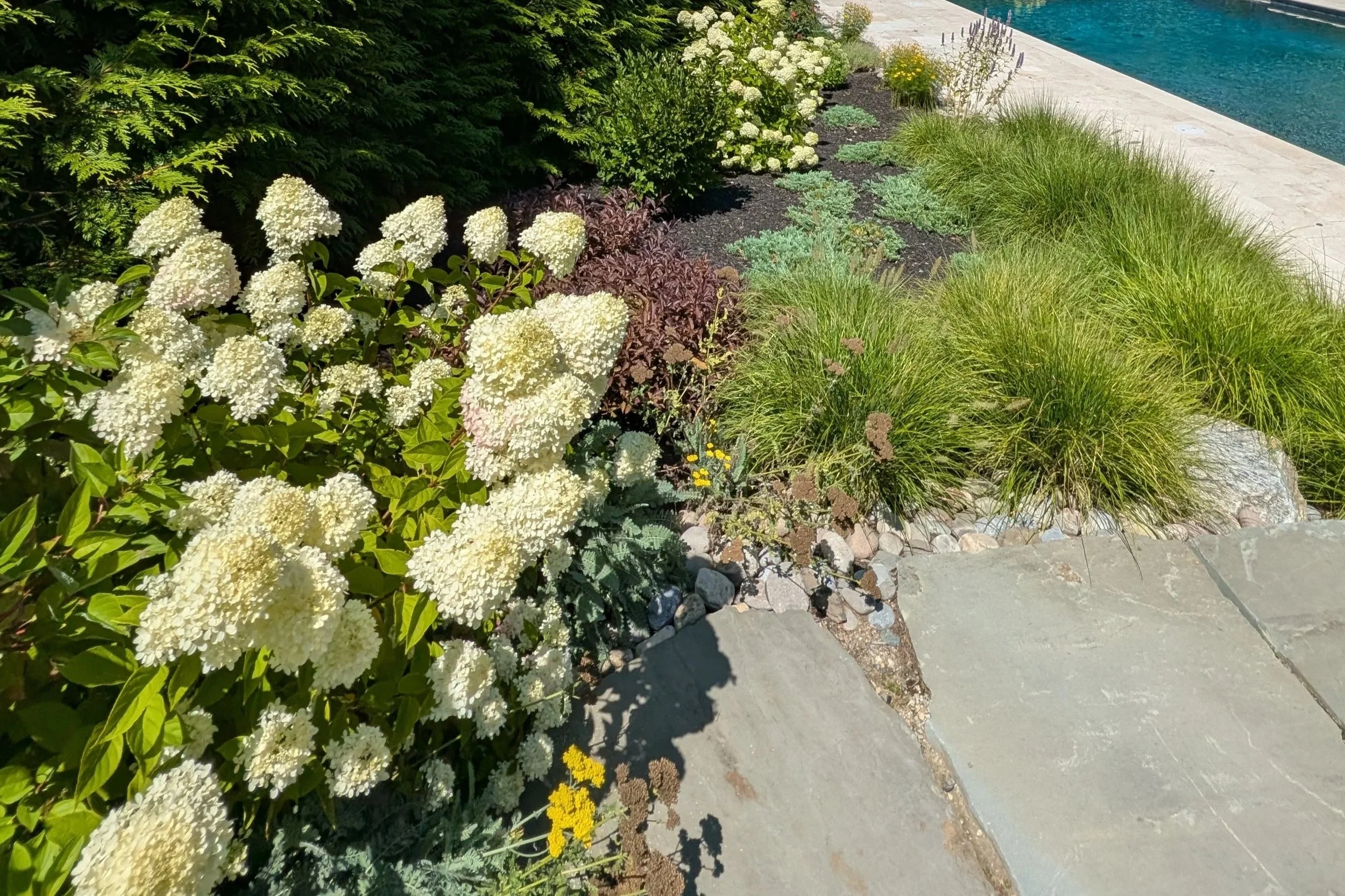
Hydrangeas: The Show-Stopping Favorites of New England Landscapes
Hydrangeas are the stars of New England landscape design. Discover their stunning colors, long bloom time, and how expert garden design and care can help these beloved shrubs thrive all season long.
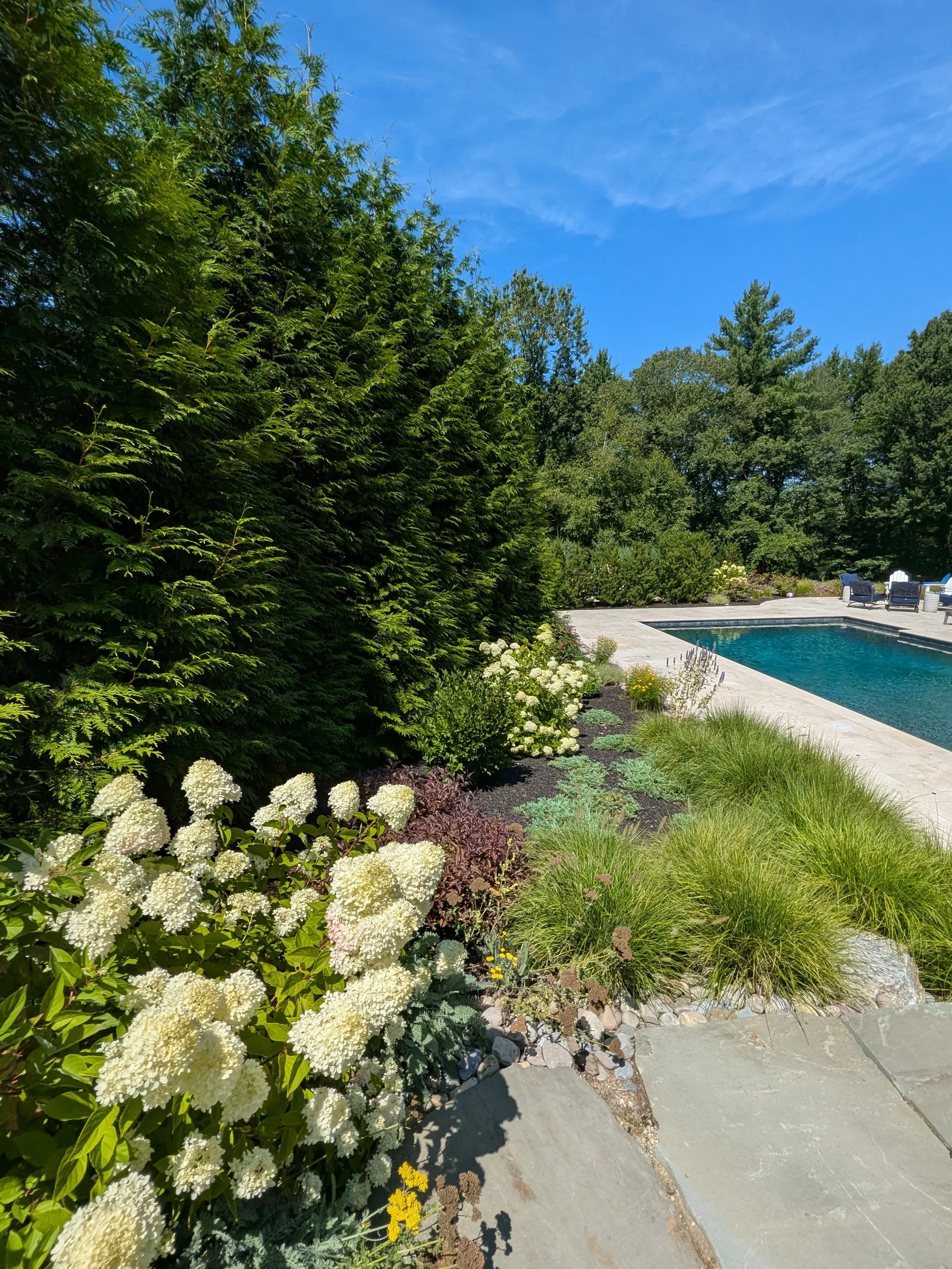
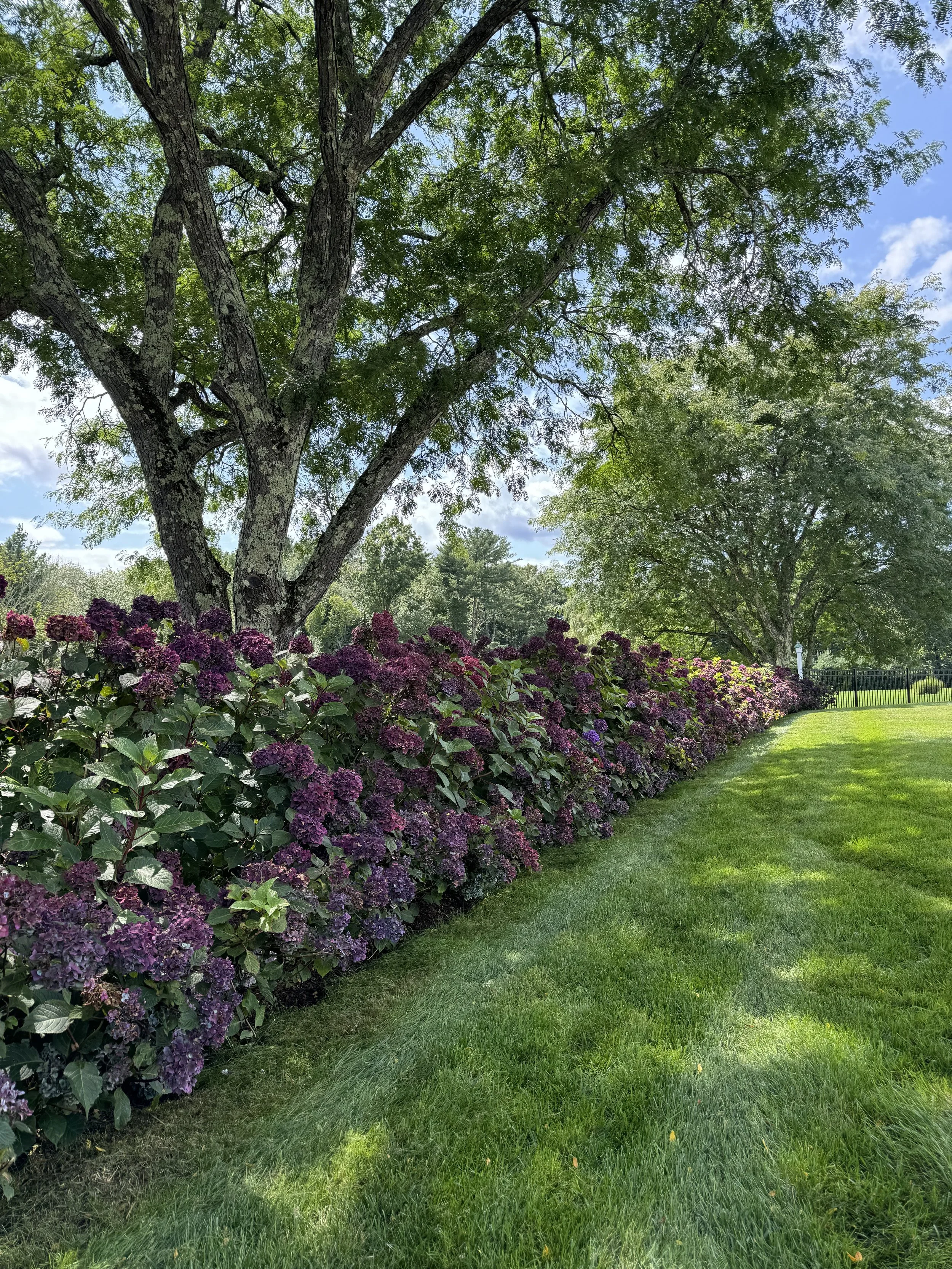
It’s no surprise that hydrangeas top our list of most-planted shrubs each year—this season alone, our team at Ahronian Landscaping & Design installed over 130 of them! Loved for their large, colorful blooms, versatility, and timeless charm, hydrangeas are a staple of classic landscape design. Whether you prefer the elegance of tree-form varieties or the compact beauty of dwarf options, there’s a hydrangea for every yard and every homeowner.
Endless Variety: Size, Shape, and Color
One of the reasons hydrangeas are so beloved is their incredible diversity. They come in an array of sizes, shapes, and hues—each offering something special to the landscape.
A Multitude of Sizes – From small, tidy dwarf varieties perfect for borders or containers to striking tree-form hydrangeas that create stunning focal points, there’s a form for every setting.
A Palette of Colors – Hydrangeas bloom in shades of white, pink, blue, and purple. Some varieties, like the popular Vanilla Strawberry Hydrangea, shift color through the season—from creamy white to soft pink as temperatures change.
Beautiful Bloom Forms – Their showy blossoms come in a range of shapes—round mopheads, delicate lace caps, or elongated conical clusters—each adding texture and drama to the garden.
Long Blooming Season – Hydrangeas are among the longest bloomers in the garden, brightening landscapes from early summer into fall.
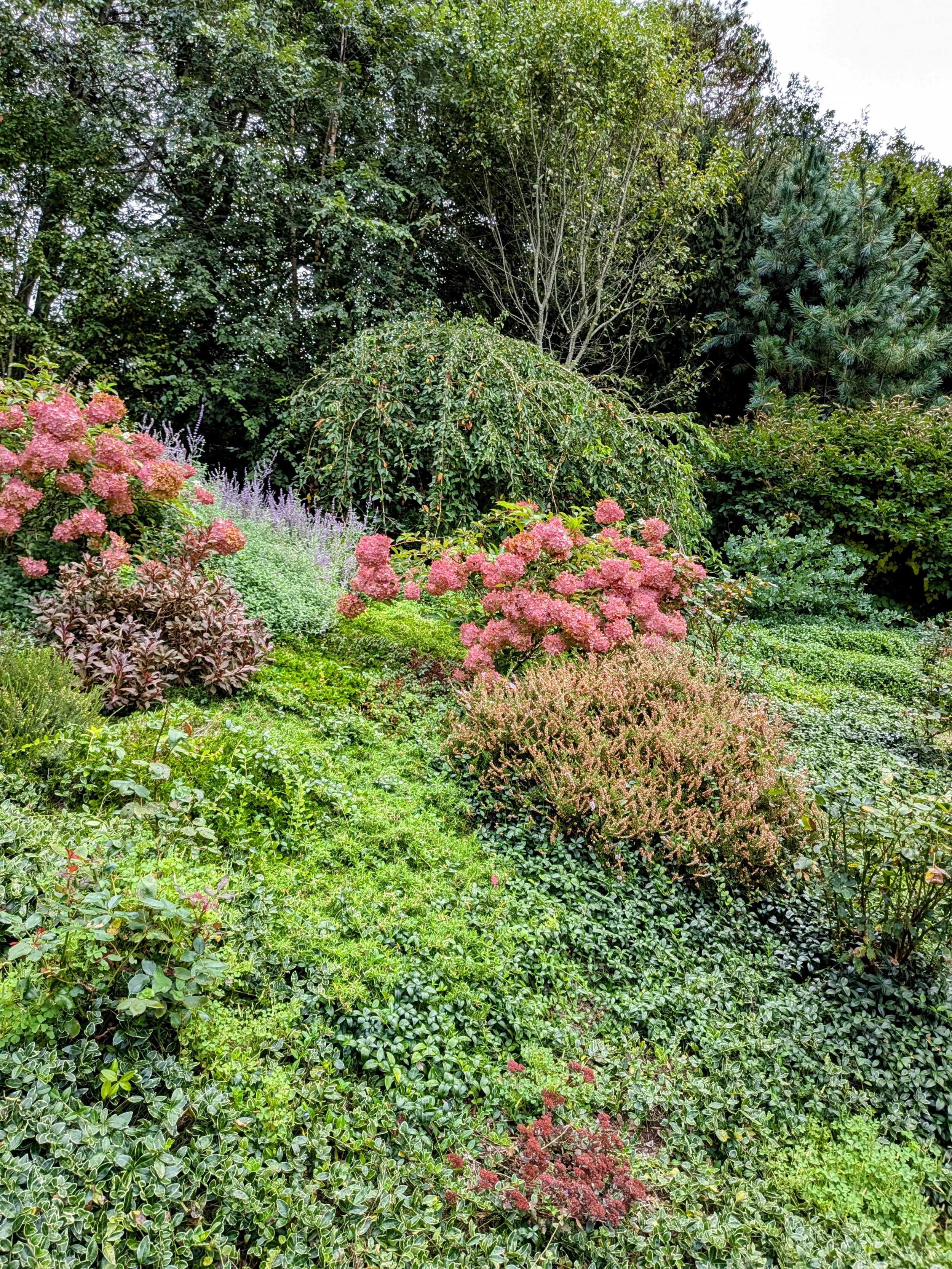
Choosing the Right Hydrangea for Your Landscape
With so many hydrangea varieties, thoughtful garden design is key. Each species has unique growing preferences, from sunlight to moisture levels.
Sun or Shade? – Some hydrangeas thrive in partial shade, while others prefer full sun. Oakleaf hydrangeas, for example, can handle more shade and are easily recognized by their lobed leaves that resemble those of an oak tree.
Plan for Size – Picking the right plant for the right place prevents overgrowth, especially near foundations or walkways. Dwarf varieties like Bobo or Let’s Dance are perfect for smaller spaces, while larger types fill out mixed borders beautifully.
Design Versatility – Hydrangeas look stunning just about anywhere—along the foundation of a home, near a pool area, or in layered garden beds. They’re equally eye-catching when planted in rows or as standalone accents.
Care and Maintenance Tips
Hydrangeas are deciduous shrubs, meaning they lose their leaves in winter, but with the right care, they’ll return each year even more vibrant. Here are a few essentials for success:
Pruning Matters – Each hydrangea species has different pruning needs, depending on whether it blooms on old wood, new wood, or both. Having a professional who can identify your hydrangea type ensures it’s pruned at the right time and in the right way.
Deer Awareness – Deer love hydrangeas, so if your property isn’t fenced or you live in an area with high deer pressure, it’s important to apply repellent regularly to protect your investment.
Soil and pH – Soil acidity can affect bloom color. In some species, more acidic soils produce blue flowers, while alkaline soils bring out pink and purple tones. A soil test can help you achieve the shades you love.
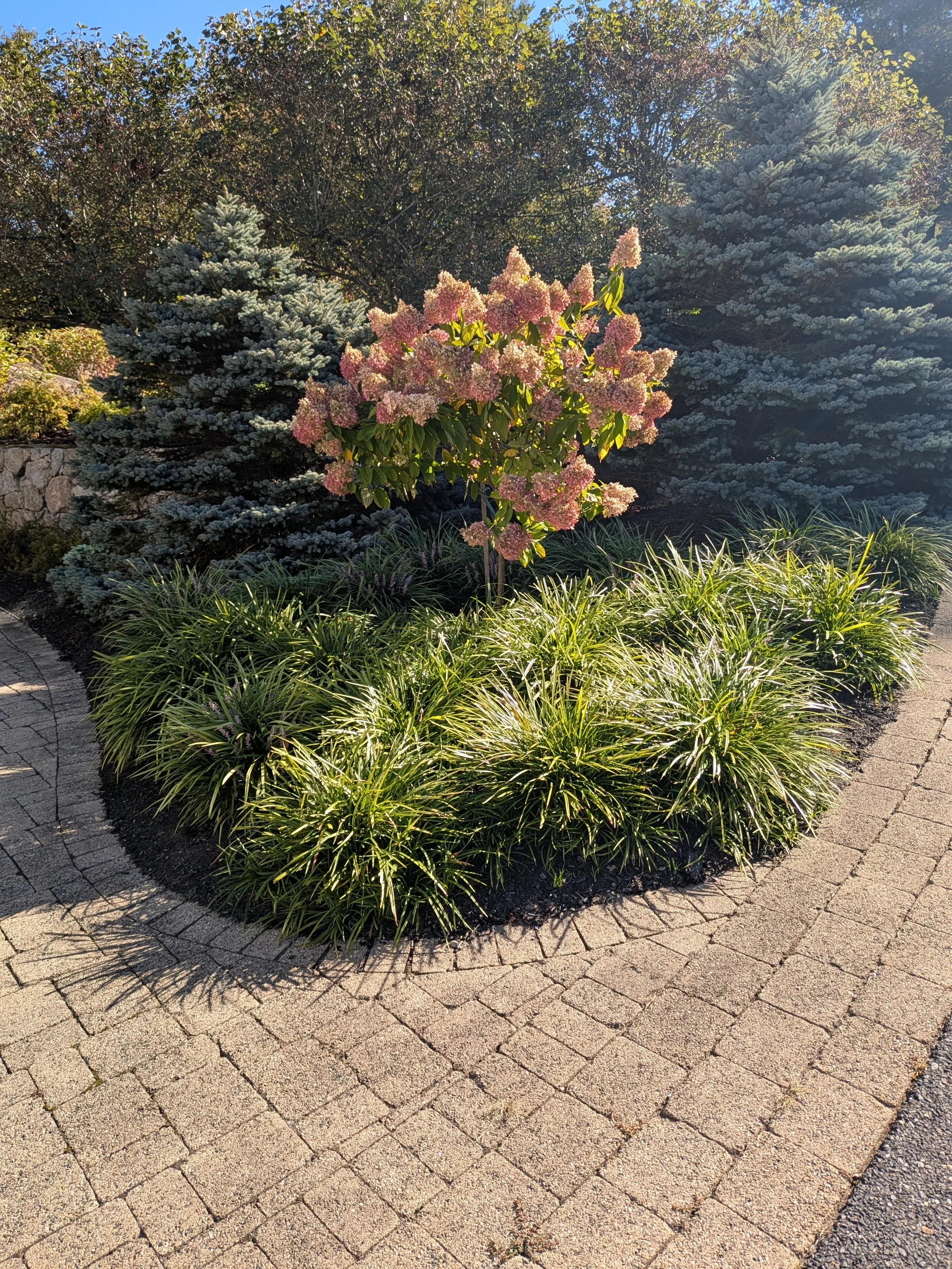
Tree-Form Hydrangeas: Standing Tall in Winter
We’ve fallen especially in love with the tree-form hydrangeas we’ve been planting this year. Their sculptural shape and large, cloud-like flowers bring vertical interest and elegance to any landscape design. Even as their leaves drop in late fall, their dried blooms and strong branching structure continue to add winter interest, especially when accented by snow or subtle lighting.
The Perfect Plant for Every Season
Hydrangeas embody everything we love about seasonal landscaping—beauty, resilience, and variety. With proper care and placement, they’ll reward you year after year with reliable color and structure. Whether you’re looking to add a single statement shrub or redesign an entire garden bed, hydrangeas offer endless design potential.
At Ahronian Landscaping & Design, we specialize in helping homeowners choose the perfect plants for their property. From compact hydrangeas that brighten small spaces to graceful tree-form specimens that anchor a landscape, we’ll make sure your garden blooms beautifully for years to come.